
Large area, still a lot of room for growth
Ca Mau has the largest shrimp farming area in the country with more than 45,000 hectares, accounting for about 40% of Vietnam's total shrimp farming area. Each year, shrimp farming output reaches over 570,000 tons, export turnover is about 2.5 billion USD, contributing nearly 80% of the province's agricultural production value.
Not only playing the leading role of Vietnam's shrimp industry, Ca Mau has also built many unique production models such as shrimp - forest, shrimp - rice, improved extensive farming and super-intensive farming applying high technology. Ca Mau shrimp is currently present in more than 90 countries and territories, including many demanding markets such as the United States, the European Union, Japan, South Korea and Australia...
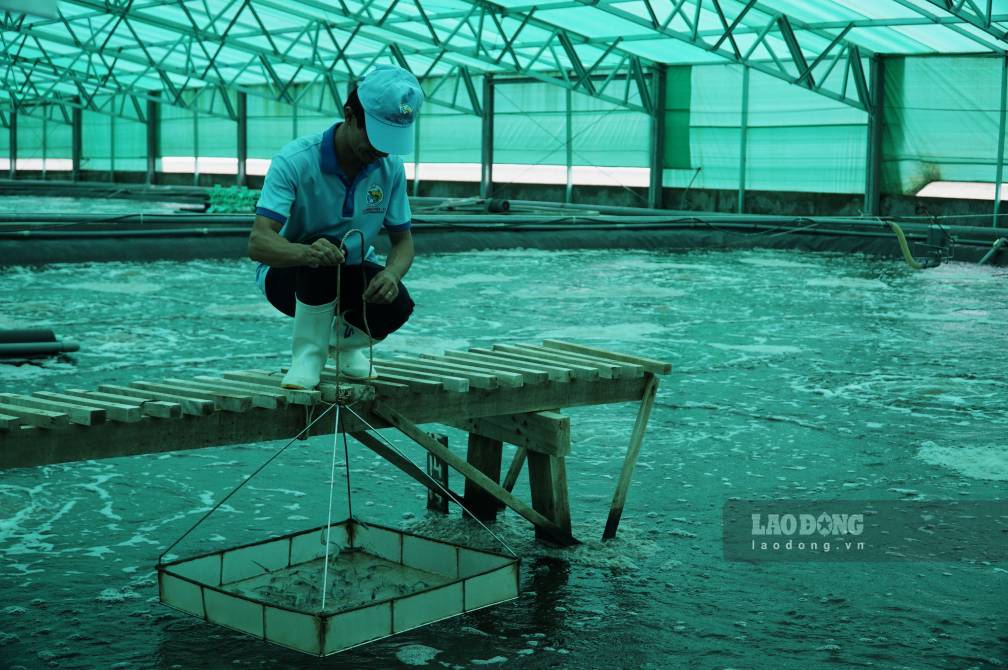
However, behind the growth figures is the requirement to improve production efficiency per hectare of farming. Currently, more than 380,000 hectares of improved extensive farming still account for a large proportion in the province's production structure. This is a model suitable for ecological conditions, with little impact on the environment but low yield, heavily dependent on natural water sources.
Mr. Nguyen Van Tam, a large-scale shrimp farmer in Dam Doi commune, said that for many years his family's shrimp yield has not fluctuated much.
What farmers want most is to be proactive in water sources. When the weather changes or the water environment fluctuates, the yield immediately decreases. Wanting to increase productivity, but it also depends a lot on natural conditions," Mr. Tam shared.
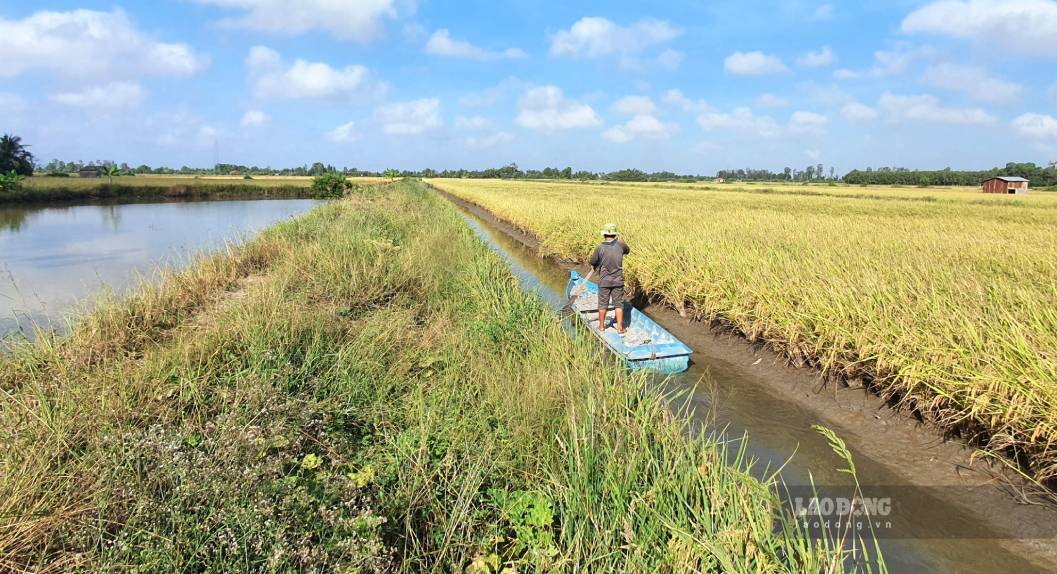
Meanwhile, Ms. Tran Thi Hong, a shrimp - rice farmer in Thoi Binh commune, said that the combined model helps reduce production costs and stabilize income. "Rice - shrimp farming, although the shrimp output is not as high as improved extensive farming, is less risky. The soil is improved after each rice crop, so the farming environment is also more stable," Ms. Hong said.
According to statistics, the rice-shrimp model currently brings in an income of about 60-70 million VND/ha/year. For improved extensive farming, profits range from 80-250 million VND per year depending on the scale and production technique, while super intensive farming can achieve a yield of 35-50 tons/ha/crop if invested methodically.
Investing in infrastructure to improve the competitiveness of the shrimp industry
According to the Department of Agriculture and Environment of Ca Mau province, the locality is orienting the development of the shrimp industry towards green, high technology and international integration. The focus is on forming large-scale concentrated farming areas, synchronous in terms of electricity, irrigation, transportation, water supply - drainage system and environmental treatment.
Mr. Le Minh Phuc, representative of a shrimp farming cooperative in Ngoc Hien district, said that infrastructure is a decisive factor for people to boldly invest.
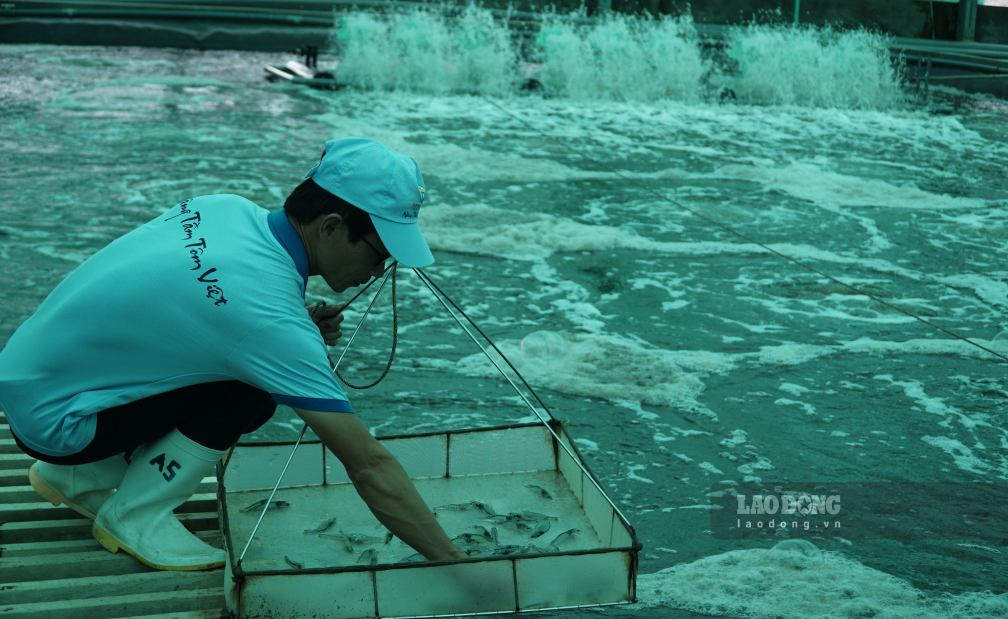
When the irrigation system is invested synchronously, farmers will be more proactive in supplying and draining water, reducing the risk of epidemics and gradually applying farming procedures according to international standards," Mr. Phuc assessed.
From the perspective of a processing enterprise, Mr. Le Van Luu, an exporter of seafood in Ca Mau, said that import markets are increasingly demanding high levels of traceability, environment and emissions. "If the farming area is organized according to a linked chain, has international certification and stable output, businesses will have more advantages in signing long-term orders and increasing export value," Mr. Luu said.
According to the province's orientation, by 2030, Ca Mau will maintain about 380,000 hectares of improved extensive farming, develop 37,500 hectares of intensive and super-intensive farming, of which 15,500 hectares apply high technology. At the same time, strive to have at least 45,000 hectares of shrimp farming achieving international certifications such as ASC, BAP, GlobalGAP and Organic.
Leaders of Ca Mau Provincial People's Committee determined that the shrimp industry continues to be a key economic sector, playing an important role in economic growth and exports of the locality. In the coming time, the province will focus on reorganizing production according to the value chain, promoting the application of science and technology, developing ecological shrimp farming models, investing in infrastructure to serve production and building the "Ca Mau Shrimp" brand associated with quality and sustainable development.
With advantages in area, production experience and processing system, Ca Mau still has a lot of room to improve the value of the shrimp industry. When production infrastructure is synchronously invested, technology is widely applied and the linkage chain is strengthened, the province's key industry will have more conditions to improve its competitiveness in the international market, while creating a more stable source of income for shrimp farmers.


