
High gasoline and oil prices are creating great pressure on transport businesses. In Lam Dong province, passenger transport companies running the Phan Thiet - Ho Chi Minh City fixed route not only bear increased costs due to gasoline and oil prices but also additional road fees when the Phan Thiet - Dau Giay expressway collects tolls from the beginning of March 2026.
According to records at bus companies, although input costs have increased significantly, many passenger transport businesses have not yet adjusted ticket prices. Bus companies said that keeping ticket prices unchanged is to ensure the rights of passengers.

However, to compensate for incurred costs, some businesses are forced to implement many cost-saving solutions. Among them, the most common is to cut transit services, reduce the frequency of trips or combine trips to limit the number of vehicles operating when the number of passengers is unstable.
A representative of a passenger transport business said that ticket price increases cannot be implemented immediately but must comply with regulations. Therefore, in the short term, businesses still try to maintain operations by optimizing operating costs.
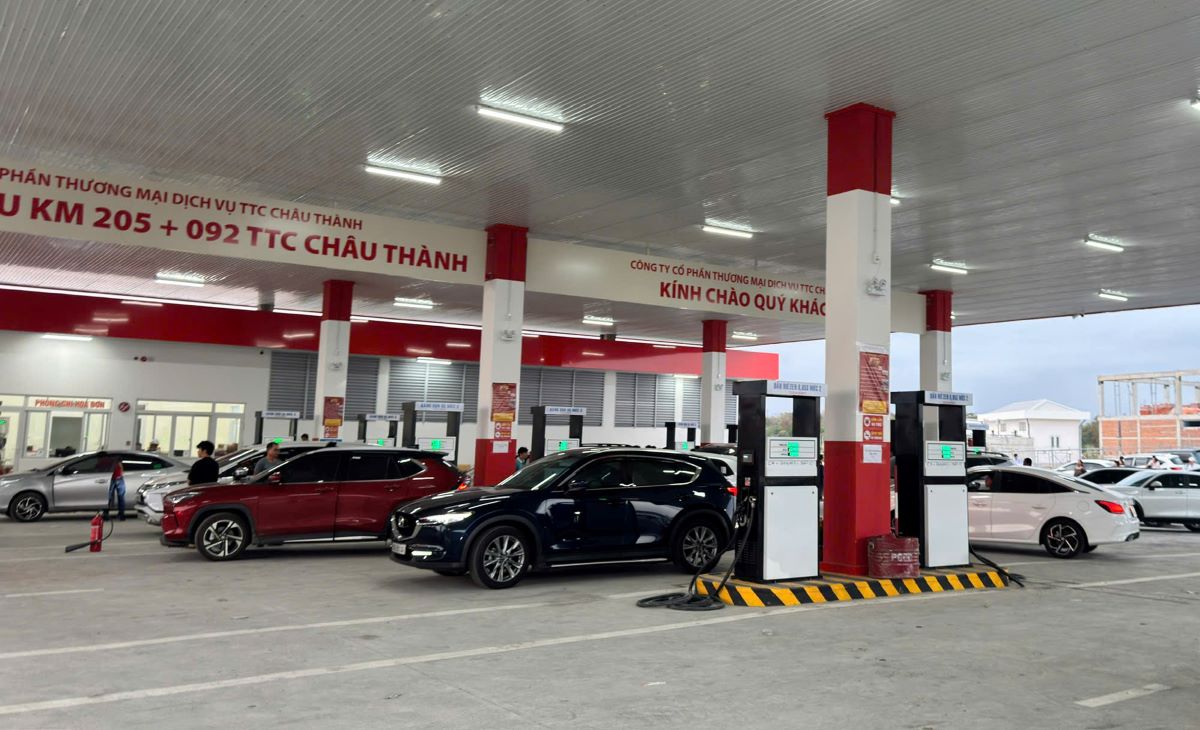
According to Mr. Nguyen Thanh Long - Deputy Director of Lam Dong Provincial Department of Construction, for fixed passenger car routes that have listed fares, businesses that want to adjust prices must develop specific plans and send them to the Department of Construction for functional agencies to consider and approve before implementation.
Not only the passenger transport sector, freight transport activities are also strongly affected by fluctuations in fuel prices and road tolls.
Mr. Mai Ky Thang - owner of a car company specializing in transporting goods on the Phan Thiet - Ho Chi Minh City route - said that right from the beginning of March 2026, when the Phan Thiet - Dau Giay expressway started to collect tolls, each truck of the unit incurred an additional cost of nearly 1 million VND for a trip.
According to Mr. Thang, increased costs have significantly reduced the profit of each cargo trip, even some trips have decreased by nearly half compared to before. Meanwhile, the amount of goods is not always enough for the car to run at full capacity.
Mr. Thang added that with previous slight fuel price increases, businesses often try to hold on or adjust freight rates gradually to retain customers. However, the recent price increase is considered quite sudden.
In previous increases, when fuel prices increased slightly, I adjusted freight rates gradually or tried to hold back to keep partners through the difficult period. But this time, fuel prices suddenly increased by more than 7,000 VND/liter, which must be immediately included in the freight fee increase," Mr. Thang said.
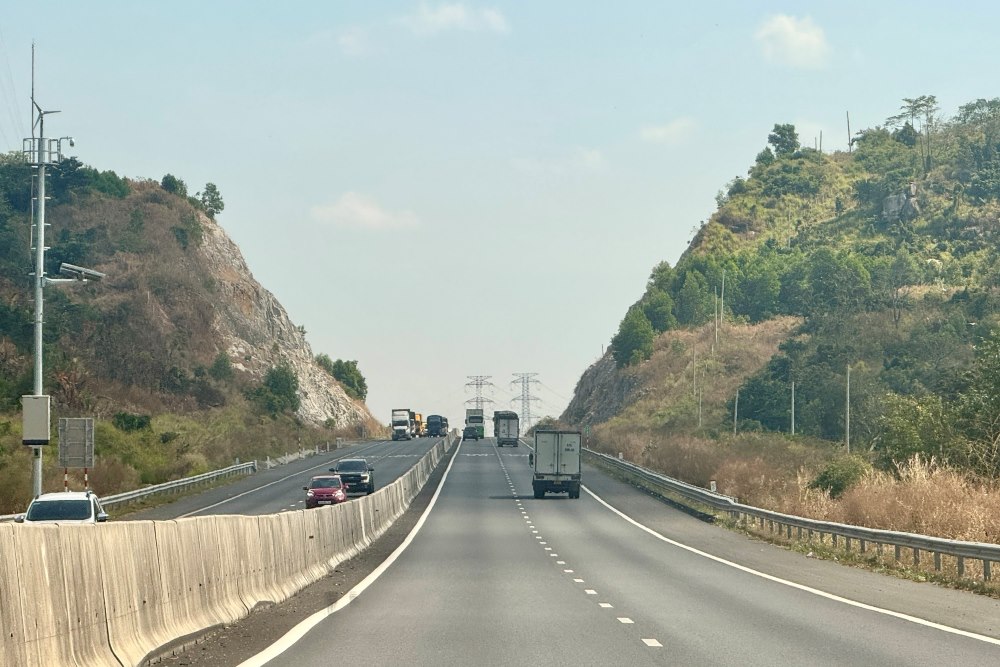
In the context of continuously increasing input costs, transportation businesses are having to calculate very carefully to balance between maintaining operations and maintaining stable service prices. If prices increase too high, customers may be lost, but keeping prices for too long also puts businesses at risk of prolonged losses.
Transport units said that they are still closely monitoring the developments of gasoline and oil prices in the coming days to assess market trends, thereby proposing appropriate adjustment plans. If costs continue to increase, adjusting fares or freight rates is considered unavoidable.


