
The door to the big market continues to open wide
According to MSc Nguyen Phuoc Tuyen - former Director of Dong Thap Agricultural Extension Center, many domestic and foreign analyses show that although global agricultural trade is facing many fluctuations, China is still a large-scale market with stable demand for rice. Forecasts by the US Department of Agriculture (USDA) show that in the 2025-2026 crop year, China may import about 3 million tons of rice. Previously, in just 11 months of 2025, this country imported 2.74 million tons, an increase of 119% compared to the same period - a very high growth rate, reflecting a clear trend of import increase.
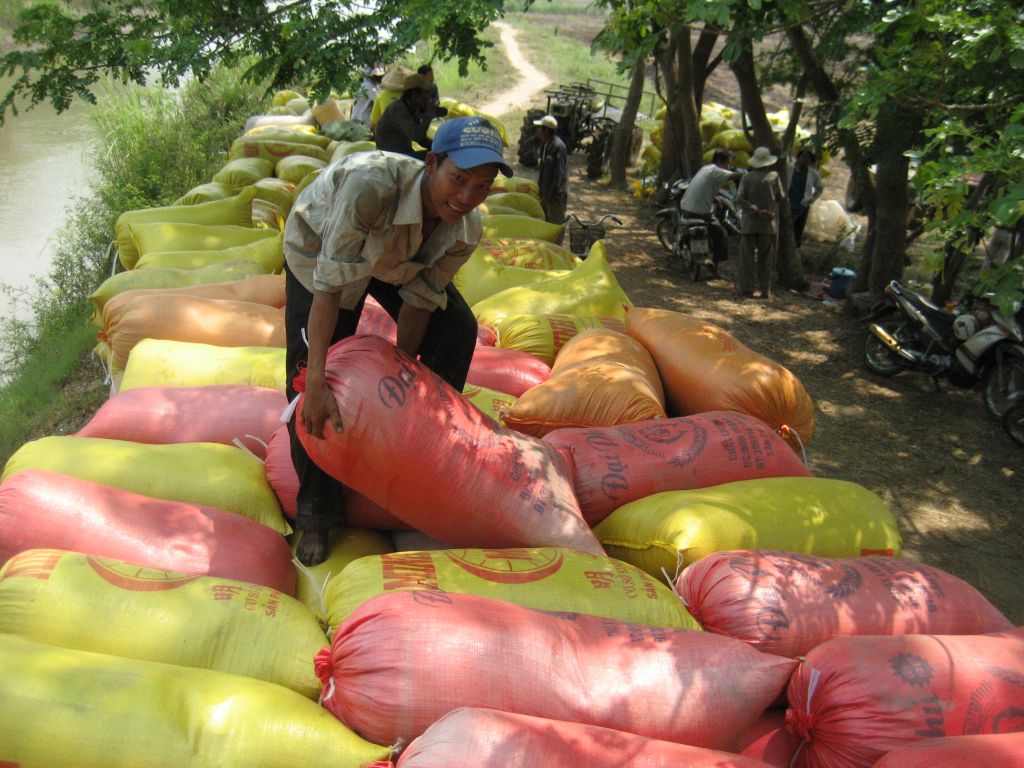
According to the Information and Service Center for Agriculture and Environment (ISPAE), export turnover to China increased sharply. Specifically, fragrant rice reached 19.8 million USD, double compared to the previous month and 7.3 times higher than the same period in 2025. White rice reached 13.2 million USD, up 193% compared to the previous month and more than 4 times higher than the same period. Sticky rice reached 16.4 million USD, up 37% compared to the previous month and 2.4 times higher than the same period.
Increasing competitive pressure
However, opportunities always come with challenges. The Chinese market, although growing, has also become a more fiercely competitive "playground". Besides traditional rivals such as Myanmar and Thailand, many countries such as India, Pakistan and Cambodia are increasing their presence, creating great pressure on market share. Not only price competition, but also a race for quality and technical standards.
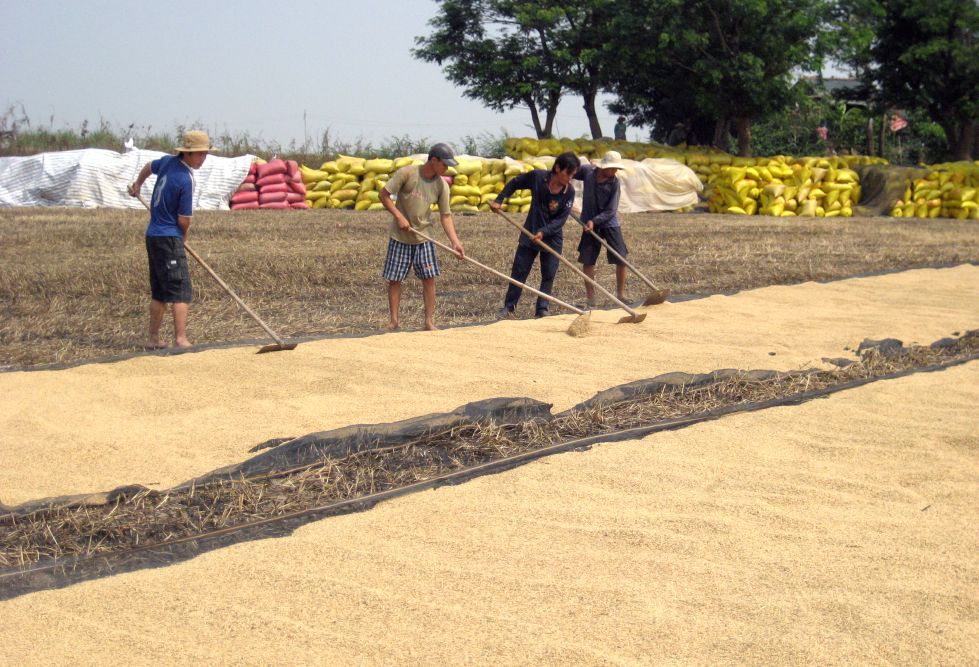
According to ISPAE, China is strengthening control over imported agricultural products, requiring goods to have complete registration and confirmation dossiers, and strictly meet the criteria for traceability and food safety. Therefore, the traditional advantages of Vietnamese rice such as competitive prices and suitable product structure are gradually being narrowed. "This forces businesses to standardize production processes, complete legal documents and ensure information transparency" - MSc Tuyen shared. If not met, goods may be prolonged in customs clearance time, incur costs, and even affect quality when reaching consumers.
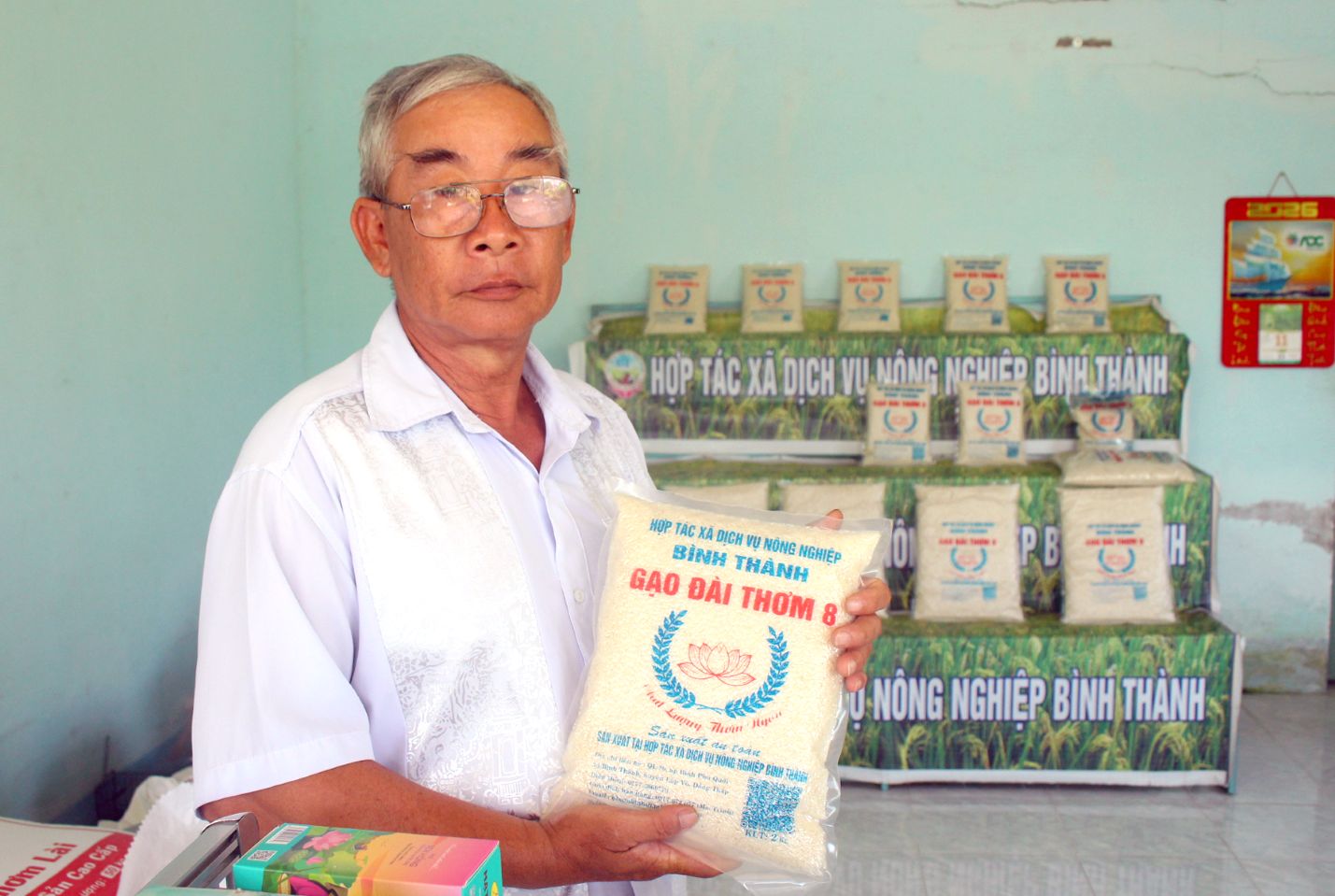
In the current context, China is still an important market to heat up rice prices in the Mekong Delta region which are trending downwards. Therefore, investing in exploiting and expanding the road to this market is of great significance to Vietnam's rice industry. To move towards sustainable development, minimizing dependence risks..., in addition to maintaining traditional market share, Vietnam's rice industry needs to aim to open the door to the global market. According to experts, to achieve this goal, it is necessary to start from promoting deep processing, building rice brands, and meeting international standards that are increasingly demanding.


