
Faced with the extremely unusual natural disaster situation in 2025, meteorologists have analyzed and forecast the climate trend in 2026.
According to Dr. Truong Ba Kien, Deputy Director of the Center for Climate and Weather Research - Institute of Meteorology, Hydrology, Environment and Marine Science, major forecasting agencies around the world all predict that from now until about March, ENSO tends to shift from La Nina to a neutral state, with a probability of about 65 - 70%. However, even if it shifts to neutrality, this state still leans towards the cold phase. Therefore, the weather in the first half of 2026 in our country is still affected by the cold phase.
Mr. Mai Van Khiem - Director of the National Center for Hydro-Meteorological Forecasting, Department of Hydro-Meteorological Forecasting assessed that in 2026, the atmosphere - ocean system may undergo many phase transition states. By the middle of the year, the weather may be affected by the neutral ENSO state and by the end of the year, the possibility of being affected by the El Nino hot phase.
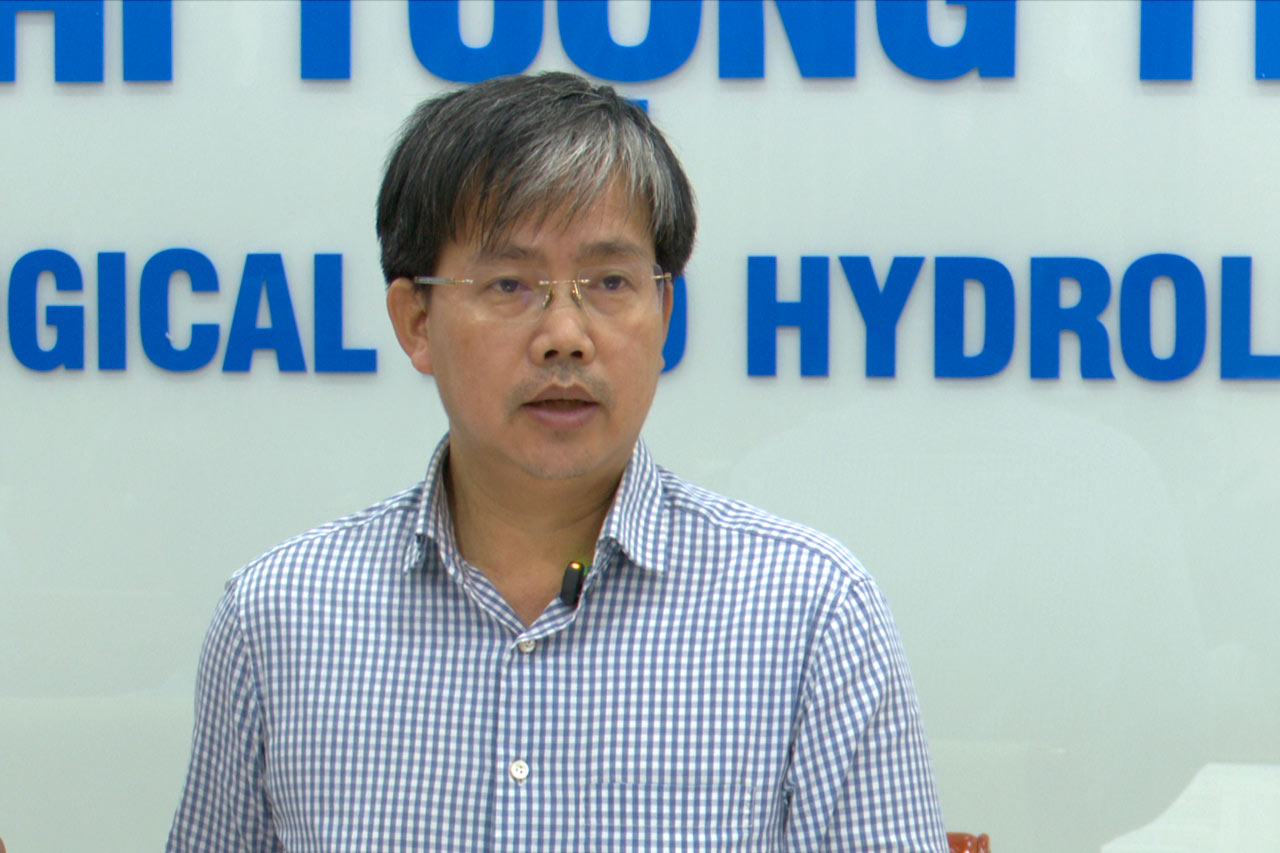
With the continuous phase transition nature of such a large-scale ENSO phenomenon, the atmosphere - ocean conditions will be in an unstable state. This may be the cause of extreme weather and climate phenomena such as strong storms, heavy rainfall... appearing in 2026" - Mr. Khiem said.
Forecasting for the 2026 storm season, according to Mr. Truong Ba Kien, it is still too early to assess the number of storms in 2026 compared to 2025.
However, statistically, in the years of transition from La Nina to Neutrality, the number of storms is usually approximately the multi-year average. On average, the East Sea has about 12 - 13 storms and tropical depressions. The possibility of the number of storms in 2026 breaking the record as in 2025 is very low, but cannot be completely ruled out, due to the impact of climate change" - Mr. Kien assessed.
Regarding the nature and trend of natural disasters, Mr. Mai Van Khiem said that currently, the impacts and consequences of climate change have been clearly seen, making weather and climate increasingly extreme, unstable and abnormal.
We cannot be sure when extreme weather events will occur, but what can be almost confirmed is that the frequency, intensity and extreme level of bad weather phenomena will continue to increase in the future, not just in 2026.
Therefore, closely monitoring weather developments and regularly updating forecast bulletins, especially short-term forecasts, is extremely necessary to proactively respond" - Mr. Khiem recommended.
Previously, in 2025, 21 storms and tropical depressions (15 storms, 6 tropical depressions) were recorded operating in the East Sea, becoming the year with the largest number of storms and tropical depressions ever recorded, higher than the previous record in 2017 with 20 storms.
Not only setting a record in quantity, the 2025 storm season also has many very unusual and extreme characteristics. Storm No. 9 Ragasa reached a strong intensity of level 17, gusting above level 17, becoming the strongest storm ever recorded in the East Sea region.
Besides storms, in 2025, serious flooding occurred on a large scale. The peak flood water level on many rivers has exceeded historical milestones in the North, Central, Central Highlands and Mekong Delta.
Particularly serious is the historic flood in eastern Dak Lak province, which is assessed to have overcome the historical flood peak of 1993 in the Ba River basin.


