
Crying and squeezing are a normal trend for every child
At the newborn stage, the most common syndrome is crying and hives. The child cried and cried for a long time, it seemed like there was no way to reassure him, no matter what you did. The child cried for hours every day, usually at night.
Currently, hives often start about 2 weeks after birth and then the baby cries more often. The baby cries most at the 2-month age stage and then begins to gradually decrease. The steep edge also follows the same trend as the waist but the force is much stronger. Menstrual cramps are difficult to handle.
You may feel helpless, hopeless and extremely tired, but remind yourself that crying at night is a normal phenomenon and does not last forever.
If you are afraid that you may cause your baby pain in anger, leave it in a safe place like in your crib, away from it for a few minutes until you calm down and control yourself.
In particular, parents should not blame themselves or their children. The cause of the baby crying on the stomach is not due to what the parents do and is not the baby's fault.
Through the newborn stage, the baby will still cry often. Cries are a way for your baby to express that he or she needs something such as: Smoking; fear; pain; cold; the surrounding environment has too much noise or the baby is too excited,...
At that time, holding the baby up will not "spoil" the baby. You should come to your baby, don't let it get annoyed too long because at that time the baby won't be able to calm down.
To soothe a crying baby, try these methods: Breastfeed; hug the baby in a position of pinning the baby into your shoulder; hug the baby around; carry the baby; talk to the baby; sing to the baby.
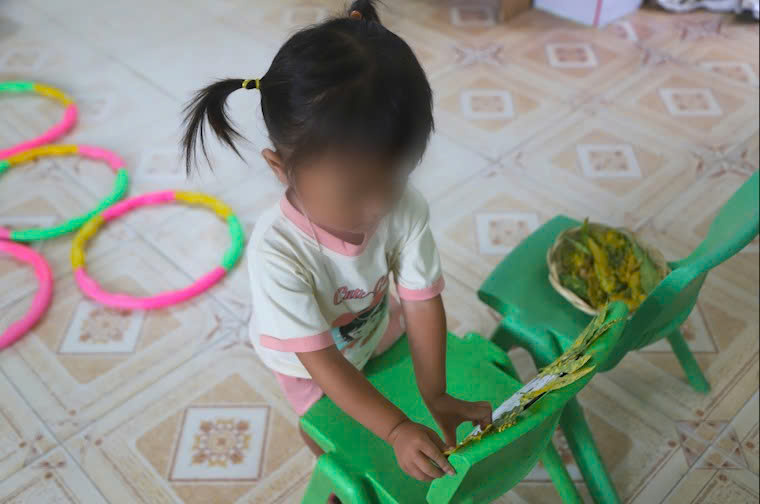
In addition to crying, when around 18 months old, children start to be active and talk more, begin to show off their slander, expressed through punching, screaming, rolling or breaking something when angry or not getting what they want.
To avoid child's cravings, you should try to find out why your baby cravings and solve problems that make them feel frustrated. Along with that, parents should give their children more time to play and play, helping them express their emotions.
This helps the child feel understood and less frustrated. If you see signs of an appetite in your child, change your activities and do something calmer. Try to prevent bowel movements before they start
For example, you can say to your child: Mother/father sees that your child is being upset. Mom/ Dad couldn't know what they wanted when they kept screaming like that. If you can tell your father/mother what you want, he/she may be able to do something for you.
You need to stay calm, speak to your child in a gentle and calm voice, keep him safe, don't let him hurt himself or others. In particular, you need to stay calm until the baby calms down, do not give him what he wants or try not to explain to him when he is in labor, let the labor calm down.
After going through the attack, give your baby time to calm down by helping him call your name, showing that you are willing to help him, hug him and say a few words to reassure him.
Signs that your baby is developing healthily in the first 3 years of life
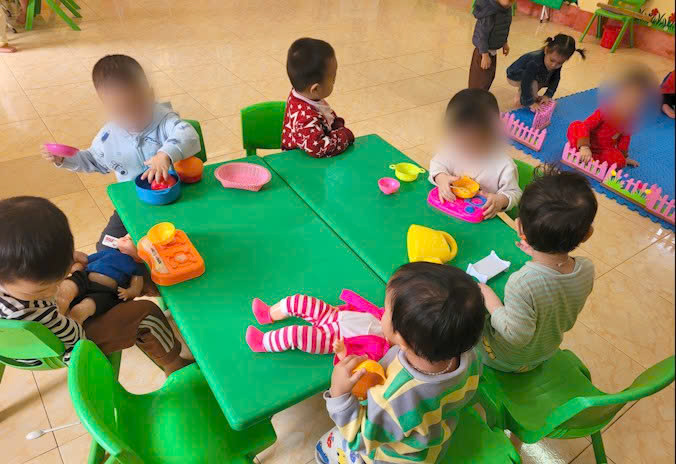
In the first 3 years of a child's life, the issue that parents are particularly concerned about is the physical development of young children such as height and weight.
When children are healthy, their bodies will grow, they will gain weight and develop height evenly; children will be stronger, and will be able to recognize and react better to the surrounding environment.
A healthy child will start from a newborn baby, then grow up very quickly, become stronger and can do more activities. It should be noted that no child is like another child. The physical and mental development of two children of the same age and gender can be very different.
To help children stay healthy, parents need to remember 2 stages: Before giving birth and after giving birth.
Prenatal period, adequate nutritional diet, regular pregnancy check-ups at least 3 times and avoid stress are what experts advise parents.
In the postpartum stage, the baby will grow and develop. During this period, children learn a lot by observing what their parents do. During development, children will learn by observing and imitating the things adults do. Be a good example to help children stay healthy.
If you brush your teeth, children will also brush their teeth. If you eat healthy foods such as green vegetables, carrots, pumpkin, meat, fish, eggs, vegetables and nuts, children will also eat this food. If you wash your hands before eating, your child will do the same. If you go to bed early and on time, children will also develop this habit experts recommend.
These are all contents in the Behavior book and the Health book - included in the book series "Khong ai Hoan Hao" compiled by authors from UNICEF Vietnam, the Ministry of Labor, War Invalids and Social Affairs (old) and the Public Health Agency of Canada.
In addition, parents can also refer to the book Intelligence in the book series No One is at All to be able to comprehensively raise their children for comprehensive development.


