
Cựu Giám đốc Tổ chức Y tế Thế giới (WHO) Gro Harlem Brundtland cảnh báo về mối đe dọa bùng phát dịch bệnh giống như cúm có thể gây tử vong hàng chục triệu người.
Một thế kỷ trước, đại dịch cúm Tây Ban Nha đã ảnh hưởng đến 1/3 dân số thế giới và giết chết 50 triệu người. Nếu một đợt bùng phát tương tự xuất hiện bây giờ, hậu quả có thể tồi tệ hơn rất nhiều - báo cáo của Ủy ban giám sát sẵn sàng toàn cầu (GPMB) cho biết.
"Mối đe dọa của một đại dịch lan rộng trên toàn cầu là có thật. Một mầm bệnh lây lan nhanh có khả năng giết chết hàng chục triệu người, phá vỡ các nền kinh tế và gây bất ổn an ninh quốc gia" - báo cáo của GPMB - ủy ban gồm các chuyên gia y tế do bác sĩ Gro Harlem Brundtland - cựu Thủ tướng Na Uy và cựu tổng giám đốc WHO và Tổng thư ký Phong trào Chữ thập đỏ và Trăng lưỡi liềm đỏ quốc tế Alhadj As Sy đứng đầu, cho biết hôm 17.9.
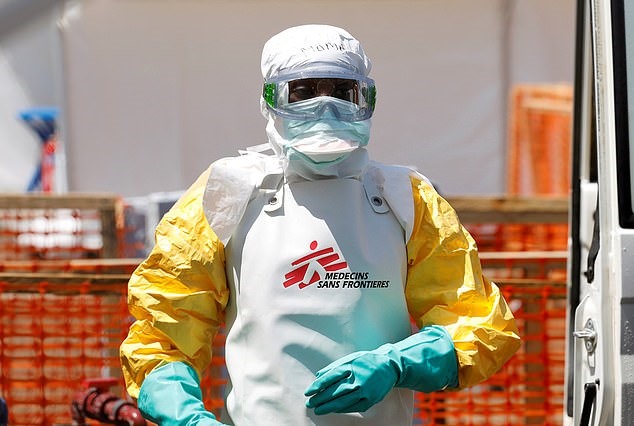
Báo cáo có tên "A World At Risk" (Thế giới đang lâm nguy) cho rằng những nỗ lực hiện tại để chuẩn bị cho những đợt bùng phát sau những cuộc khủng hoảng như Ebola là "không đủ mạnh".
Báo cáo cho biết, những khuyến nghị mà GPMB đưa ra trong một báo cáo trước đó gần như đã bị các nhà lãnh đạo thế giới bỏ qua.
"Nhiều khuyến nghị không được xem xét thực hiện, thực hiện kém hoặc hoàn toàn không thực hiện, các lỗ hỏng nghiêm trọng vẫn tồn tại" - tờ Daily Mail dẫn báo cáo của GPMB cho hay.
Báo cáo đính kèm một bản đồ với danh sách những bệnh có thể bùng phát thành đại dịch trên toàn thế giới. Chúng được phân chia thành "mới nổi", "tái phát" và "hồi sinh".
Trong số những dịch bệnh cũ có virus Ebola, Zika, Nipah và 5 loại cúm. Sau này có virus tây sông Nile, kháng kháng sinh, sởi, viêm tủy sống liệt mềm cấp tính, sốt vàng da, dịch hạch và thủy đậu.
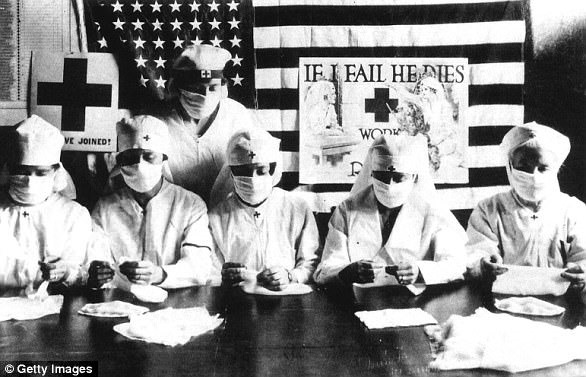
Báo cáo đề cập đến thiệt hại do đại dịch cúm Tây Ban Nha năm 1918 gây ra và cho biết những tiến bộ hiện đại trong việc đi lại ngày nay khiến những căn bệnh lây lan nhanh hơn.
"Với số lượng lớn người di chuyển bằng máy bay trên khắp thế giới mỗi ngày, một đợt bùng phát dịch bệnh tương tự có thể lây lan trên toàn cầu trong vòng chưa đến 36 giờ và giết chết từ 50-80 triệu người" - báo cáo viết.
Báo cáo đề ra một loạt hành động mà cộng đồng quốc tế phải thực hiện để bảo vệ người dân trên khắp thế giới trong trường hợp bệnh dịch vượt khỏi tầm kiểm soát.
Tổng giám đốc WHO Tedros Adhanom Ghebreyesus kêu gọi các chính phủ chú ý đến những bài học của các đợt bùng phát dịch và đừng để "mất bò mới lo làm chuồng".
Trong các khuyến nghị, nhóm nghiên cứu cho biết các chính phủ phải bỏ tiền ra để chuẩn bị tại chỗ và thực hiện các bài tập mô phỏng thường xuyên.
Nhóm nghiên cứu cũng kêu gọi đầu tư tư nhân nhiều hơn vào việc ứng phó với đại dịch và Liên Hợp Quốc phải làm nhiều hơn để phối hợp các phản ứng xuyên biên giới.
Hồi đầu năm nay, WHO đã cảnh báo rằng một đại dịch cúm khác - do virus lây lan trong không khí - là không thể tránh khỏi, và thế giới nên chuẩn bị cho nó.


