
Arterial obstruction, also known as atherosclerosis, is often seen as an issue that only occurs in the elderly or people with cardiovascular disease. However, reality shows that even people who are assessed as healthy and have no obvious symptoms are still at risk of experiencing this condition.
Dr. Sanjay Bhat, senior counselor on interventional cardiovascular disease at Aster CMI Hospital (Bangalore, India) said: "Platforms in the arteries can accumulate very slowly and silently. Fat, cholesterol, calcium and prolonged inflammatory reactions can damage the artery wall over time without the patient knowing.
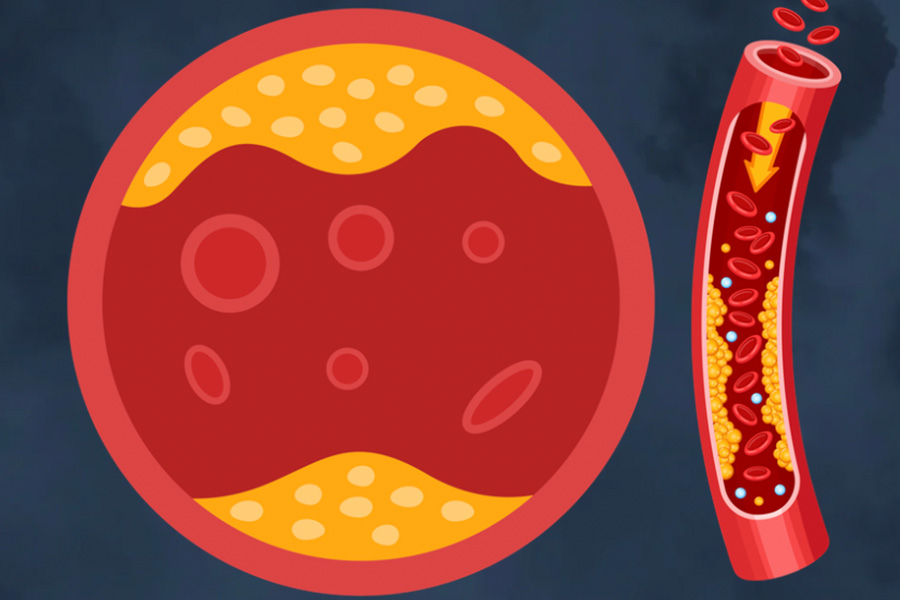
One of the main reasons is potential risk factors. Even when eating healthy and exercising regularly, some people still have high LDL cholesterol due to genetic factors. Family history of cardiovascular disease, prolonged stress, lack of sleep, air pollution, exposure to passive cigarette smoke or chronic inflammation can all promote the formation of atherosclerosis plaques.
Dr. Bhat emphasized that atherosclerosis is not a sudden problem. Studies show that fat streaks, the earliest signs of atherosclerosis, may appear from adolescence. This process progresses silently over decades and only manifests clearly when the arteries are significantly narrowed, usually in the age of 40-50.
In the early stages, most patients do not have symptoms. When blood flow decreases more, signs such as pain or chest tightness during exertion, shortness of breath, abnormal fatigue, pain spreading to the neck, jaw, shoulders or hands begin to appear. An artery blockage in the leg can cause cramps when walking, while symptoms such as dizziness, nausea or sudden sweating should not be taken lightly.
To prevent it, experts believe that maintaining a healthy lifestyle still plays a key role. A diet rich in green vegetables, fruits, whole grains, nuts, and good fats helps control bad cholesterol. Conversely, fried foods, processed meat, fast food, sugary drinks, and saturated fats can promote inflammation and worsen blood vessel conditions.
Regular physical activity, such as walking fast for 30 minutes a day, helps improve blood circulation, reduce inflammation and increase beneficial HDL cholesterol. Exercise cannot completely remove large plaque, but can slow down the progression and stabilization of atherosclerosis plaque, thereby reducing the risk of cardiovascular events.
In addition, regular health checks play an important role. Tests such as coronary CT scans to measure calcification points, endurance tests, cardiac ultrasound or coronary angiography help detect risks early even when there are no symptoms.
Finally, arterial obstruction is not only a problem for patients or the elderly. Proactive screening and maintaining healthy habits early is the key to protecting the cardiovascular system for a long time.
The information in the article is for reference only, not for medical diagnosis or treatment. You should talk directly with your doctor for accurate and appropriate advice to your health condition.


