
Trong Công ước Khung về kiểm soát thuốc lá (FCTC) thuộc Tổ chức Y tế Thế giới (WHO) cũng như quyết định của Cục Quản lý Thực phẩm và Dược phẩm Hoa Kỳ (FDA), thuốc lá làm nóng (thuốc lá nung nóng) được phân loại là sản phẩm thuốc lá.
Quản lý để tránh thiệt hại kép
Mặc dù nhà nước luôn nỗ lực trong việc phòng chống buôn lậu thuốc lá, nhưng do lợi nhuận của hoạt động mua bán bất hợp pháp quá “hấp dẫn”, tình trạng này vẫn không có dấu hiệu giảm nhiệt, kể cả giai đoạn dịch bệnh như hiện nay.
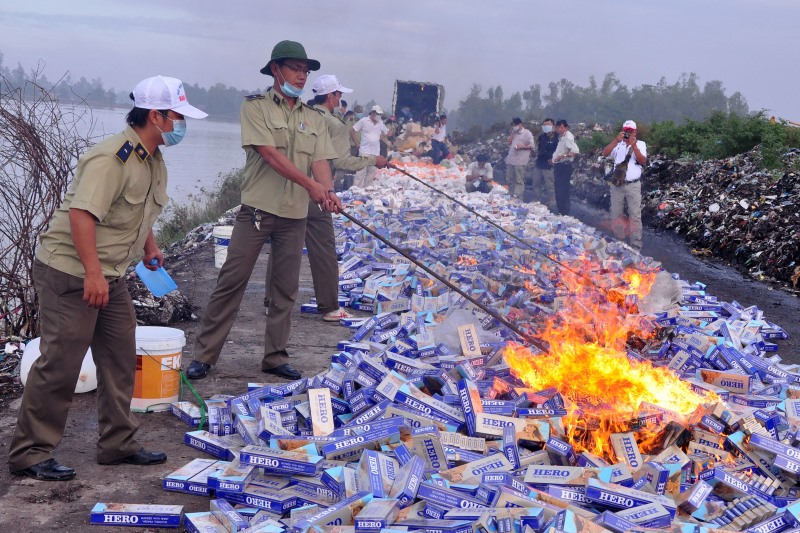
Không chỉ gây thất thoát thuế, buôn lậu thuốc lá còn tạo thêm gánh nặng lên các cơ quan chức năng trong việc tổ chức nhân lực xử lý vi phạm, chi phí tiêu huỷ hàng phi pháp. Riêng với thuốc lá không khói, luật chưa quy định rõ việc xử phạt khiến các chức năng lúng túng; đối tượng buôn lậu ngày càng trở nên “nhờn” khi bị bắt.
Do vậy, có thể hiểu tại sao từ 2017 đến nay, Chính phủ đã 3 lần yêu cầu các các cơ quan liên ngành khẩn trương nghiên cứu biện pháp quản lý các sản phẩm thuốc lá không khói trong đó có thuốc lá làm nóng .
Đại diện một số ban ngành cũng nhiều lần lên tiếng cần quản lý sớm các sản phẩm này; riêng với thuốc lá làm nóng, bản chất đã là sản phẩm thuốc lá, thì không có lý do gì để trì hoãn việc quản lý, tạo điều kiện cho các tổ chức tội phạm ung dung trục lợi như vậy.
Việc “buộc” thuốc lá làm nóng vào Luật Phòng, chống tác hại thuốc lá sẽ giúp quốc gia tránh được tình trạng thiệt hại kép nêu trên, nhất là trong bối cảnh đất nước đang chịu tổn hại kinh tế do dịch bệnh kéo dài 2 năm nay.
Không dừng ở đó, sự quản lý của Luật Phòng, chống tác hại thuốc lá áp dụng cho thuốc lá làm nóng sẽ còn là cơ sở để xây dựng khung pháp lý, quy định xử phạt nghiêm minh các tội phạm buôn lậu nhằm tránh tình trạng hàng lậu kém chất lượng, thậm chí trá hình tấn công vào học đường.
Viện Chiến lược chính sách Y tế tại Hà Nội vừa công bố có tới 5,2% thanh thiếu niên chưa hút thuốc bao giờ nhưng lại hút thuốc lá điện tử. Mặc dù hiện chưa ghi nhận được số liệu tác động đến giới trẻ của các sản phẩm thuốc lá làm nóng nhập lậu nhưng thiết nghĩ thuốc lá làm nóng đã nằm dưới luật, cơ quan chức năng cần hành động sớm để tránh tình trạng “mất bò mới lo làm chuồng”.
Ngăn chặn giới trẻ sử dụng: Tuyên truyền chỉ là một phần
Hiện trong 66 thị trường đã chính thức thương mại hóa thuốc lá làm nóng, có đến khoảng 2/3 quốc gia nằm trong Công ước Khung FCTC thuộc WHO. Ở các quốc gia này, trách nhiệm ngăn chặn giới trẻ sử dụng thuốc lá làm nóng không chỉ thuộc về chính phủ, mà còn là sự phối hợp với các tổ chức y tế công cộng và cả các công ty thuốc lá. Các chính phủ này áp dụng khung quản lý kiểm soát những sản phẩm thuốc lá đã phù hợp luật định, đi cùng với chính sách tuyên truyền tác hại của tất cả các loại thuốc lá nói chung và khuyến khích cai thuốc trong cộng đồng.
Phía các công ty thuốc lá thực thi nghiêm túc các giải pháp, nguyên tắc thực hành nhằm kiểm soát tác động đến giới trẻ, tuân thủ các quy định chính phủ đề ra, và phối hợp tăng cường kiểm soát buôn lậu. Tại các thị trường nêu trên, người mua phải khai báo và xác minh độ tuổi bằng các giấy tờ tùy thân khi mua hàng (cả trực tuyến và trực tiếp), nhận hàng, truy cập vào trang web sản phẩm và tương tác trực tiếp tại các điểm bán. Chỉ những người thỏa điều kiện về độ tuổi mới được cung cấp thông tin sản phẩm.
Địa điểm bán hàng của các sản phẩm thuốc lá làm nóng phải đặt cách xa khu vực trường học và những địa điểm bắt buộc khác trong bán kính tối thiểu 100m tính từ ranh giới khuôn viên gần nhất của cơ sở đó.
Theo các chuyên gia, khi phương pháp này được áp dụng triệt để, tỷ lệ giới trẻ tiếp cận đối với thuốc lá làm nóng gần như nằm trong tầm kiểm soát.
Một nghiên cứu năm 2018 của Nhật Bản, nước đã thương mại hoá thuốc lá làm nóng hơn 5 năm, cho thấy chỉ có 0,1% học sinh trung học cơ sở và trung học phổ thông sử dụng sản phẩm thuốc lá làm nóng. Nhưng nhóm học sinh này cũng đã từng hút thuốc lá điếu trước đó, chứ không phải đối tượng sử dụng mới. Điều này cho thấy sự hấp dẫn của giới trẻ đối với thuốc lá làm nóng là rất thấp.
Nghiên cứu trên cũng đồng nhất với kết quả tại các nước như Mỹ, Anh, Đức, Thuỵ Sĩ, New Zealand,… Cần nhìn nhận thực tế rằng, với thuốc lá điếu, dù Luật quy định khá rõ khung hình phạt đối với việc bán cho thanh thiếu niên, nhưng tỷ lệ giới trẻ sử dụng sản phẩm này vẫn còn là vấn nạn nhức nhối. Với thuốc lá không khói, kinh nghiệm từ các quốc gia đi trước cho thấy, điều kiện để ngăn chặn tình trạng này rõ ràng có nhiều ưu điểm hơn, và đã được chứng minh qua thực tế.
Tuyên truyền tác hại của thuốc lá là việc cần thiết, nhưng chưa đủ. Điều xã hội đang mong đợi là hành động nhanh chóng của các cơ quan chức năng trong việc quản lý thuốc lá làm nóng, tạo đà nghiên cứu các biện pháp phù hợp cho các sản phẩm thuốc lá không khói còn lại.


