TASS news agency (Russia) reported that on February 11, a batch of FPV (first-person view) goggles was donated to the Russian army, however, when soldiers activated the goggles, they exploded immediately.
Igor Potapov, a representative of JSC NPP, a company that produces protective equipment for the Russian military, confirmed that the glasses were donated by an individual. When checked, soldiers discovered that all the glasses contained plastic explosives. Although TASS did not mention any injuries or casualties, the level of danger of these devices is undeniable.
The FPV goggles in question are the Skyzone Cobra X v4, which are commonly used to provide live footage while flying drones. They are a popular model on the international market and cost around $324 on Amazon.
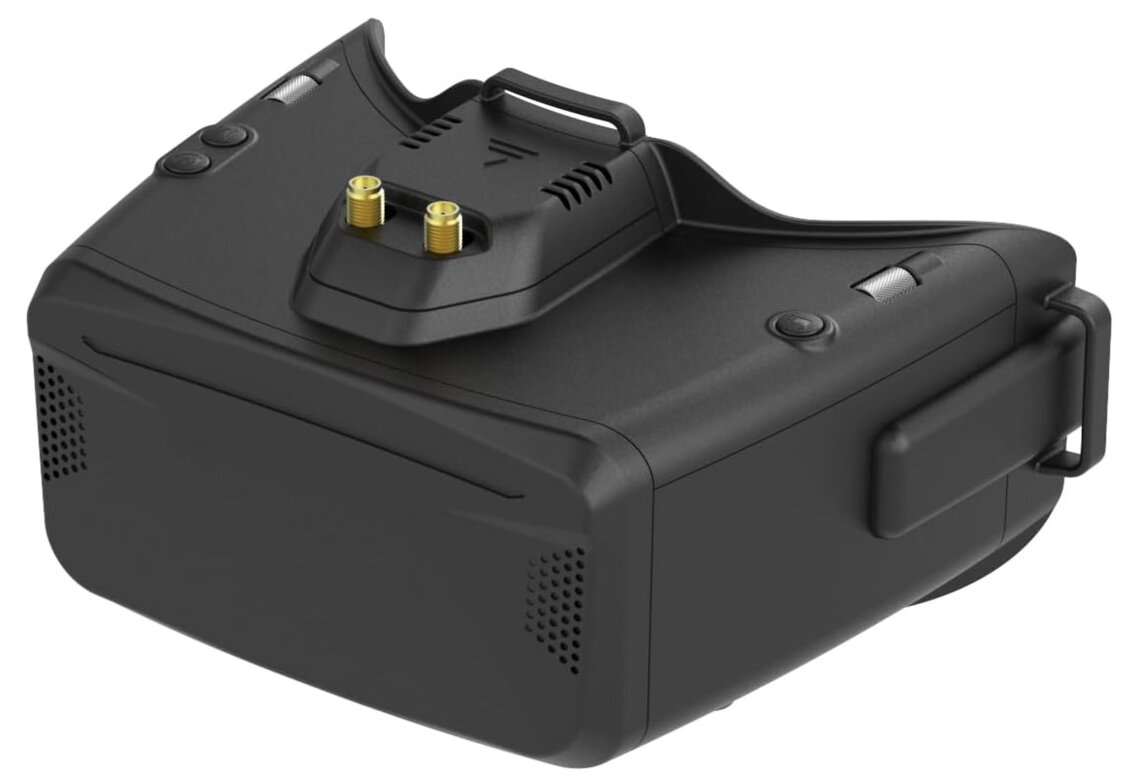
Skyzone currently supplies products to many countries, including Russia and Ukraine, but does not list JSC NPP in its list of official distributors.
According to the assessment of the Telegram channel Razved Dozor, each glass contained 10-15 grams of plastic explosive, and all the boxes showed signs of previous tampering.
War expert Matthew Ford, a lecturer in international relations at the University of Sussex, compared the incident to the explosion of a series of pagers and walkie-talkies in Lebanon last September. But he noted that the Russian case had important differences: while the Lebanese incident required months of planning and intervention in Hezbollah’s supply chain, the Russian case involved a shipment of glasses delivered through a private donor.
Attacking informal supply chains like this will make things more difficult for the Russian military, forcing them to increase checks and surveillance of even informal sources of support, Ford said. This is especially important as Russian and Ukrainian units rely on crowdfunding for basic equipment amid a protracted conflict.
Notably, JSC NPP - the company involved in the incident - is on the UK and European Union sanctions lists for its role in developing and supplying electronic warfare equipment to Russian forces in Ukraine. This incident continues to raise concerns about the logistics security and safety of individual supplies to the Russian military amid the tense conflict.