Tốc độ Mach 30
Tờ SCMP dẫn lời nhà nghiên cứu của Học viện Khoa học Trung Quốc Han Guilai nói trong một bài giảng trực tuyến hồi tháng 5 rằng, đường hầm gió JF-22, ở quận Hoài Nhu của Bắc Kinh, có khả năng mô phỏng các chuyến bay với tốc độ Mach 30 (37.000km/h) - gấp 30 lần tốc độ âm thanh. Cùng với một cơ sở hiện có, cũng ở Bắc Kinh, hầm gió mới sẽ đưa Trung Quốc “đi trước phương Tây khoảng 20 đến 30 năm”.
Han Guilai, từ Viện Cơ học - cơ quan nghiên cứu siêu thanh hàng đầu của Trung Quốc - cho biết bề mặt của một chiếc máy bay di chuyển với tốc độ như vậy có thể lên tới 10.000 độ C - đủ nóng để phá vỡ các phân tử không khí thành các nguyên tử.
Han nói: “Không khí này không còn là không khí mà chúng ta hít thở. Phương tiện bay mà chúng tôi nghiên cứu giống như bơi trong bùn”.
Han cho biết, năng lượng do đường hầm gió JF-22 tạo ra sẽ đạt 15 gigawatt - gần 70% công suất lắp đặt của nhà máy thủy điện lớn nhất thế giới là đập Tam Hiệp ở tỉnh Tứ Xuyên, tây nam Trung Quốc, hoặc gấp hơn bảy lần đập Hoover ở Nevada, Mỹ.
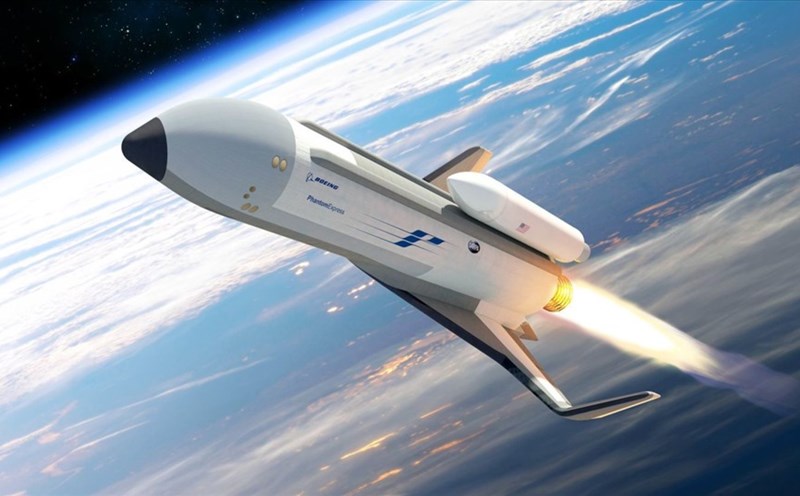
Trung Quốc, cùng với các quốc gia lớn khác, đã đầu tư rất lớn vào việc phát triển công nghệ bay siêu thanh, giúp du khách có thể hạ cánh ở bất kỳ đâu trên thế giới trong một hoặc hai giờ. Nó cũng sẽ cắt giảm hơn 90% chi phí của các vụ phóng vào không gian, có khả năng đưa việc du lịch vũ trụ trở thành phổ biến.
Máy bay siêu thanh thương mại
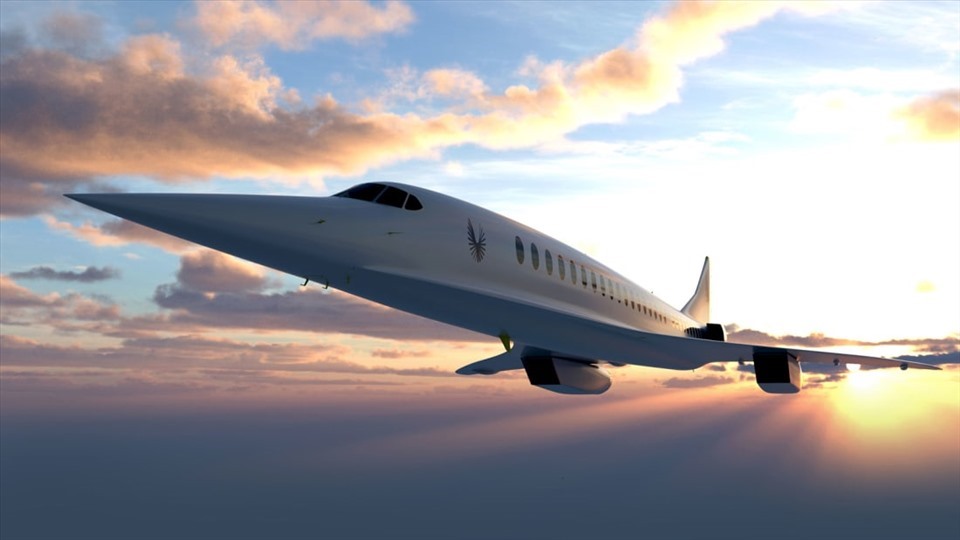
Khi Trung Quốc và Mỹ cạnh tranh giành vị trí dẫn đầu công nghệ toàn cầu, cuộc chạy đua để đưa các chuyến bay siêu thanh vào cuộc sống ngày càng gay gắt.
Aerion, một công ty tư nhân phát triển máy bay siêu thanh chở khách có trụ sở tại Nevada, Mỹ, đã gặp phải những trở ngại về tài chính và kỹ thuật trong tháng này. Tháng trước, một cuộc thử nghiệm vũ khí siêu thanh rất được mong đợi của Không quân Mỹ đã kết thúc thất bại.
Các thí nghiệm siêu thanh bắt đầu ở phương Tây vào cuối những năm 1940, và phi công Mỹ William John Knight trong một thời gian ngắn đã đạt tới tốc độ Mach 6,7 (8.200km/h) trong một máy bay thử nghiệm X-15 chạy bằng tên lửa vào những năm 1960. Mặc dù xuất phát sớm, các nước phương Tây cho đến nay vẫn thiếu phương tiện siêu thanh.
Các chuyến bay thử siêu thanh của Trung Quốc đã ghi nhận tỷ lệ thành công cao bất thường, không có vụ rơi máy bay nào được báo cáo. Vào năm 2019, các nhà chức trách vũ trụ Trung Quốc đã tiến hành một cuộc thử nghiệm bí mật nguyên mẫu máy bay vũ trụ có thể cất cánh hoặc hạ cánh tại một sân bay thông thường. Các nhà nghiên cứu cũng đã tiết lộ chi tiết trên các tạp chí khoa học trong nước về các thiết kế động cơ siêu thanh không thể thấy ở bất kỳ nơi nào khác trên thế giới.
Một phần thành công của Trung Quốc trong lĩnh vực siêu thanh là nhờ công nghệ độc đáo được sử dụng trong các đường hầm gió của nước này. Không giống như các cơ sở ở các quốc gia khác - sử dụng máy nén cơ học để tạo ra luồng không khí tốc độ cao - JF-22 sử dụng các vụ nổ hóa học.
Khi đường hầm bốc cháy, nhiên liệu của nó cháy với tốc độ nhanh gấp 100 triệu lần so với bếp gas, tạo ra sóng xung kích tương tự như sóng xung kích mà máy bay gặp phải ở vận tốc siêu tốc ở độ cao lớn. Theo Han, mỗi máy bay "cần phải thực hiện khoảng 10.000 lần thử nghiệm trong đường hầm" trước khi sản xuất.
LENS II, đường hầm gió tiên tiến nhất ở Mỹ, đã mô phỏng các chuyến bay lên tới Mach 7 (8.575km/h), với thời gian mô phỏng kéo dài 30 mili giây. Ngược lại, thời gian chạy trung bình của JF-22 có thể đạt 130 mili giây, với tốc độ tối đa cao hơn nhiều, Han nói.
“Thời gian thử nghiệm của chúng tôi lâu hơn của họ, vì vậy mô hình máy bay có thể lớn hơn của họ, và các thử nghiệm có thể tiên tiến hơn của họ. Điều này quyết định vị thế hàng đầu của chúng tôi trên thế giới” - Han cho hay.
Qian Xuesen - cha đẻ chương trình tên lửa của Trung Quốc - đã đặt ra thuật ngữ "siêu thanh" trong một bài báo năm 1946 sau khi ông phát hiện ra rằng hành vi của luồng không khí tuân theo các quy tắc hoàn toàn khác với tốc độ nhanh gấp 5 lần âm thanh.
Qian “đã đào một cái hố lớn vào thời điểm đó, và bây giờ mọi người từ khắp nơi trên thế giới đang nhảy vào cái hố” - Han, nhà nghiên cứu siêu thanh thế hệ thứ tư sau khi Qian bắt đầu cách đây 60 năm, cho biết.
Một nhà vật lý siêu thanh ở Thượng Hải đã xác nhận thông tin trong bài giảng của Han.
Mặc dù ngày ra mắt của JF-22 vẫn được giữ kín, nhưng nó sẽ hoạt động cùng với JF-12, một đường hầm cũ hơn với khoảng 1/5 công suất điện, để mô phỏng các điều kiện bay ở cả độ cao lớn hơn và thấp hơn, nơi mật độ không khí khá khác nhau, theo nhà nghiên cứu.
"Có một câu nói của người Trung Quốc, để mài một thanh kiếm phải mất 10 năm. Chúng tôi đã dành 60 năm để mài sắc hai thanh kiếm. Và chúng là những thanh kiếm sắc nhất” - Han ví von.