50 năm trước, trong lúc đào giếng ở ngoại ô Tây An, Thiểm Tây, Trung Quốc, người ta bất ngờ phát hiện một chiến binh đất nung. Khi chính quyền tiếp tục khai quật giếng, họ phát hiện ra người lính chỉ là một trong đội quân đất nung khổng lồ đang đứng canh gác một khu lăng mộ rộng lớn. Hóa ra, họ đã phát hiện ra lăng mộ hơn 2.000 năm tuổi của Hoàng đế Tần Thủy Hoàng - vị hoàng đế đầu tiên thống nhất Trung Quốc.
Nửa thế kỷ sau, lăng mộ huyền thoại tiếp tục tiết lộ bí mật của nó, với cuộc khai quật mới nhất phát hiện ra một kho báu bí ẩn có thể xác nhận một truyền thuyết cổ xưa của Trung Quốc: Một chiếc quan tài nặng 16 tấn chứa đầy kho báu - bao gồm áo giáp, vũ khí, 6.000 đồng xu, ngọc bích, và những con lạc đà bằng vàng và bạc - được khai quật từ một ngôi mộ trong khu phức hợp rộng lớn, theo tờ The Daily Express.
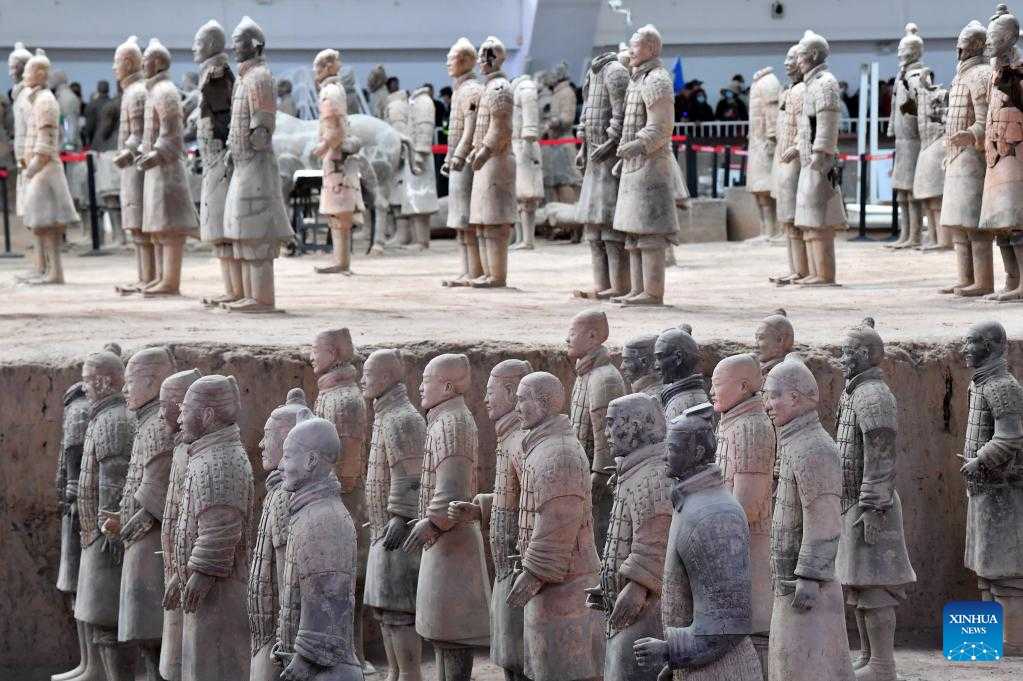
Loại lăng mộ còn nguyên vẹn này rất hiếm: Cả quan tài lẫn kho báu dường như đều không bị bọn trộm mộ cướp bóc trong suốt hai thiên niên kỷ qua. “Hầu hết ngôi mộ cổ đều bị cướp nên chúng tôi không có nhiều hy vọng về phòng chứa quan tài. Nhưng hóa ra, nó không hề bị cướp. Chúng tôi rất ngạc nhiên” - người đứng đầu cuộc khai quật Jiang Wenxiao nói với Express.
Tuy nhiên, nỗi lo sợ về sự xuống cấp của ngôi mộ đã khiến các nhà khảo cổ phải khai quật và kiểm tra hơn một thập kỷ sau khi được phát hiện lần đầu vào năm 2011.
Bây giờ, các nhà khảo cổ muốn xác định xem ai được chôn bên trong. Các chuyên gia nhận xét: “Cách chôn cất hoành tráng cho thấy, ông ấy là một chiến binh đáng chú ý”.
Ngôi mộ được khai quật gần đây chỉ là một trong nhiều ngôi mộ trong khu lăng mộ, được xây dựng để tôn vinh Tần Thủy Hoàng, hoàng đế đầu tiên thống nhất Trung Quốc.
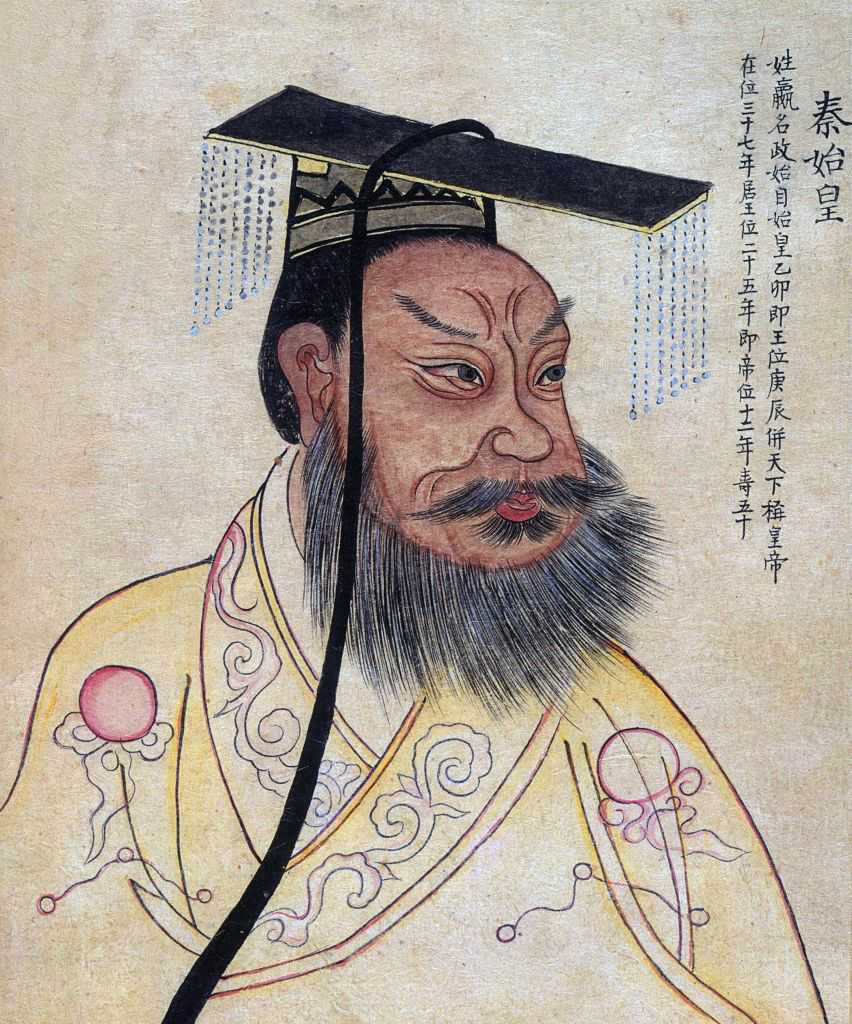
Theo ghi nhận của National Geographic, chính Tần Thủy Hoàng đã kêu gọi xây dựng lăng mộ này ngay sau khi ông lên ngôi vào năm 246 trước Công nguyên, khi mới 13 tuổi.
Những hành động vĩ đại của Tần Thủy Hoàng xứng đáng với nơi chôn cất xa hoa mà ông đã ra lệnh xây dựng. Ngoài việc tiêu diệt các nước chư hầu để thống nhất Trung Quốc, nhà Tần còn “tiêu chuẩn hóa tiền xu, các đơn vị đo, xây dựng kênh rạch, đường sá, và được ghi nhận đã xây dựng phiên bản đầu tiên của Vạn Lý Trường Thành” - National Geographic lưu ý.
Phần lớn những gì chúng ta biết về Tần Thủy Hoàng, việc xây dựng lăng mộ của ông và những bí mật về những khu vực chưa được khai quật đều bắt nguồn từ một tài liệu 2.000 năm tuổi có tên là "Shiji", còn được gọi Sử ký của nhà sử học Trung Quốc Tư Mã Thiên.
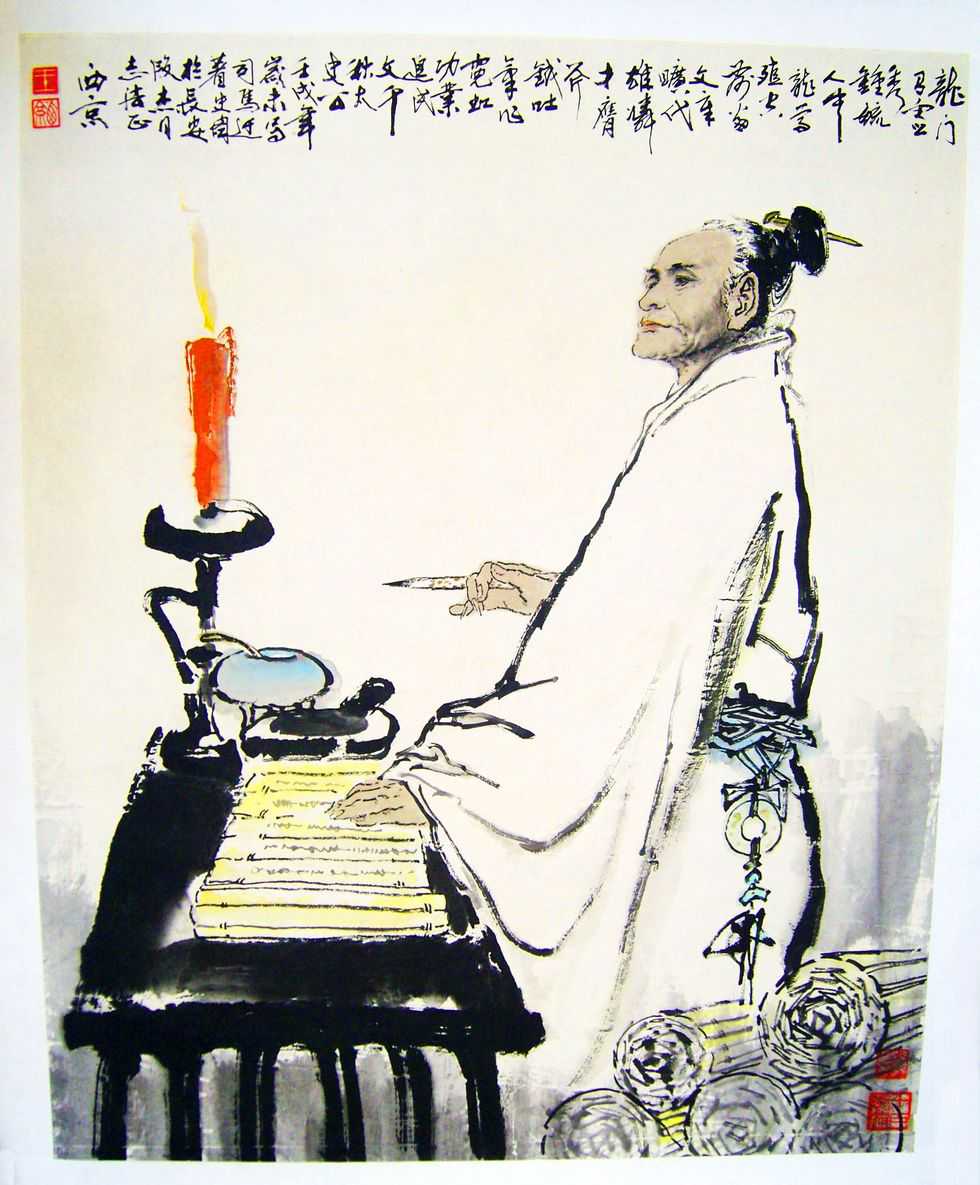
Sử ký kể lại câu chuyện về con trai của Tần Thủy Hoàng, Hoàng tử Gao, người phải chịu số phận bi thảm. Sau khi Tần Thủy Hoàng qua đời, con trai cả của ông là Phù Tô được cho là sẽ lên ngôi. Nhưng do hành vi lừa dối của một số thành viên trong triều đại, Hồ Hợi, con trai thứ 18 của Tần Thủy Hoàng, đã lên nắm quyền.
Chuyện kể rằng, một hậu duệ khác của nhà Tần, Hoàng tử Gao, chứng kiến anh chị em của mình đều bị giết hoặc chết vì tự sát, nên đã tính đến việc bỏ trốn. Nhưng Hoàng tử Gao nhận ra rằng, kết cục là gia đình sẽ bị truy lùng.
Theo Sử ký, Hoàng tử Gao đã yêu cầu sau khi chết dưới tay họ, ông phải được an nghỉ trong lăng mộ của Hoàng đế Tần Thủy Hoàng. Và với cuộc khai quật gần đây này, các nhà khảo cổ đang tự hỏi liệu ngôi mộ mà họ tình cờ phát hiện có chứa hài cốt của Hoàng tử Gao hay không.
Hui Ming Tak Ted, nhà sử học về triều đại nhà Tần và phó giáo sư tại Đại học Oxford (Anh), cho biết: “Lần đầu tiên sau 2.000 năm, chúng tôi có cơ hội tìm hiểu xem những gì Tư Mã Thiên viết trong Sử ký có đúng hay không”.