
Bí ẩn về một khối thạch anh quý hiếm trong miệng núi lửa Gale mà tàu thám hiểm sao Hỏa Curiosity phát hiện vào năm 2016 cuối cùng đã được các nhà nghiên cứu giải mã - Space đưa tin.
Một nhóm các nhà khoa học hành tinh từ Đại học Rice, Trung tâm Không gian Johnson của NASA và Viện Công nghệ California (CalTech) tin rằng một phần cô đặc của tridymite đã được phun vào miệng núi lửa Gale khi nó vẫn chứa đầy nước chừng 1 tỉ năm trước.
Phát hiện mới cho thấy hành tinh đỏ có một lịch sử núi lửa thú vị và phức tạp hơn những gì được nghĩ trước đây.
Tridymite - cực kỳ hiếm trên Trái đất - là một dạng đồng hình nhiệt độ cao của thạch anh và thường xuất hiện ở dạng tấm nhỏ hoặc các tinh thể giả sáu phương không màu trong các ốc đá phun trào felsic. Cách thức tridymite đến được lòng hồ cổ đại đã khiến các nhà nghiên cứu gặp khó khăn trong nhiều năm.
“Việc phát hiện ra tridymite trong đá bùn ở miệng núi lửa Gale là một trong những quan sát đáng ngạc nhiên nhất mà tàu thám hiểm Curiosity đã thực hiện được trong 10 năm khám phá sao Hỏa” - giáo sư Kirsten Siebach, thành viên nhóm nghiên cứu của Đại học Rice, cho biết trong một tuyên bố.
“Tridymite thường xuất hiện trong quá trình núi lửa hình thành, phun trào trên Trái đất, nhưng chúng tôi đã tìm thấy nó ở đáy hồ cổ trên sao Hỏa, nơi hầu hết các núi lửa còn rất nguyên thủy” - giáo sư Siebach nói thêm.
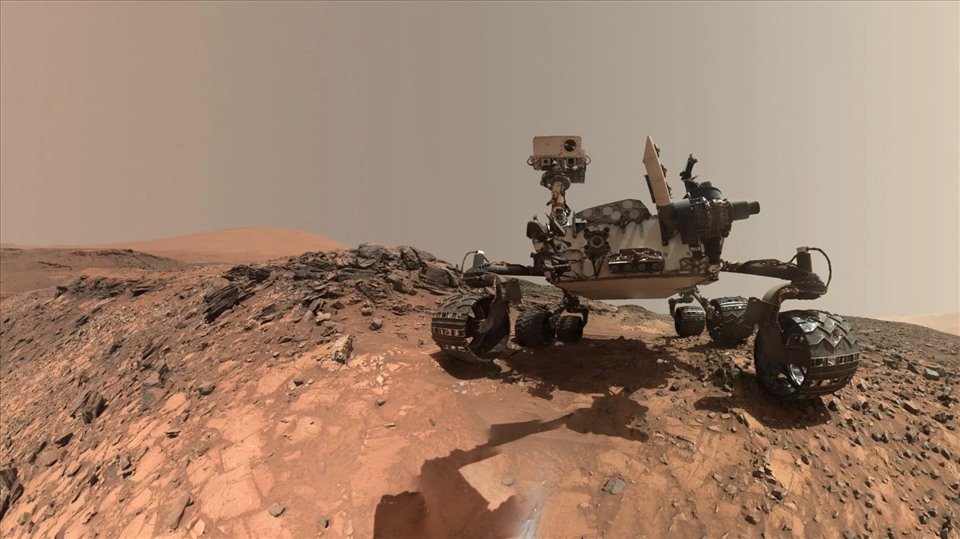
Để giải đáp bí ẩn này, Siebach và các đồng nghiệp đã xem xét dữ liệu liên quan đến sự hình thành tridymite trên Trái đất. Họ cũng xem xét các mô hình núi lửa trên hành tinh đỏ, vật liệu núi lửa, cũng như bằng chứng trầm tích thu thập được từ miệng núi lửa Gale - nơi tàu Curiosity hạ cánh vào tháng 8.2012.
Sau quá trình nghiên cứu, nhóm của giáo sư Siebach đưa ra một kịch bản mới cho thấy magma trên sao Hỏa đã nằm lâu hơn bình thường trong một khoang bên dưới núi lửa. Điều này cho phép nó ít nhất nguội đi một phần - quá trình được gọi là kết tinh phân đoạn - và tăng nồng độ silic của magma.
Một vụ phun trào lớn sau đó phun ra tro có chứa thêm silicon này ở dạng tridymite xuống hồ và sau đó trở thành miệng núi lửa Gale, cũng như các con sông xung quanh. Tro núi lửa này dần dần bị phân hủy bởi nước trong hồ cổ đại, điều này cũng giúp phân loại các khoáng chất trong tro, để lại khoáng chất tridymite mà tàu thám hiểm Curiosity tìm thấy vào năm 2016.
Siebach nói: “Đó thực sự là một sự tiến hóa đơn giản của các loại đá núi lửa khác mà chúng tôi tìm thấy trong miệng núi lửa. Bởi vì chúng tôi chỉ nhìn thấy khoáng chất này một lần và nó tập trung nhiều ở một lớp duy nhất, nên chúng tôi cho rằng núi lửa có thể đã phun trào cùng lúc với hồ ở đó. Mặc dù mẫu cụ thể mà chúng tôi phân tích không chỉ là tro núi lửa, mà đó là tro đã bị phong hóa”.
Phát hiện cũng có ý nghĩa rộng lớn hơn đối với lịch sử địa chất của sao Hỏa. Điều đó có nghĩa là hành tinh đỏ đã phải trải qua giai đoạn núi lửa hoạt động cực mạnh và bùng nổ cách đây hơn 3 tỉ năm. Đây là thời điểm sao Hỏa thay đổi từ một thế giới ẩm ướt và ấm áp sang một hành tinh khô cằn và cằn cỗi mà chúng ta quen thuộc ngày nay.
Siebach kết luận: “Có rất nhiều bằng chứng về các vụ phun trào núi lửa bazan trên sao Hỏa, nhưng đây là một dạng hóa học tiến hóa hơn. Nghiên cứu này cho thấy hành tinh đỏ có thể có một lịch sử núi lửa phức tạp và hấp dẫn hơn những gì chúng ta tưởng tượng trước đây”.


