
Đây là lần đầu tiên, các nhà khảo cổ học Trung Quốc phát hiện ra bộ xương hoàn chỉnh của một động vật trong một khu chôn cất cổ đại, nhà khảo cổ học Hu Songmei tại Học viện Khảo cổ học Thiểm Tây chia sẻ với SCMP.
Nhóm khảo cổ của ông Hu đã tìm thấy bộ xương gấu trúc khổng lồ đối diện với lăng mộ Hán Văn Đế - hoàng đế thứ 5 của triều đại Tây Hán, trị vì cho tới năm 157 trước Công nguyên.
Khu chôn cất nằm gần Tây An - thành phố thuộc tỉnh Thiểm Tây - nơi từng là kinh đô của Trung Quốc.
Cuối năm 2021, các nhà khảo cổ đã khai quật được hài cốt của hổ, heo vòi, bò rừng bison, bò Tây Tạng, trâu rừng Tây Tạng (hay linh ngưu) cùng những loài động vật khác trong 20 hố chôn cất ở các góc trong một khu vườn hoàng gia gần lăng mộ của Hán Văn Đế, theo tờ West China Metropolis Daily.
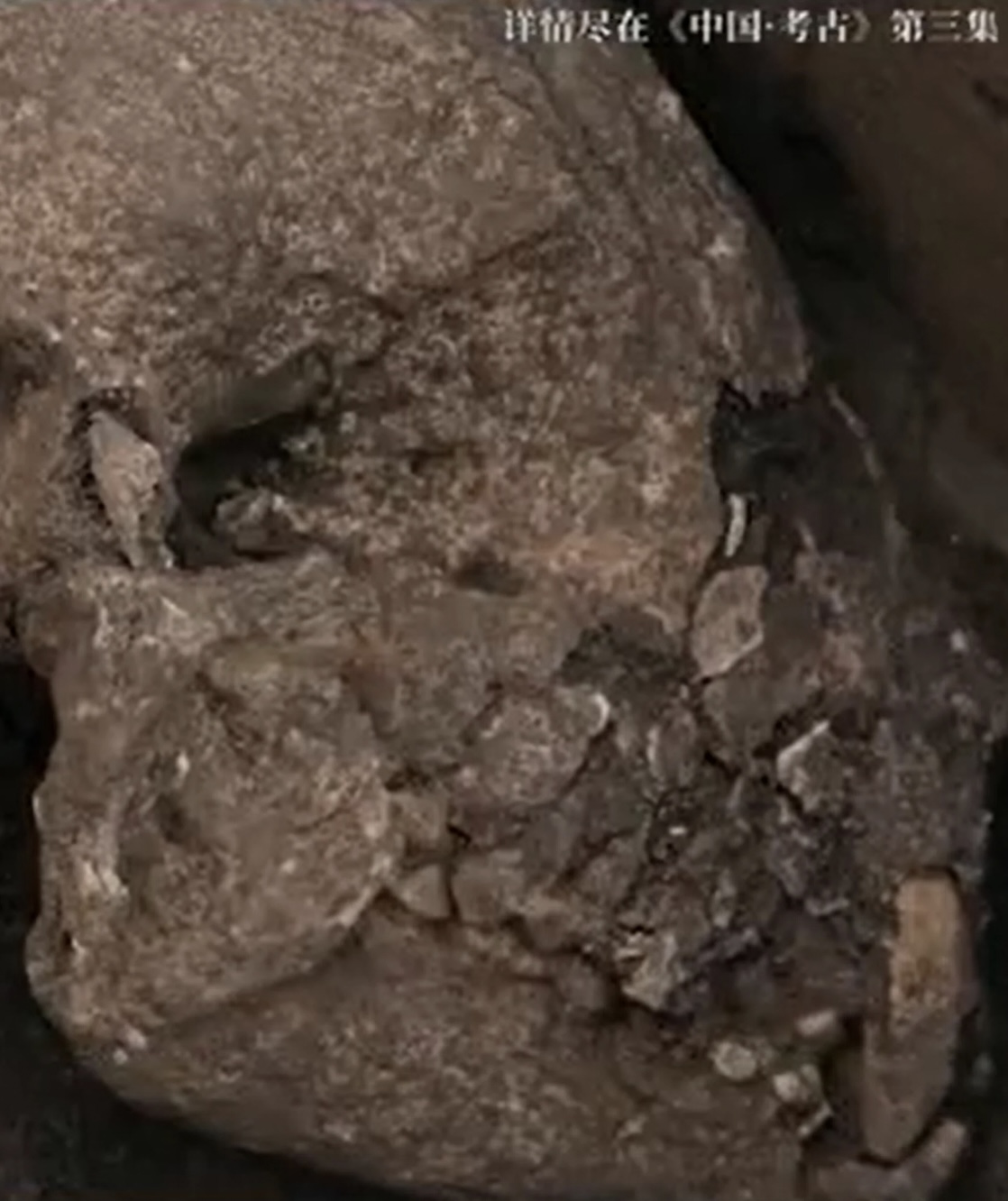
Tuy nhiên, chỉ gần đây, thông qua xét nghiệm ADN, nhóm của nhà khảo cổ Hu Songmei mới xác định được trong số xương ở khu lăng mộ có bộ xương hoàn chỉnh của gấu trúc khổng lồ.
Con gấu trúc này có khả năng thuộc phân loài gấu trúc Tần Lĩnh - phân loại gấu trúc lớn hơn, mặt to và tròn hơn, khác với loài gấu trúc khổng lồ Tứ Xuyên nổi tiếng hơn.
Nhà khảo cổ Hu Songmei chỉ ra, sự xuất hiện của một con gấu trúc gần Tây An có thể cho thấy, khí hậu của khu vực này vào thời điểm đó ấm hơn vài độ so với hiện nay, tạo điều kiện cho tre, trúc phát triển.
Tuy nhiên, cũng có thể con vật này được gửi từ phương nam tới Tây An làm quà tặng cho hoàng đế Trung Quốc, bà Hu Songmei cho biết thêm.
Năm 1975, các nhà khảo cổ từng tìm thấy hộp sọ của một con gấu trúc trong lăng mộ mẹ của Hán Văn Đế - Thái hậu Bạc Cơ. Tuy nhiên, phần thân của con gấu trúc này không được tìm thấy.
Nhà khảo cổ Hu chia sẻ thêm, việc phát hiện heo vòi trong lăng mộ Hán Văn Đế cũng là phát hiện đặc biệt quan trọng vì loài vật này đã tuyệt chủng từ lâu ở Trung Quốc. Trong những văn tự cổ có đề cập tới heo vòi thường bị nghi là chỉ gấu trúc.
Nhà khảo cổ người Trung Quốc tin rằng, việc phát hiện ra heo vòi cho thấy cả gấu trúc và heo vòi có thể đã tồn tại ở Trung Quốc thời cổ đại.


