
CGTN đưa tin, Đại hội Khảo cổ Trung Quốc lần thứ ba khai mạc hôm 18.10 tại thành phố Tam Môn Hạ, tỉnh Hà Nam, miền Trung Trung Quốc khi đất nước kỷ niệm 100 năm ngày thành lập ngành khảo cổ học Trung Quốc hiện đại.
Cơ quan Quản lý Di sản Văn hóa Quốc gia Trung Quốc (NCHA) đã công bố 100 khám phá khảo cổ hàng đầu của đất nước trong 100 năm qua tại lễ khai mạc.
Bao gồm 29 tỉnh, khu tự trị, thành phố trực thuộc Trung ương cũng như đặc khu hành chính Hồng Kông và khu vực Đài Loan, các địa điểm khảo cổ này được chia thành tám loại dựa trên các giai đoạn lịch sử, kéo dài từ thời kỳ đồ đá cũ đến nhà Minh và các triều đại nhà Thanh (1368-1911). 33 trong số đó - số lượng lớn nhất - thuộc thời kỳ đồ đá mới.
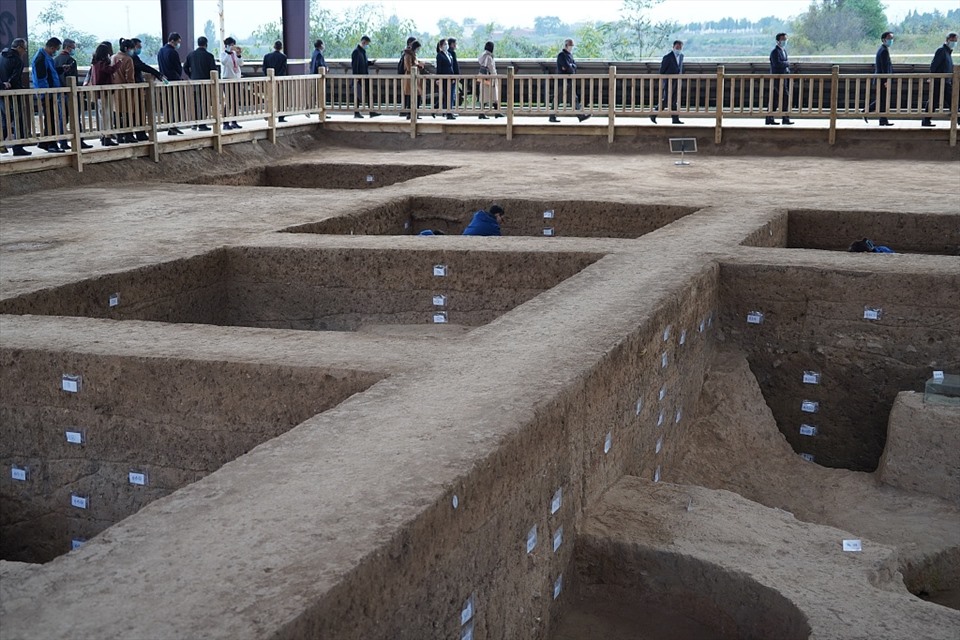
Tỉnh Hà Nam là nơi có số lượng di chỉ khảo cổ lớn nhất, tổng cộng 14 địa điểm, tiếp theo là tỉnh Thiểm Tây ở tây bắc Trung Quốc, có 11 địa điểm.
Một số cái tên quen thuộc như Chu Khẩu Điếm (Zhoukoudian), Lương Chử (Liangzhu) và Tam Tinh Đôi (Sanxingdui) đã lọt vào danh sách.
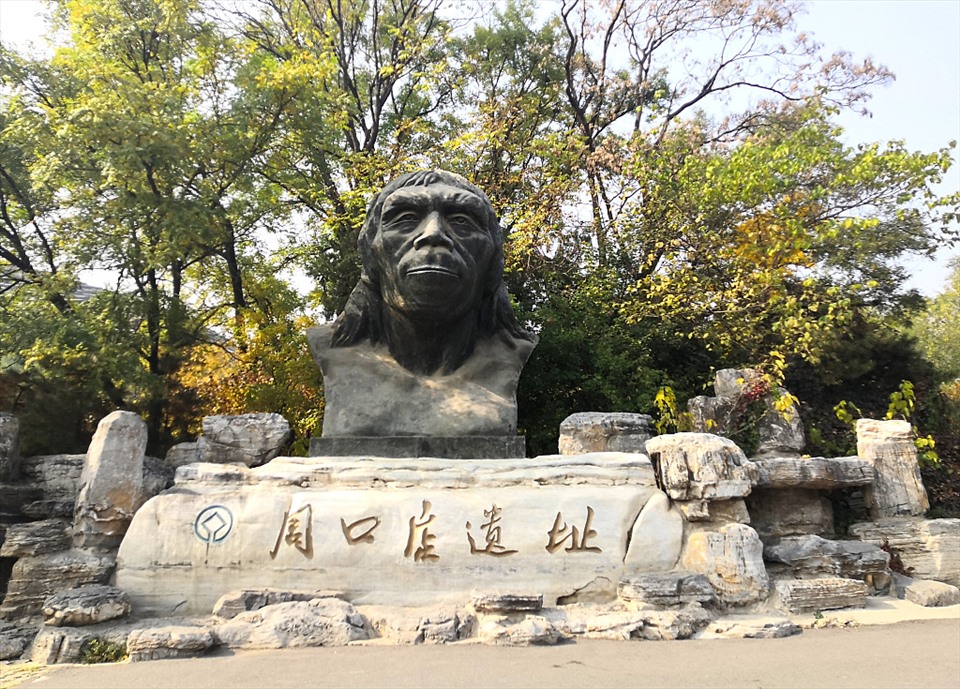
Di chỉ khảo cổ Chu Khẩu Điếm ở Bắc Kinh
Di chỉ khảo cổ Chu Khẩu Điếm - Di sản Thế giới được UNESCO công nhận vào năm 1987 nằm ở quận Phòng Sơn, ngoại ô Bắc Kinh - nổi tiếng với những khám phá khảo cổ bao gồm hộp sọ đầu tiên của Người đứng thẳng được đặt là Người Bắc Kinh 700.000 năm trước và tập hợp xương khổng lồ của chi linh cẩu Pachycrocuta.
Hơn 200 hóa thạch người, 100.000 công cụ đá và một số lượng lớn hóa thạch động vật đã được khai quật tại địa điểm này, đưa ra những manh mối quan trọng về nguồn gốc loài người và quá trình tiến hóa của loài người.
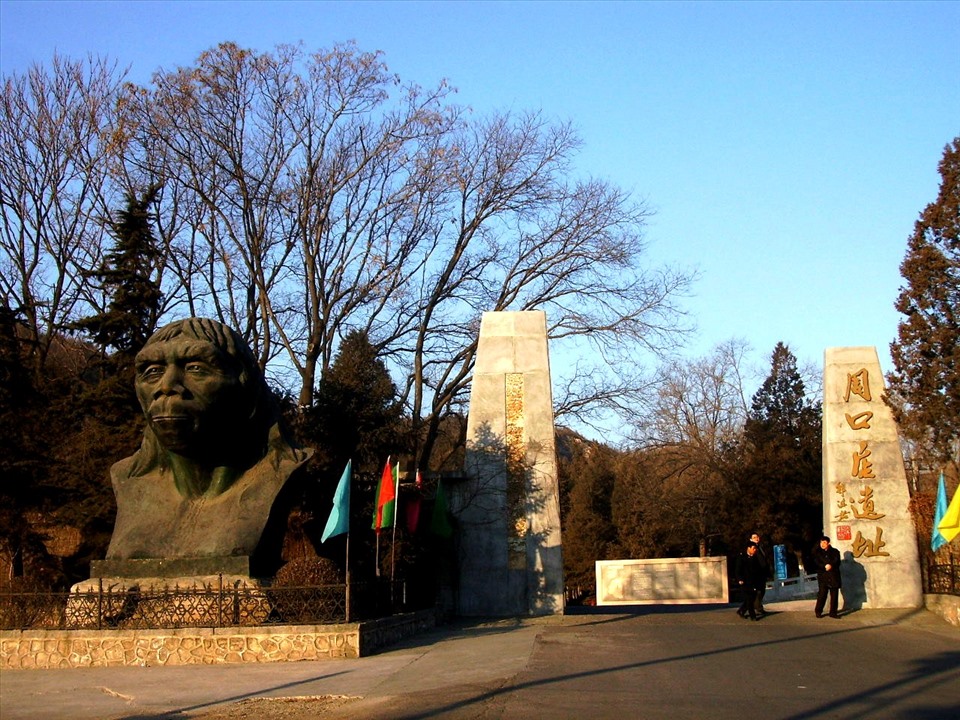
Do những cách hiểu khác nhau về bằng chứng khảo cổ mà những ý kiến đưa ra về khoảng thời gian Người Bắc Kinh cư ngụ tại địa điểm này cũng khác nhau, 700.000 - 200.000 năm trước, 670.000 - 470.000 năm trước và không sớm hơn 530.000 năm trước.
Động vật cổ còn lại sớm nhất là 690.000 năm trước và các công cụ từ 670.000 năm trước, trong khi một số công cụ khác cũng có niên đại không sớm hơn 530.000 năm trước.
Di chỉ khảo cổ Lương Chử ở Hàng Châu, tỉnh Chiết Giang
Di chỉ khảo cổ Lương Chử, được ca ngợi là một trong những di sản quan trọng nhất của thời đại đồ đá mới ở Trung Quốc, trưng bày nền văn minh nông nghiệp lúa nước thời tiền sử của Trung Quốc tồn tại từ năm 3300 trước Công nguyên đến 2300 trước Công nguyên.
Di tích khảo cổ Lương Chử minh họa sự chuyển đổi từ các xã hội thời kỳ đồ đá mới quy mô sang một đơn vị chính trị tích hợp lớn với hệ thống phân chia giai cấp, nghi lễ và nghề thủ công. Nó bao gồm các ví dụ nổi bật về đô thị hóa sớm được thể hiện trong các di tích bằng đất, quy hoạch thành phố và cảnh quan, hệ thống phân cấp xã hội thể hiện ở sự khác biệt về chôn cất trong các nghĩa trang, trong tài sản, các chiến lược văn hóa xã hội để tổ chức không gian và thực hiện quyền lực. Nó đại diện cho thành tựu to lớn của nền văn minh trồng lúa thời tiền sử của Trung Quốc hơn 5.000 năm trước và là một ví dụ nổi bật của nền văn minh đô thị sớm.
Các bức tường thành, nền móng của các công trình kiến trúc lớn, lăng mộ, bàn thờ, nhà ở, bến tàu và xưởng đã được tìm thấy bên trong và bên ngoài Thành cổ Lương Chử.
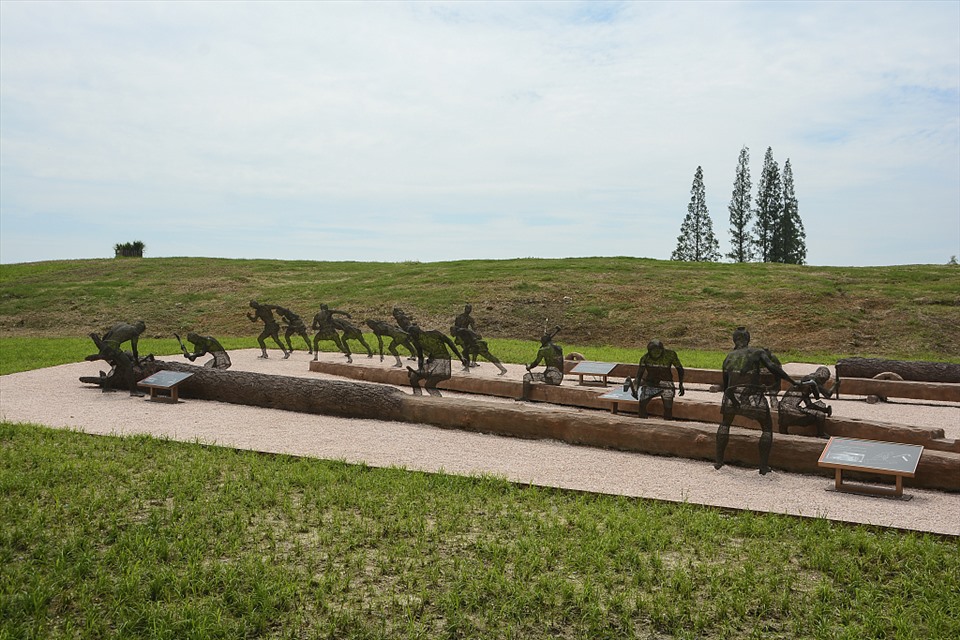
Ngày 29.11.2007 tại Hàng Châu, các nhà khảo cổ thông báo rằng di chỉ thành phố cổ diện tích hơn 2,9km2, niên đại hơn 5.000 năm đã được tìm thấy trong vùng lõi của di tích Lương Chử. Giáo sư Đại học Bắc Kinh Nghiêm Văn Minh và các nhà khảo cổ khác chỉ ra rằng đây là các di chỉ thành phố giai đoạn văn hóa Lương Chử, lần đầu tiên được phát hiện ở khu vực sông Dương Tử, có thể được gọi là "thành phố phương Đông đầu tiên", là cái nôi của nền văn minh Trung Hoa.
Năm 2017, các nhà khảo cổ học lại phát hiện một hệ thống thủy lợi có niên đại tới 5.100 năm, quy mô khổng lồ và cổ xưa nhất trên thế giới tính đến thời điểm hiện nay. Công trình dẫn nước quy mô 5.100 tuổi thậm chí còn lâu đời hơn cả phát hiện hệ thống thủy lợi 4.900 năm trước đây của Văn minh Lưỡng Hà.
Di chỉ khảo cổ Tam Tinh Đôi ở Quảng Sơn, tỉnh Tứ Xuyên
Cách thủ phủ Thành Đô của tỉnh Tứ Xuyên khoảng 40km, khu di tích Tam Tinh Đôi được coi là một trong những khám phá khảo cổ quan trọng nhất trong thế kỷ 20. Cuộc khai quật đã kéo dài gần 100 năm kể từ lần phát hiện đầu tiên vào cuối những năm 1920.
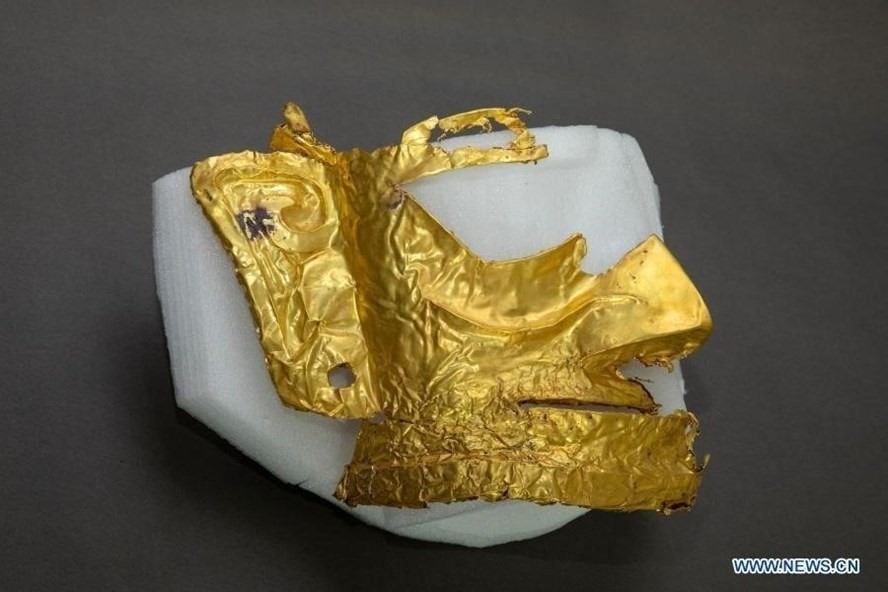
Năm 1986, các nhà khảo cổ đã tìm thấy hai hố hiến tế tế quy mô lớn có từ thời nhà Thương (1600-1046 trước Công nguyên). Hàng nghìn bảo vật quý hiếm đã được phát hiện từ hai hố hiến tế này. Kể từ tháng 3 năm 2021, các nhà khảo cổ học Trung Quốc đã có những bước đột phá lớn tại sáu hố hiến tế mới được tìm thấy.
Theo NCHA, những khám phá khảo cổ này mang giá trị khoa học quan trọng, vì chúng phản ánh những thành tựu của khảo cổ học Trung Quốc về nguồn gốc loài người, về nông nghiệp và nền văn minh Trung Quốc.
Được khởi động vào tháng 5, sự kiện Đại hội Khảo cổ Trung Quốc lần thứ ba đã thu hút tổng cộng 337 dự án khảo cổ trên toàn quốc, trong đó có 160 dự án lọt vào vòng chung kết.


