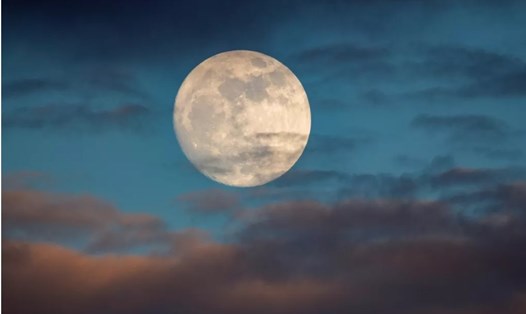
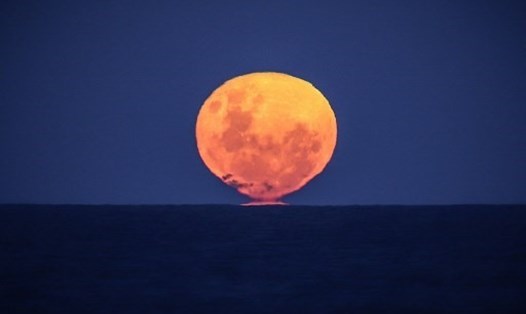
Siêu trăng cuối cùng của năm 2022 diễn ra trùng với thời điểm mưa sao băng Perseid gần cực đại, theo NBC News. Mưa sao băng Perseid đạt cực đại từ ngày 14.7.
Theo NASA, "Perseid là một trong những trận mưa sao băng phong phú nhất (50-100 sao băng được nhìn thấy mỗi giờ)" và trăng sáng có thể khiến việc quan sát mưa sao băng khó hơn.
Siêu trăng xảy ra khi trăng non hoặc trăng tròn ở vị trí gần Trái đất nhất trên quỹ đạo chuyển động, theo Old Farmer's Almanac.
Tuy nhiên, Old Farmer's Almanac cũng lưu ý các ấn phẩm khác nhau có định nghĩa khác nhau về siêu trăng.
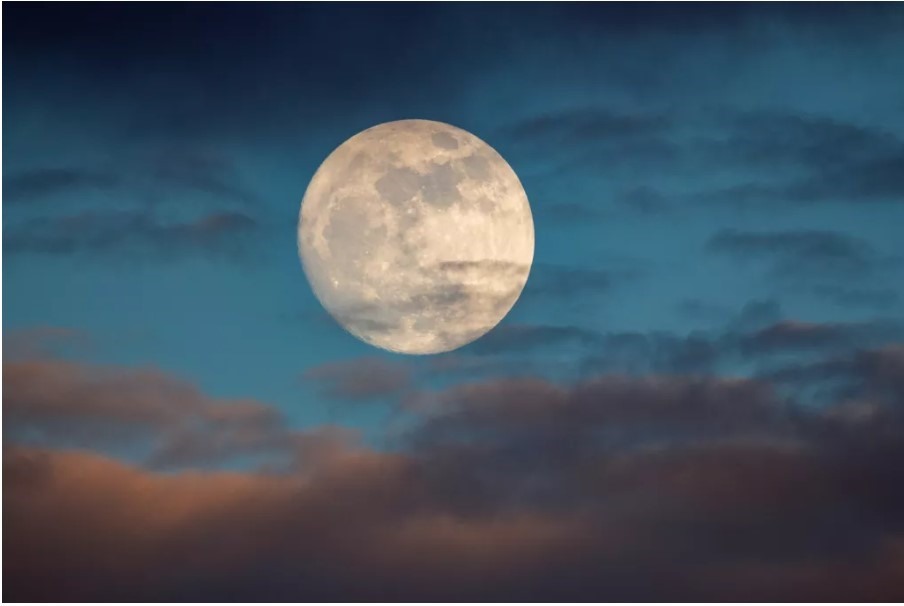
Nhìn chung, theo định nghĩa ở trên, siêu trăng năm 2022 xảy ra vào tháng Năm, tháng Sáu, tháng Bảy và tháng Tám.
Siêu trăng xảy ra ngày 11.8 sẽ cách Trái đất 361.409km, trong khi siêu trăng tháng Bảy cách Trái đất 357.418km, theo Old Farmer's Almanac.
Siêu trăng trông lớn hơn khoảng 7% so với thông thường nhưng Old Farmer's Almanac nhấn mạnh rất khó để biết khi nào Mặt trăng trông lớn hơn. Để thực sự so sánh được khi Mặt trăng trông lớn hơn, hãy quan sát khi Mặt trăng mọc hoặc lặn.