
Một tòa nhà được khai quật trong đống đổ nát được phát hiện cách Tây An, tỉnh Thiểm Tây, Trung Quốc 18km về phía bắc, có thể là nơi Tần Thủy Hoàng thiết triều - Hoàn cầu Thời báo đưa tin.
Tần Thủy Hoàng là người sáng lập triều đại nhà Tần (221-206 trước Công nguyên) và là hoàng đế đầu tiên của Trung Quốc.
Thành phố Hàm Dương, tỉnh Thiểm Tây - là kinh đô huyền thoại của nhà Tần - có một số lượng lớn các tàn tích cung điện. Trong số đó, một cấu trúc được dán nhãn là "tàn tích số 6" ở trung tâm của địa điểm đã được các nhà khảo cổ học kiểm tra, và xác định rằng đây có thể là điện mà Tần Thủy Hoàng thiết triều.
Dựa trên các hình ảnh tái tạo của địa điểm, các nhà khảo cổ ước tính rằng khu vực này rộng khoảng 1.000 mét vuông.
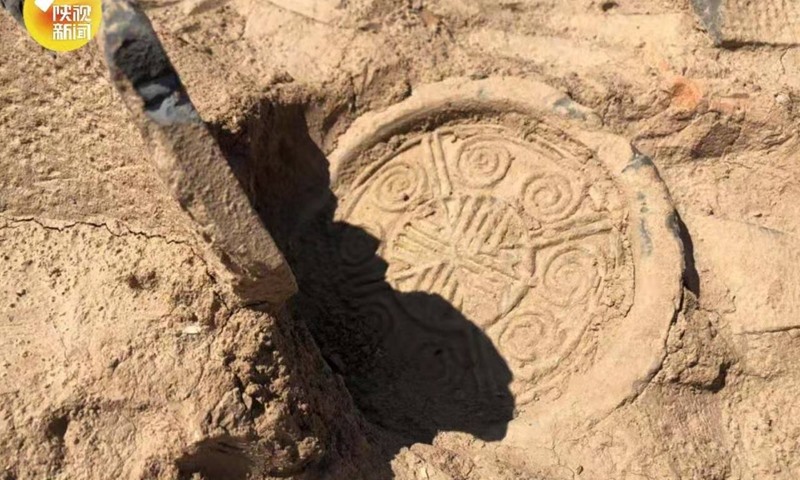
"Nó nằm ở vị trí rất có thể là địa điểm được sử dụng cho mục đích thiết triều, một trong những nơi quan trọng nhất trong toàn bộ khu vực khảo cổ này” - Zhang Ying, phó giáo sư về thời Chiến Quốc (475 - 221 trước Công nguyên) và khảo cổ học thời nhà Tần tại Đại học Sư phạm Thiểm Tây, cho biết.
“Nơi thiết triều thường mang ý nghĩa nghi lễ hoặc tượng trưng, và có thể không phải lúc nào cũng dành cho công việc hàng ngày. Hãy tưởng tượng, nếu không gian làm việc quá lớn, mọi người sẽ phải nói chuyện với nhau ở khoảng cách xa. Rõ ràng đó không phải là một môi trường tốt để giao tiếp. Hãy lấy Thái Hoà điện trong Tử Cấm Thành ở Bắc Kinh làm ví dụ, nó tượng trưng cho quyền lực của hoàng đế Trung Quốc và sự uy nghiêm của đất nước" - Xu Yitao, giáo sư kiến trúc khảo cổ học tại Trường Khảo cổ học và Bảo tàng học thuộc Đại học Bắc Kinh, cho hay.
Phó giáo sư Zhang Ying nhấn mạnh: “Vẫn chưa chắc chắn liệu địa điểm này có phải là nơi thiết triều của Tần Thuỷ Hoàng hay không, bởi vì chưa có bằng chứng chắc chắn nào khác được tìm thấy”.
Bên cạnh đó, cuộc điều tra sâu hơn đã cho thấy địa điểm này được chia thành ba khu vực bởi các hào nhân tạo và môi trường tự nhiên.
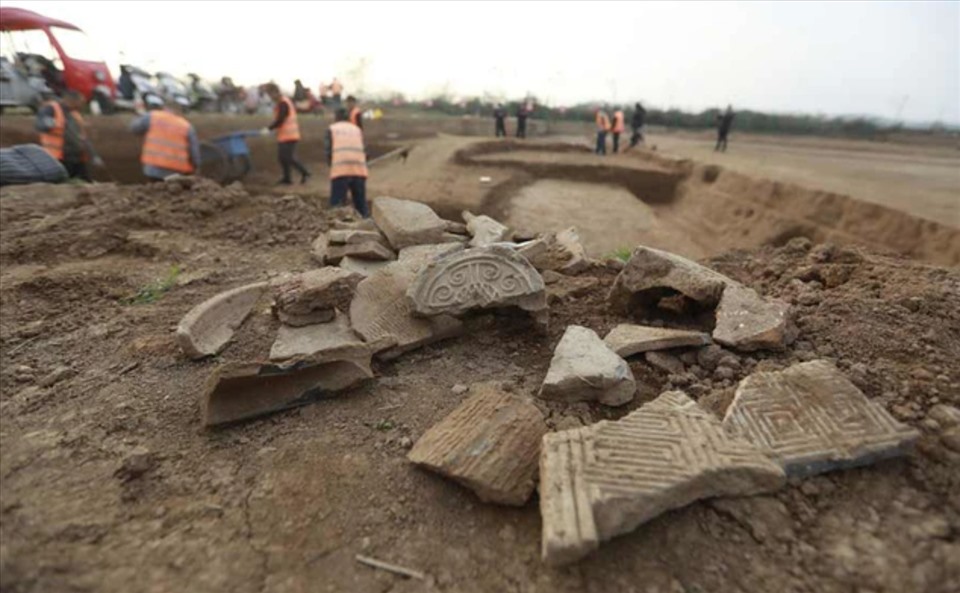
Các hiện vật và di vật được tìm thấy bao gồm đồ gốm bằng xương, đồ kim loại, tiền xu và đá, hầm chứa, giếng nước, hệ thống nước ngầm dài khoảng 9km - là nguồn cung cấp nước quan trọng cho khu vực này.
Kinh đô Hàm Dương có niên đại từ cuối thời Chiến quốc đến thời nhà Tần. Cho đến nay, tổng cộng 15.168 mét vuông đã được khai quật.
Năm 2010, thành phố Hàm Dương được xếp vào danh sách Công viên Di tích Khảo cổ Quốc gia - danh hiệu được trao cho các địa điểm khảo cổ Trung Quốc có giá trị quan trọng đối với nghiên cứu khoa học, giáo dục và du lịch, và là điển hình của các không gian công cộng quốc gia có ý nghĩa lịch sử và văn hóa.


