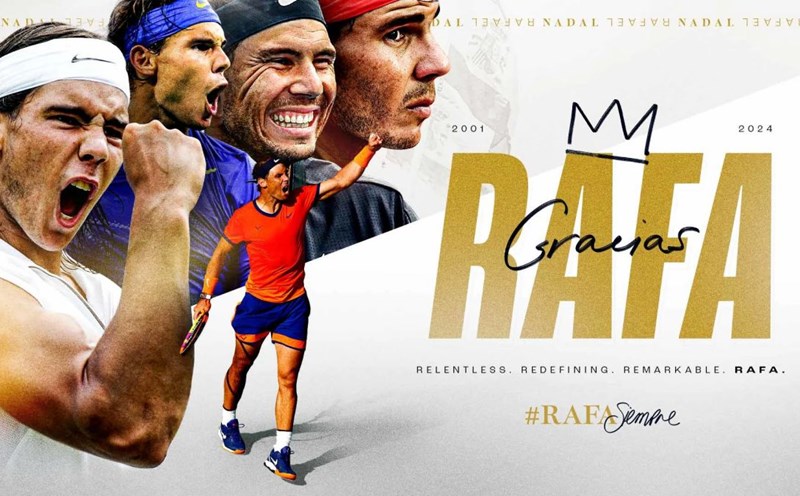
Rafa, a 4-part documentary on Netflix directed by Zach Heinzerling, records Rafael Nadal's difficult decision to leave tennis at the end of the 2024 season, after 22 Grand Slam titles along with countless injuries and foot diseases that have followed him throughout his career.
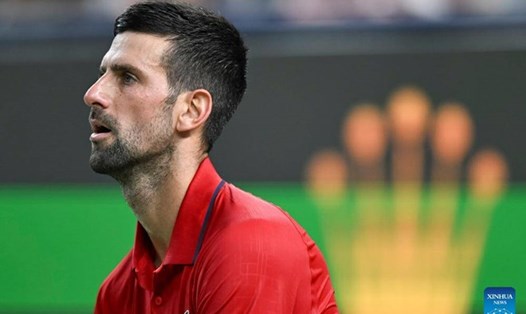
The film combines documentaries about Nadal's high-intensity training sessions with his coach (who is also his uncle) - Uncle Toni; interviews with big opponents such as Roger Federer, Novak Djokovic; and private moments at home to reveal the motivation that helped the former world No. 1 player compete for more than 2 decades, as well as the physical and mental damage he suffered.
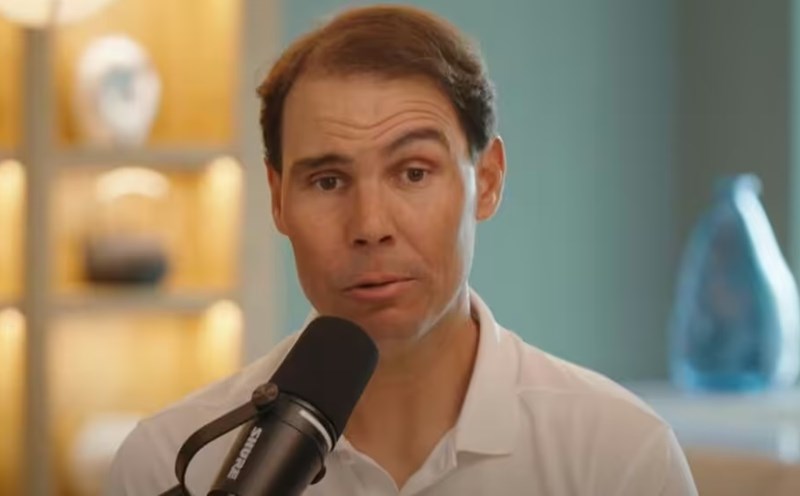
I used to really enjoy what I did," Nadal shared, "Of course, I paid the price with pain. But I always consider everything, and that's why I can always continue. I tell myself:'Okay, I have to endure pain every day, but in return, I enjoy all the wonderful and unforgettable moments in my life.
I play for the people around me: the team, family, fans. It's not just empty words. It's the truth and it's how I approach everything.
Nadal did not participate as a producer for the film made by Skydance Sports, which means he had to cede a part of the control of the content.
Previously, Nadal always refused to make documentaries because of concerns about revealing his private life and the presence of camera lenses around his family and team. David Ellison, head of Skydance, convinced him with the idea that this is at least the final stage in his peak career.
Entering the 2024 season, director Heinzerling has not fully defined the storyline, because Nadal has just returned after hip surgery.
I am in the stage of trying to return, but there is no guarantee that that return will go smoothly or not," Nadal said.
In just the first few days of filming, his injury relapsed, but he continued to persevere, giving Heinzerling a new direction for the film.
Rafa usually wins by being more persistent than his opponent. That's what makes him great. So if a person who is extremely determined and never gives up like him eventually stops, then what really forced him to give up? It becomes a new story, instead of just Rafa's comeback or'last dance'," Heinzerling shared.
Heinzerling played the role of a silent observer throughout the season, recording Nadal's training sessions and daily activities without interfering. He returned to interview Nadal and those around him after he made the difficult retirement decision - a moment that was also fully captured by the lens.
During filming, Heinzerling witnessed many sensitive moments, including the trip when Nadal learned that he had another hip injury and softly exclaimed: "I'm collapsing. I'm completely collapsing".
This process requires skillful coordination between the director and the character, where Heinzerling tries to capture what is necessary without causing trouble.
It's those moments that build the relationship, and you feel responsible for protecting that vulnerability because you feel more connected to the character," Heinzerling said.
To depict a comprehensive picture, Heinzerling and his team went to the court with Nadal, avoiding tennis balls and recording everyday moments of Nadal with his wife and young son.
Conversely, the film also reveals shocking images of a tumor clearly visible on Nadal's leg due to a degenerative bone disease that has lasted for many years, and delves into the psychological pressures he faces. Most interviews are done in Spanish so that Nadal and his family and team can express their emotions in the most natural way.
Even now, watching a movie about himself is still not easy for Nadal.
It's hard to sit on the sofa and watch a movie about yourself and enjoy it," he said, "You know, you'll always analyze everything.
But Nadal said he relies on positive feedback from friends and family to feel the viewer's perspective.
It is not easy for Heinzerling to record the arduous journey in the season, and Nadal noted that there are times when he requests to stop filming to avoid distorting the overall picture.
I have missed many Grand Slam tournaments due to injury, but on the other hand, I have also had a very long and successful career. So, I don't want to just appear like'Okay, I'm just full of injuries, injuries, injuries'".
But in the end, he placed complete faith in the filmmakers.
I always feel lucky, even though I have gone through many injuries. I always feel like a favored person when I live with what I am living," Nadal confided, "I live by the job that I love so much. So, for me, tennis has never been a pure profession.