Ngày 5.5, Văn phòng Chính phủ ban hành Thông báo số 199/TB-VPCP truyền đạt ý kiến kết luận của Thủ tướng Chính phủ Phạm Minh Chính tại Hội nghị về phát triển nguồn nhân lực phục vụ công nghiệp bán dẫn.
Trong đó, Thủ tướng nhấn mạnh, Đại hội XIII của Đảng xác định phát triển đất nước nhanh, bền vững dựa vào khoa học công nghệ, đổi mới sáng tạo. Đảng, Nhà nước xác định 3 đột phá chiến lược, trong đó có đột phá về đào tạo nguồn nhân lực.
Quan điểm xuyên suốt trong phát triển đất nước là lấy con người làm trung tâm, chủ thể, là nguồn lực, động lực cho sự phát triển. Phát triển ngành công nghiệp bán dẫn là yêu cầu khách quan, lựa chọn chiến lược, ưu tiên trong phát triển khoa học và công nghệ cao; sẽ thúc đẩy sự phát triển của các ngành phụ trợ khác.
Kết luận số 64-KL/TW ngày 18/10/2023 của Hội nghị lần thứ 8 Ban Chấp hành Trung ương Đảng khoá XIII về kinh tế - xã hội năm 2023-2024 đã yêu cầu: "Tập trung đào tạo 50-100 nghìn nhân lực chất lượng cao cho ngành sản xuất chíp bán dẫn đến năm 2025 và năm 2030".
Tập trung vào 5 trụ cột
Tại Thông báo số 199/TB-VPCP kết luận cuộc họp trên, Thủ tướng Chính phủ yêu cầu phát triển ngành công nghiệp bán dẫn phải tập trung vào 05 trụ cột, gồm: Phát triển hạ tầng; Xây dựng và hoàn thiện thể chế, cơ chế, chính sách; Đào tạo nguồn nhân lực; Huy động nguồn lực; Xây dựng hệ sinh thái cho sự phát triển ngành công nghiệp bán dẫn.
Việt Nam đã thành lập Trung tâm Đổi mới sáng tạo Quốc gia (NIC), các Khu công nghệ cao ở Thành phố Hồ Chí Minh, Hà Nội, Đà Nẵng và nhiều khu công nghệ thông tin tập trung.
Việt Nam có khoảng 240 trường đại học, trong đó gần 160 trường có chuyên ngành đào tạo kỹ thuật, có khả năng chuyển đổi để đào tạo nhân lực bán dẫn; có 35 cơ sở đào tạo đang đào tạo các ngành có liên quan đến công nghiệp bán dẫn.
Nhiều doanh nghiệp công nghệ thông tin đang có định hướng phát triển trong lĩnh vực này (Viettel, VNPT, FPT, CMC…), có thể phối hợp, hỗ trợ trong công tác đào tạo nguồn nhân lực cũng như sử dụng chính nguồn nhân lực qua đào tạo này.
Các địa phương như: Thành phố Hồ Chí Minh, Hà Nội, Đà Nẵng, Bắc Giang, Hải Phòng, Quảng Ninh… đều thể hiện quyết tâm thu hút, tạo điều kiện và dành nhiều nguồn lực cho phát triển nhân lực bán dẫn cũng như xây dựng hệ sinh thái cho ngành bán dẫn.
Việt Nam đã ký Biên bản ghi nhớ hợp tác với Hoa Kỳ về phát triển hệ sinh thái ngành công nghiệp bán dẫn nhấn mạnh đến việc hợp tác phát triển nguồn nhân lực cho ngành. Các tập đoàn hàng đầu (NVIDIA, Samsung, Synopsys…) cũng có sự quan tâm, định hướng nghiên cứu, đầu tư, phát triển, hướng tới xây dựng "cứ điểm" sản xuất bán dẫn tại Việt Nam.
Đào tạo nguồn nhân lực ngành công nghiệp bán dẫn là "đột phá của đột phá"
Thủ tướng Chính phủ cũng yêu cầu cần xác định rõ quan điểm, nhiệm vụ, giải pháp trọng tâm để đạt được mục tiêu đào tạo nhân lực cho ngành bán dẫn.
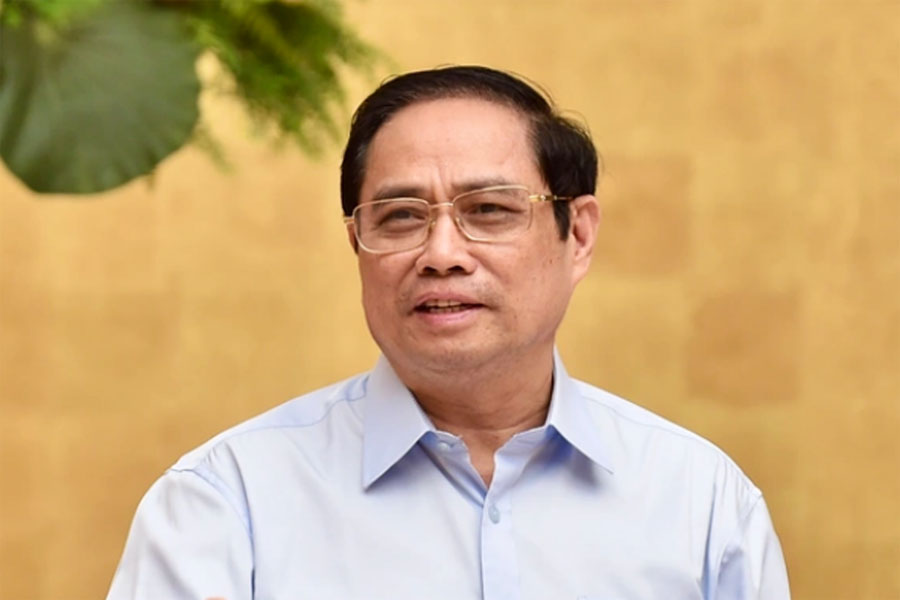
Về quan điểm, thứ nhất, cần coi đào tạo nguồn nhân lực cho ngành công nghiệp bán dẫn là "đột phá của đột phá" trong đào tạo nguồn nhân lực chất lượng cao.
Thứ hai, đa dạng hóa các loại hình đào tạo như: Đào tạo cơ bản, đào tạo lại, đào tạo chuyển đổi, đào tạo kỹ năng, đào tạo kỹ sư, đào tạo tiến sĩ, đào tạo trong nước và ngoài nước, đào tạo thông qua sản xuất kinh doanh.
Thứ ba, đa dạng hóa các nguồn lực cho đào tạo phục vụ ngành công nghiệp bán dẫn, gồm nguồn lực nhà nước, xã hội, nhân dân, phát huy quan hệ Nhà nước - xã hội - thị trường, đẩy mạnh hợp tác công tư trong đào tạo.
Về nhiệm vụ, giải pháp, Thủ tướng nhấn mạnh cần hoàn thiện thể chế cho công tác đào tạo nguồn nhân lực bán dẫn với cơ chế, chính sách ưu đãi, đặc thù.
Tập trung đầu tư cho hạ tầng phục vụ đào tạo nguồn nhân lực bán dẫn, gồm cơ sở đào tạo, nhà trường, phòng thí nghiệm, nơi sản xuất… Đào tạo đội ngũ giáo viên, giảng viên, xây dựng chương trình, giáo trình phù hợp.
Xây dựng phương thức đào tạo cả tiệm cận và đột phá, cả trước mắt và lâu dài. Đồng thời huy động, đa dạng hóa nguồn lực của Nhà nước, nhà trường, doanh nghiệp, hợp tác công tư.
Linh hoạt trong đào tạo nguồn nhân lực
Thủ tướng chỉ đạo, yêu cầu các bộ ngành, các cấp, địa phương, doanh nghiệp, đại học, các chủ thể liên quan căn cứ chức năng, nhiệm vụ, quyền hạn của mình chủ động, tích cực, linh hoạt xây dựng kế hoạch và tổ chức thực hiện hiệu quả các giải pháp cụ thể phát triển ngành nhân lực bán dẫn.
Về các nhiệm vụ cụ thể, Thủ tướng giao Bộ Kế hoạch và Đầu tư rà soát, hoàn thiện, trình cấp có thẩm quyền phê duyệt Đề án "Phát triển nguồn nhân lực ngành công nghiệp bán dẫn đến năm 2030, định hướng đến năm 2050" với cơ chế, chính sách phù hợp; phối hợp với các địa phương trong triển khai; thu hút đầu tư nước ngoài để phát triển ngành công nghiệp vi mạch bán dẫn trong nước.
Bộ Thông tin và Truyền thông khẩn trương trong quý II/2024 trình Thủ tướng Chính phủ phê duyệt Chiến lược phát triển công nghiệp vi mạch bán dẫn Việt Nam đến năm 2030, tầm nhìn 2050.
Bộ Giáo dục và Đào tạo lên kế hoạch đào tạo 50.000-100.000 nhân lực chất lượng cao cho ngành công nghiệp bán dẫn; xây dựng phương án hợp tác, chương trình, giáo trình, hướng dẫn các cơ sở đào tạo, nghiên cứu mở thêm chuyên ngành đào tạo.
Bộ Khoa học và Công nghệ thúc đẩy nghiên cứu, phát triển và chuyển giao công nghệ cho các doanh nghiệp lĩnh vực chip bán dẫn; chỉ đạo, hướng dẫn triển khai thực hiện các nhiệm vụ khoa học công nghệ về ngành công nghiệp bán dẫn.
Các trường đại học, cơ sở giáo dục nghề nghiệp chủ động tham gia và tăng cường hợp tác, liên kết với các doanh nghiệp trong nghiên cứu, đặt hàng, đào tạo; đẩy mạnh hợp tác quốc tế trong đào tạo...