
Critical after surgical complications
A month after the surgery to combine the left heel bone due to a fall, Ms. N.L (68 years old, Cambodian nationality) not only did not recover but also fell into a critical condition. The wound was swollen, oozing thick pus and forming a large abscess that spread along the calf. Although drainage treatment in Cambodia was performed, the infection did not subside but quickly progressed into septicemia and deep septic shock, causing the patient's physical condition to decline.
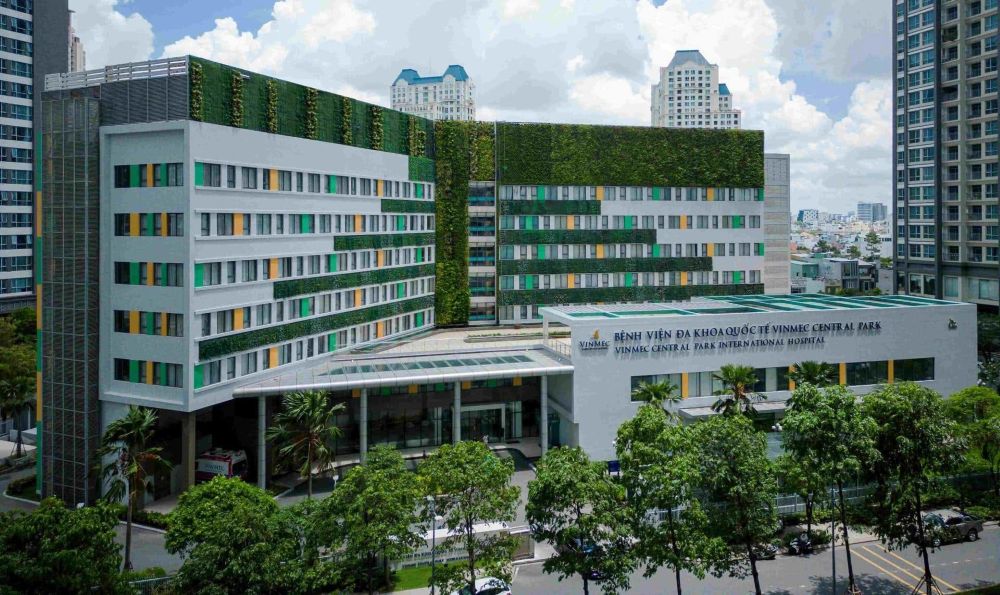
Recognizing the direct threat to life, the family decided to urgently transfer Ms. N.L to Vietnam, placing complete trust in the multi-specialized resuscitation capacity at Vinmec Central Park International General Hospital (Ho Chi Minh City).
Upon admission, the patient was diagnosed with septic shock, post-bend abscess, and also suffered from severe pneumonia causing acute respiratory failure. In addition, the patient also had particularly complex underlying diseases such as myocardial ischémia (with 5 coronary stents placed), hypovolemic heart failure (EF reduction), type 2 diabetes with poor control, Cushing's syndrome and chronic kidney disease. The multiple pathologies caused the patient to face a high risk of death.
MSc.BS Khong Trong Thang - Deputy Professional Director cum Head of the Intensive Care Unit (ICU) of Vinmec Central Park commented: "This is an extremely urgent case. The widespread poisoning on the background of heart failure, kidney failure and acute respiratory failure can cause the patient to die within hours if the source of infection is not controlled and organ resuscitation is not done in time.
Immediately, the comprehensive emergency procedure was activated with the coordination of many specialties.
In the first hour of reception, the patient was given new generation broad-spectrum antibiotics to control infection. At the same time, the Intensive Care Team deployed respiratory support, hemodynamic stabilization and optimal control of acute heart failure.
In parallel with internal medicine resuscitation efforts, the Orthopedic Trauma Surgery team directly implemented by BSCKI Vo Khac Khoi Nguyen conducted an abscess dredging, removed all deep necrotic structures and applied negative pressure aspiration (VAC) technology. This method helps drain pus continuously, reduce edema, prevent reinfection, and stimulate granular tissue growth to prepare for the second skin stitch.
Miraculous resurrection and warning lessons about post-operative infections
Thanks to a comprehensive treatment strategy from evidence-based medicine combined with close monitoring from cardiology, endocrinology, nutrition and functional rehabilitation departments, Ms. N.L miraculously escaped shock. Heart, kidney and respiratory functions gradually stabilized, and infection indicators returned to safe levels.
After the wound was clean of bacteria and granular tissue grew well, doctors proceeded to suture and close the skin, which was successful. On the day of discharge, the patient was completely awake, his physical condition recovered well, the wound healed stably and he could move gently before returning to Cambodia.
Post-operative infection is a dangerous complication, especially in the elderly such as prolonged fever, swelling, heat, redness, pus discharge or gradually increasing pain, patients need to go to specialized medical facilities immediately for timely treatment, avoiding progression to life-threatening septic shock," recommended Vinmec Central Park health experts.
The case once again affirmed the resuscitation capacity, accurate diagnosis ability and effective coordination between specialties at Vinmec Central Park. With a solid professional foundation and a methodical multi-specialized treatment process, the hospital has brought opportunities for recovery to many patients in critical condition, not only in Vietnam but also from countries in the region.


