
Despite being affected by geopolitical tensions in Iran, gold prices are still forecast to set a new peak, reaching the threshold of 5,800 USD/ounce by the end of 2026, according to Nicky Shiels - Head of Metal Research and Strategy at MKS PAMP.
Silver and platinum are also assessed to have many strong price increase opportunities, thanks to a stable supply-demand structure and industrial demand.
In a recent interview, Ms. Shiels said that the war in Iran has "changed but not diverted" the upward trend of gold. "Gold is expected to increase by an average of 4,500 USD/ounce in 2026, with a historical peak of 5,800 USD/ounce in the second half of the year being reasonable. This metal has shifted from the anti-depreciation investment channel, a tool reflecting oil prices in the context of conflict," she said.
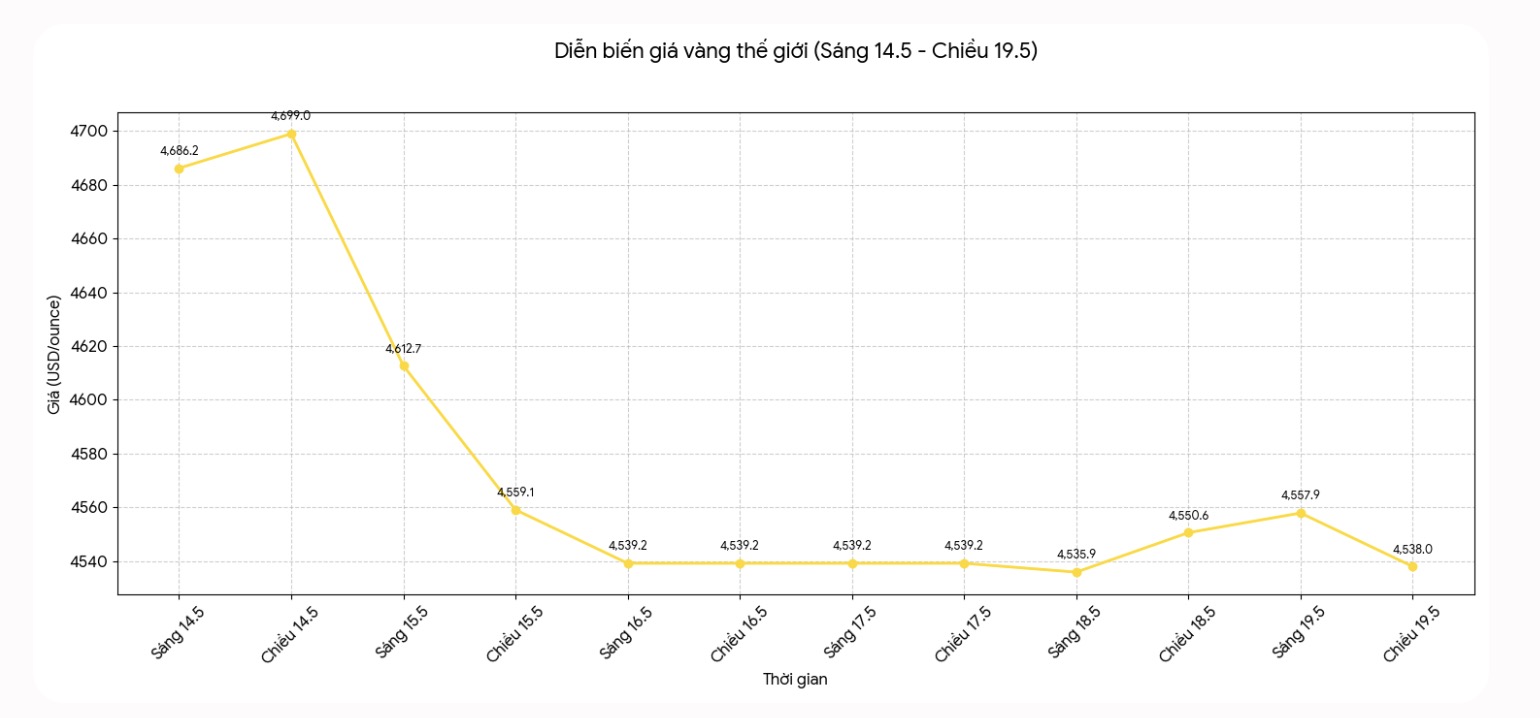
This expert emphasized that in the short term, gold prices below 5,000 USD/ounce are reasonable as oil remains at a high level and physical demand is easing in the summer, but in the second half of 2026, gold is likely to remain above 5,000 USD/ounce.
In the long term, Shiels does not even rule out the possibility that gold will reach 10,000 USD/ounce by 2030 if capital flows from US investors shift strongly from stocks to gold, while the value of real assets continues to increase.
She cited that the global value of gold currently accounts for about 20% of the total stock market value, while history shows it could reach 40%, corresponding to a gold price of 10,000 USD/ounce.
Regarding silver, Shiels believes that this metal has the potential to increase more strongly than gold in the long term thanks to double supply and demand deficits from investment and industry. "Highs above 120 USD/ounce in January may reappear, but to reach an inflation adjustment peak of 200 USD/ounce, consensus from retail capital flows, institutional investors and industrial demand is needed" - she said.
However, she also noted that the Iranian conflict creates stagflationary pressure, which could affect industrial demand – which accounts for more than half of total silver consumption.
Commenting on platinum and palladium, Shiels said that the macroeconomic environment is putting strong pressure, but platinum is assessed to have a breakthrough opportunity thanks to prolonged supply deficits, increased demand from hybrid cars and stability in the jewelry industry.
The developments in January reflected a real combination of many factors: tight supply, tax policies, export disruptions and strategic reserves. Platinum has a sustainable support structure, while palladium depends heavily on policies and car demand," she said.
Shiels also pointed out that factors such as fear of fiscal spending, the weakening of the long-term USD and geopolitical risks are still supporting the upward trend of gold.
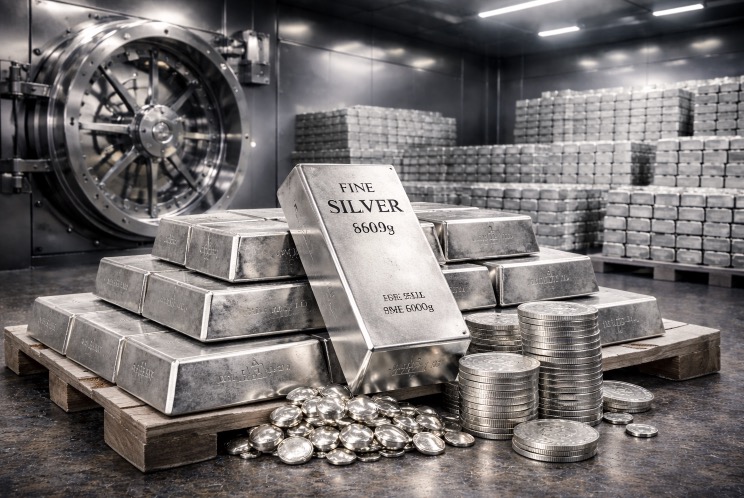
Regarding silver, she emphasized that this is a "high-beta" metal, sensitive to both investment and industrial demand. When retail and institutional capital flows simultaneously rejoin the market, the potential for supply contraction may create strong growth momentum.
Expert MKS PAMP's assessment provides an overview for investors on precious metals, emphasizing the role of geopolitics, supply-demand and institutional capital flows in shaping price trends this year and for the next decade.


