
Gold prices strongly attract global investment capital
Gold prices are increasingly attracting the attention of international investors as large cash flow continues to pour into gold ETF funds. This is seen as a signal that demand for holding precious metals is increasing amid concerns about global public debt and the stability of traditional assets.
According to the World Gold Council (WGC), gold-backed ETFs worldwide recorded inflows of up to $18 billion in August. This is the second largest inflow in the history of this group of funds.
Data from WGC shows that, from the beginning of the year to now, the total capital flow into global gold ETF funds reached 29 billion USD, equivalent to an increase in gold holdings of about 160 tons.
This strong cash flow is taking place in the context of investors seeking assets that can protect their portfolios from risks related to public debt, inflation and currency fluctuations.
The WGC believes that concerns about fiscal sustainability, especially after developments related to the US bond market, have increased demand for gold. When gold prices exceed important technical thresholds, the upward trend may also further stimulate buying activity from institutional investors.
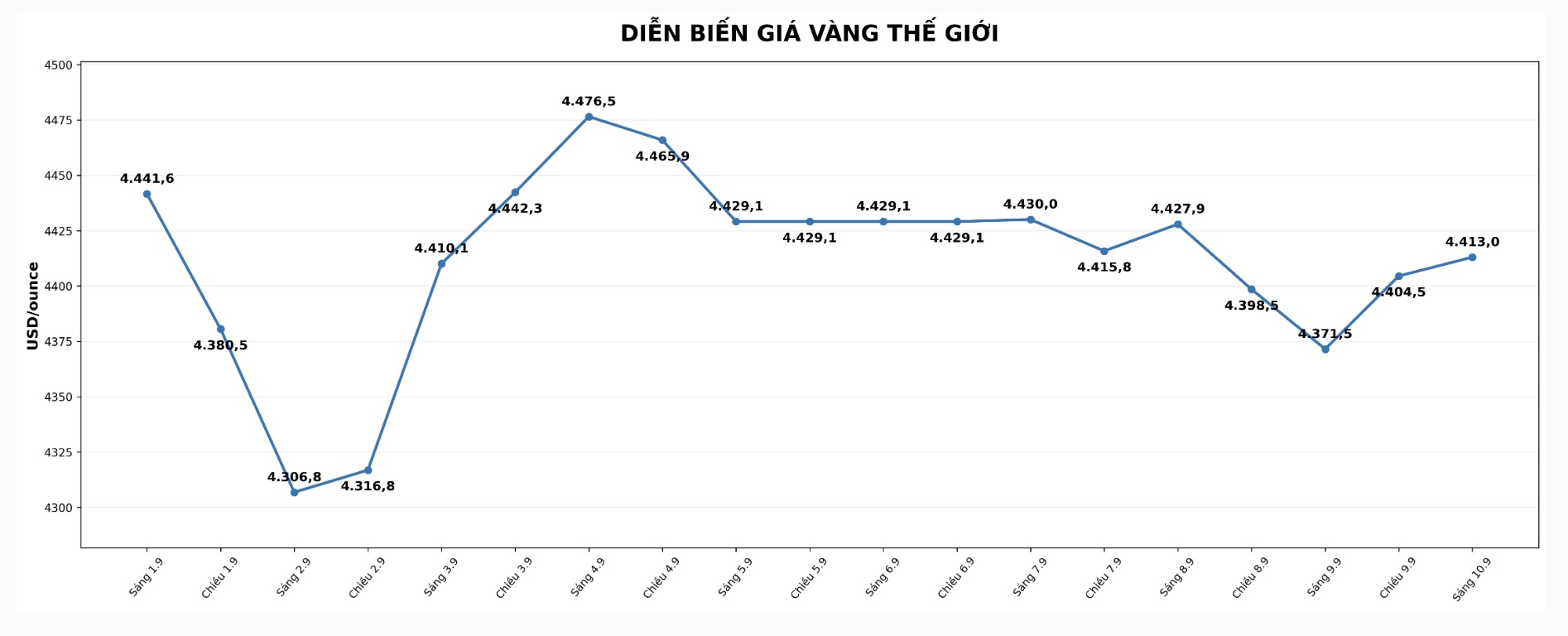
Gold ETFs in the US and Europe lead capital flows
In August, gold ETF funds in North America attracted 7.7 billion USD, becoming the third largest inflow area in history. This new money helped the North American market significantly offset the record withdrawal of 13 billion USD in March, bringing accumulated capital from the beginning of the year back to a positive level.
In Europe, gold ETFs recorded inflows of 7.9 billion USD, the highest level ever recorded in the region.
According to the WGC's assessment, one of the important factors promoting cash flow into gold is the role of portfolio diversification. As government bond yields rise and fiscal risks increase, many investors see gold as an alternative to reduce dependence on debt assets.
Notably, after the adjustment of gold prices in the summer, investors did not reduce their holding ratio but took advantage of the opportunity to rebuild long-term positions. This shows that confidence in the prospects of the precious metal is still maintained at a high level.
In Asia, a region that plays an important role in the gold market, ETFs continue to attract an additional 2 billion USD. China is the leading capital flow when domestic gold prices stabilize, while local bond yields decrease and the stock market maintains sideways has supported gold investment demand.
Gold prices may continue to be supported by public debt risks
In a new report, the WGC believes that the prospect of cash flow investing in gold in the near future will depend on market confidence in the ability to control US government bond yields.
Currently, the yield of 10-year US Treasury bonds is maintained at around 4.83%, the highest in about three years. Rising yields often put pressure on gold due to reducing the attractiveness of assets that do not generate cash flow.
However, if the market doubts the ability to control public debt or believes that intervention measures in the bond market are not convincing enough, gold may continue to benefit.
According to the WGC, in the scenario of market confidence declining, pressure may shift to the USD, real yield and bond risk compensation. These are all factors that can support gold prices in the long term.
In the context of public spending and budget obligations in many major economies continuing to increase, gold is still considered an important defensive tool in the global investment portfolio.
Update on domestic gold prices
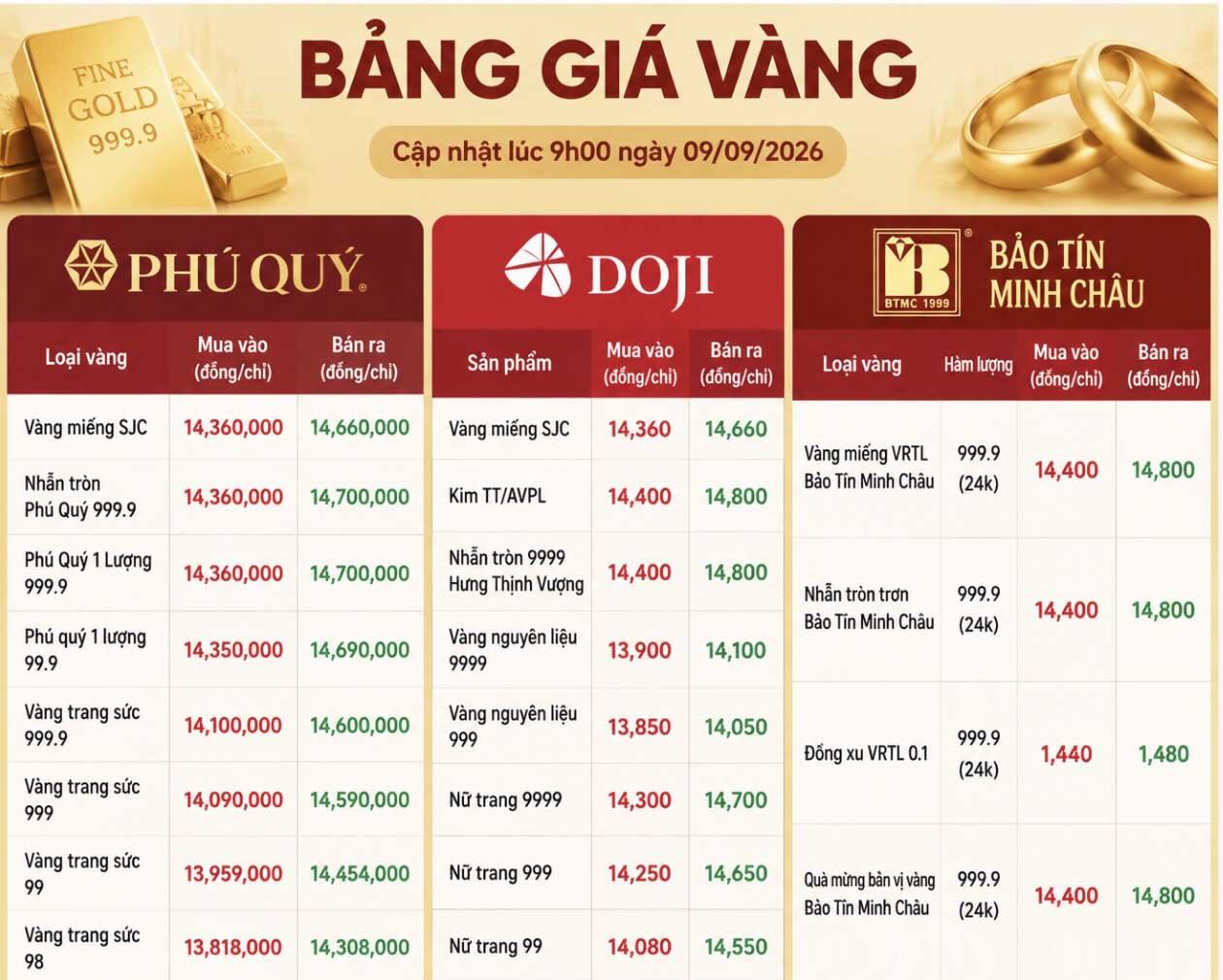
The article only updates the developments of the gold market and factors affecting the price of precious metals, not investment recommendations.


