Mối đe dọa có thực
Khi băng vĩnh cửu tan ra làm lây lan đại dịch do mầm bệnh từ xa xưa là điều có rủi ro thấp.
Tuy nhiên, các nhà khoa học cho rằng, nhân loại đang đánh giá không đúng mức về khả năng này, CNN thông tin.
Chất thải hóa học và phóng xạ có từ thời Chiến tranh Lạnh, có khả năng gây hại cho động vật hoang dã và phá vỡ hệ sinh thái, cũng có thể được giải phóng trong quá trình băng tan.
Kimberley Miner, nhà khoa học khí hậu tại Phòng thí nghiệm Sức đẩy Phản lực NASA tại Viện Công nghệ California ở Pasadena, California, Mỹ, cho biết: “Có rất nhiều điều đáng lo ngại đang xảy ra với lớp băng vĩnh cửu và thực sự cho thấy tầm quan trọng của việc chúng ta phải giữ càng nhiều lớp băng vĩnh cửu càng tốt".
Lớp băng vĩnh cửu bao phủ 1/5 Bắc bán cầu, đã củng cố vùng lãnh nguyên Bắc Cực và các khu rừng phương bắc của Alaska (Mỹ), Canada và Nga trong nhiều thiên niên kỷ.
Lớp băng vĩnh cửu giống như viên nang thời gian, bảo quản các loại virus cổ đại, xác ướp của một số loài động vật đã tuyệt chủng.
Các nhà khoa học đã khai quật và nghiên cứu một số xác ướp động vật trong những năm gần đây, bao gồm 2 con sư tử hang và 1 con tê giác lông mượt.
Băng vĩnh cửu là phương tiện lưu trữ tốt không chỉ vì lạnh mà bởi đó là môi trường không có ôxy mà ánh sáng không xuyên qua được.
Nhưng nhiệt độ ở Bắc Cực ngày nay đang nóng lên nhanh hơn 4 lần so với phần còn lại của hành tinh, làm suy yếu lớp băng vĩnh cửu trên cùng.
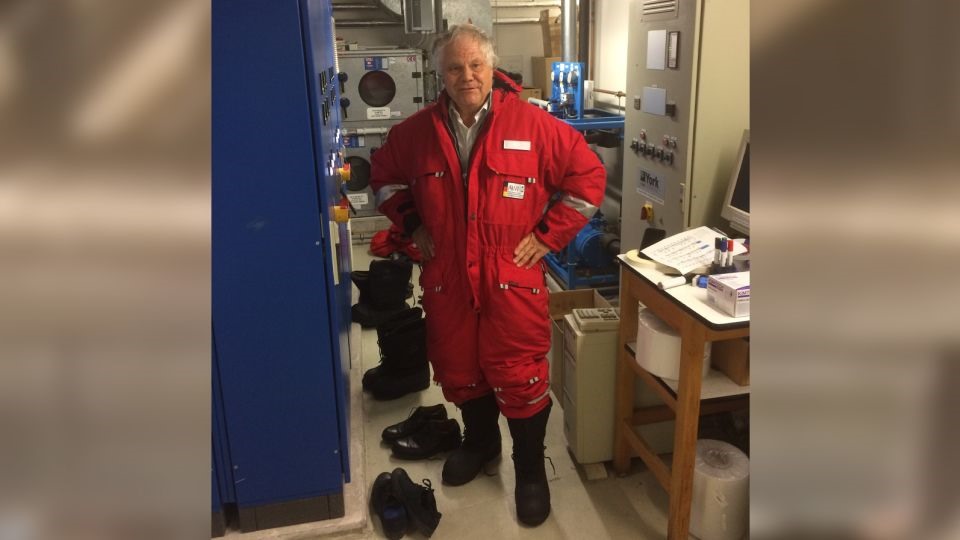
Để hiểu rõ về những rủi ro mà virus đóng băng gây ra, Jean-Michel Claverie - giáo sư danh dự về y học và bộ gene tại Trường Y Đại học Aix-Marseille ở Marseille, Pháp - đã thử nghiệm các mẫu đất lấy từ băng vĩnh cửu ở Siberia để xem có hạt virus nào trong đó vẫn có khả năng lây nhiễm hay không.
Ông tìm kiếm thứ mà ông gọi là những virus "zombie" và đã tìm thấy một vài virus này.
Thợ săn virus
Giáo sư Claverie nghiên cứu 1 loại virus cụ thể mà ông phát hiện lần đầu tiên năm 2003.
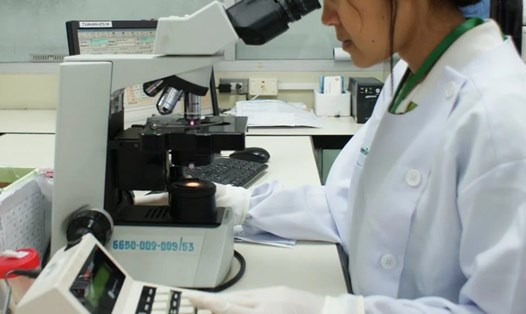
Được gọi là virus khổng lồ, chúng lớn hơn nhiều so với virus thông thường và có thể quan sát được dưới kính hiển vi ánh sáng thông thường chứ không cần kính hiển vi điện tử.
Những nỗ lực của ông nhằm phát hiện virus bị đóng băng trong lớp băng vĩnh cửu được truyền cảm hứng một phần từ nhóm các nhà khoa học Nga.
Trước đó, năm 2012, các nhà khoa học Nga đã hồi sinh loài hoa dại từ mô hạt 30.000 năm tuổi được tìm thấy trong hang của một con sóc.
Kể từ đó, các nhà khoa học cũng thành công trong việc hồi sinh các động vật cực nhỏ thời cổ đại.
Năm 2014, ông đã tìm cách hồi sinh một loại virus mà ông cùng nhóm cộng sự đã phân lập được từ băng vĩnh cửu, khiến virus có thể lần đầu lây nhiễm sau 30.000 năm trong băng vĩnh cửu bằng cách đưa virus vào tế bào nuôi cấy.
Để đảm bảo an toàn, ông chọn nghiên cứu loại virus chỉ có thể nhắm vào amip đơn bào, không phải động vật hay con người.
Ông lặp lại thành quả này vào năm 2015 khi phân lập một loại virus khác cũng nhắm mục tiêu amip. Và trong nghiên cứu mới nhất công bố vào ngày 18.2 năm nay trên tạp chí Viruses, giáo sư Claverie và cộng sự đã phân lập được một số chủng virus cổ đại từ nhiều mẫu băng vĩnh cửu lấy từ 7 nơi khác nhau trên khắp Siberia.
Những chủng mới nhất được hồi sinh đại diện cho 5 họ virus mới, ngoài 2 họ virus mà ông đã hồi sinh trước đó.
Trong 5 chủng, mẫu lâu đời nhất gần 48.500 năm tuổi, được lấy từ mẫu đất ở một hồ nước ngầm sâu 16m. Mẫu trẻ nhất, được tìm thấy trong dạ dày và da của một con voi ma mút lông xoăn đã 27.000 năm tuổi.
Giáo sư Claverie nói rằng, virus lây nhiễm amip vẫn lây nhiễm sau một thời gian dài là dấu hiệu của một vấn đề tiềm ẩn lớn hơn.
Ông lo ngại mọi người coi nghiên cứu của mình là một sự tò mò khoa học và không đánh giá đúng mối đe dọa nghiêm trọng với sức khỏe cộng đồng khi virus cổ đại sống lại.
“Chúng tôi coi những virus lây nhiễm amip này là đại diện thay thế cho tất cả các virus khả thi khác có thể tồn tại trong lớp băng vĩnh cửu" - ông Claverie nói.
Giáo sư Trường Y Đại học Aix-Marseille chia sẻ thêm: “Chúng tôi thấy dấu vết của rất, rất nhiều loại virus khác. Vì vậy, chúng tôi biết virus đang ở đó. Chúng tôi không biết chắc chắn là những virus đó có còn sống hay không nhưng lập luận của chúng tôi là nếu virus amip vẫn còn sống thì không có lý do gì những virus khác không còn sống và có khả năng lây nhiễm cho vật chủ chứa virus".