Các nhà khoa học cho biết, một tảng băng trôi có diện tích gần gấp ba lần diện tích của Thành phố New York (Mỹ) đã tách ra khỏi đáy đại dương và bắt đầu trôi về phía bắc tới cái gọi là “hẻm băng trôi”.
Tảng băng trôi có tên A23a là tảng băng lớn nhất thế giới với diện tích khổng lồ 4.000 km2. Nó tách khỏi bờ biển Nam Cực vào năm 1986 nhưng nhanh chóng nằm ở biển Weddell, biến khu vực này thành một hòn đảo băng khổng lồ.
Tuy nhiên, sau khi ở lại đây khoảng 37 năm, các nhà khoa học đã xác nhận hôm 24.11 rằng, hình ảnh vệ tinh cho thấy, khối băng nặng hàng nghìn tỉ tấn đang trôi về phía bắc qua bán đảo Nam Cực, được hỗ trợ bởi gió mạnh và dòng hải lưu.
Một tảng băng trôi có kích thước như thế đang di chuyển là cảnh tượng hiếm thấy đối với các nhà nghiên cứu sông băng.
“Theo thời gian, nó có lẽ chỉ mỏng đi một chút và có thêm một chút sức nổi để nổi lên khỏi đáy đại dương và bị dòng hải lưu đẩy đi” - Reuters dẫn lời Oliver Marsh thuộc Cơ quan Khảo sát Nam Cực của Anh cho hay.
Tại sao tảng băng lâu đời nhất trên hành tinh lại tách ra và trôi dạt cho đến nay vẫn còn là một bí ẩn.
Tiến sĩ Andrew Fleming, đồng nghiệp của Marsh, nói với BBC, tảng băng tách ra từ năm 1986 và cuối cùng đã giảm kích thước đủ để mất độ bám và bắt đầu di chuyển. Tiến sĩ Fleming cho biết, từ năm 2020, ông đã ghi nhận những dấu hiệu nhận biết về việc băng sẽ trôi.
Giống như hầu hết tảng băng trôi trong khu vực, A23a rất có thể sẽ di chuyển vào dòng hải lưu Nam Cực, từ đó sẽ đưa nó tới “hẻm băng trôi” - nơi một số tảng băng trôi tương tự tụ tập trong vùng nước tối - chẳng hạn như tảng băng trôi đã va chạm vào năm 1912 với tàu Titanic khiến tàu bị chìm, làm 1.517 người thiệt mạng.
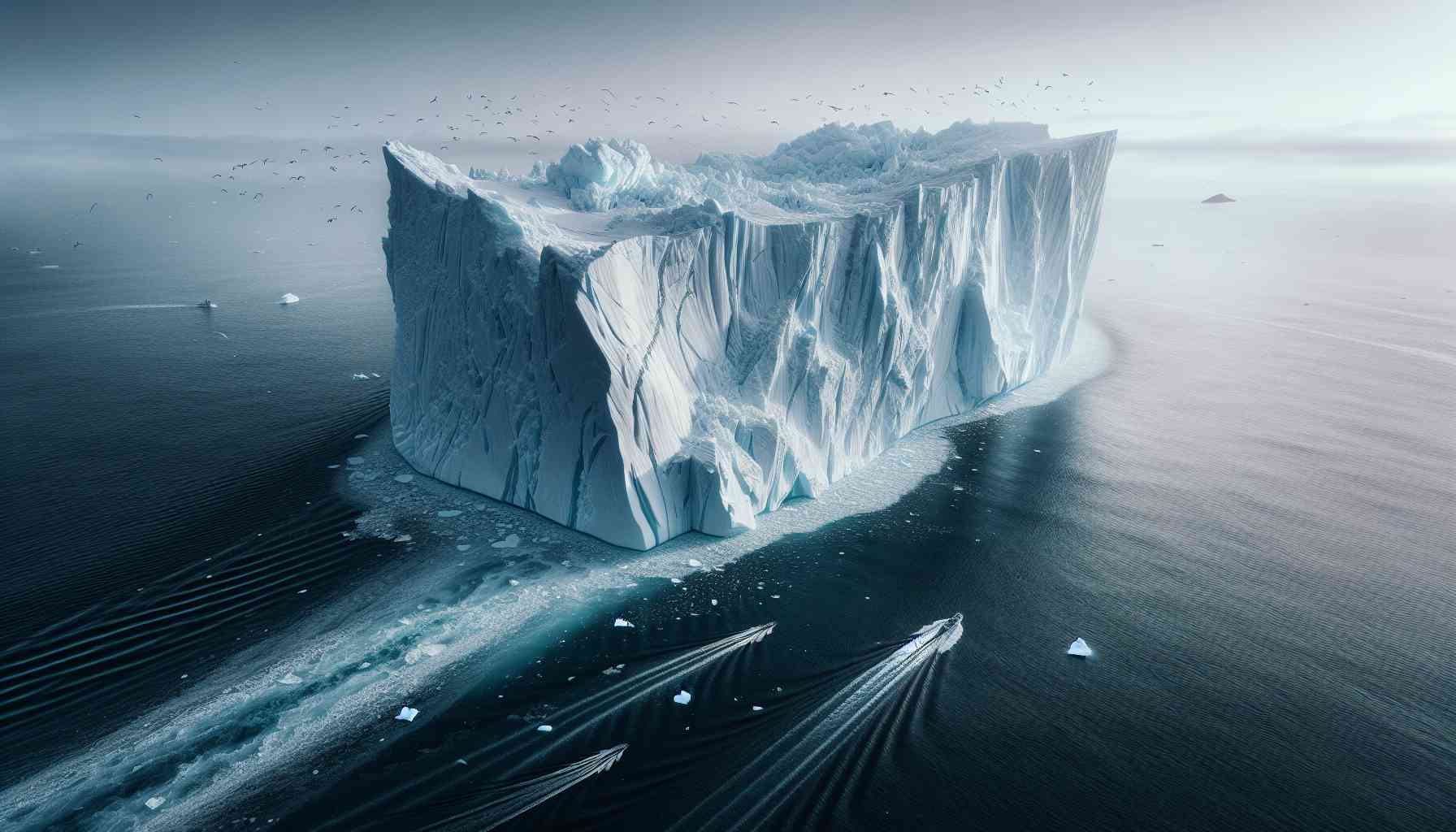
Tuy nhiên, các nhà khoa học lo ngại rằng, tảng băng trôi khổng lồ một lần nữa có thể rơi xuống đảo Nam Georgia ở Nam Đại Tây Dương, có khả năng tàn phá động vật hoang dã ở Nam Cực bằng cách cắt đứt khả năng tiếp cận của hàng triệu hải cẩu, chim cánh cụt và chim biển sử dụng khu vực này để sinh sản hoặc săn bắt đồ ăn.
Giống như tất cả tảng băng trôi, số phận cuối cùng của A23a sẽ khiến nó tan biến thành hư vô - nhưng một tảng băng khổng lồ như thế này có thể mất nhiều thời gian để làm được điều đó, có khả năng khiến nhiều người đau đầu hơn sau này.
Marsh nói với Reuters: “Một tảng băng trôi với quy mô như thế này có khả năng tồn tại khá lâu ở Nam Đại Dương mặc dù nó ấm hơn nhiều. Nó có thể di chuyển xa hơn về phía bắc tới Nam Phi, làm gián đoạn hoạt động vận chuyển”.