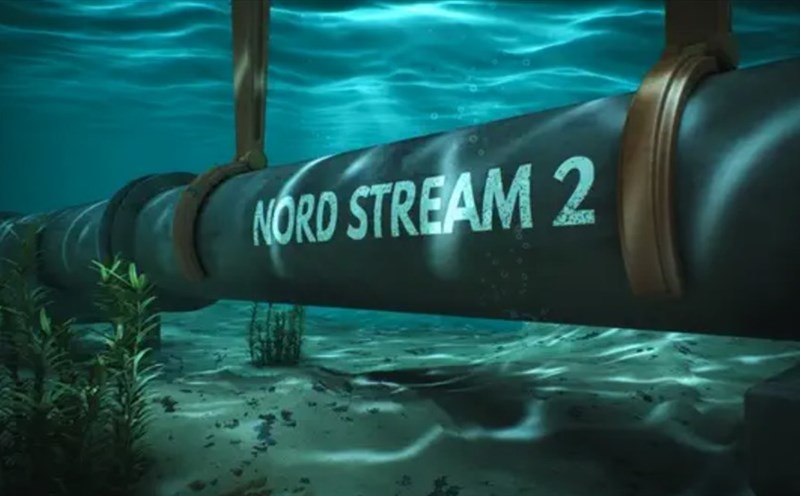
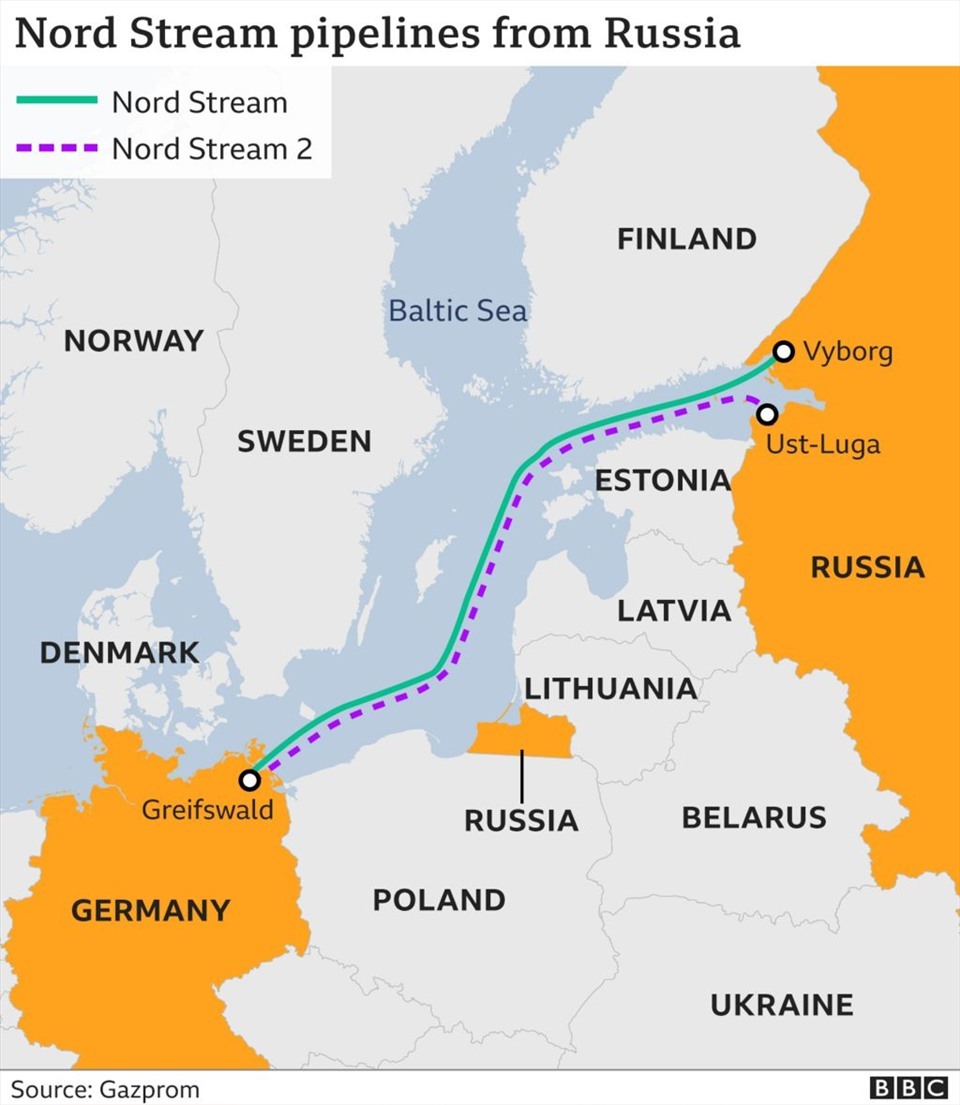
Năm 2019, Nord Stream 2 AG - nhà điều hành dự án đường ống dẫn khí Nord Stream 2 từ Nga sang Đức qua Biển Baltic, do tập đoàn dầu khí Gazprom đứng đầu - đã kháng cáo lên toà án Châu Âu để huỷ bỏ các quy tắc mới của EU về vận chuyển khí đốt.
Bloomberg đưa tin, Nord Stream 2 đã giành chiến thắng bước đầu trong cuộc chiến pháp lý sau khi tòa án cấp cao nhất của EU tuyên bố chấp nhận kháng cáo.
Trước đó, trong đơn kháng cáo năm 2019, nhà điều hành đường ống nêu rõ, sự thay đổi trong luật khí đốt của EU được soạn thảo và thông qua với mục đích gây bất lợi cho những người thực hiện đường ống dẫn khí Nord Stream 2.
Luật sửa đổi khí đốt của EU áp đặt các quy tắc của nội khối Châu Âu về giá, cách tiếp cận cơ sở hạ tầng của bên thứ ba và sự tách biệt các hoạt động giữa nhà cung cấp và nhà mạng cho cả các đường ống dẫn khí từ một quốc gia bên ngoài (cụ thể từ Nga).
Dự án Nord Stream 2 - do Gazprom đứng đầu và liên kết với các nhà thầu Châu Âu: Wintershall và Uniper của Đức, Dutch Shell, Engie của Pháp và OMV của Áo - không đáp ứng với những quy tắc trên. Vào đầu tháng 3.2019, hơn 800km trong tổng số 1.200km đường ống dẫn khí nối Nga và Đức, đã được xây dựng.
Sau nỗ lực tìm kiếm thoả thuận hoà giải với Uỷ ban Châu Âu thất bại, Nord Stream 2 AG quyết định thực hiện hành động pháp lý. Toà sơ thẩm Châu Âu vào năm 2020 đã bác bỏ các tuyên bố của Nord Stream 2 AG là không thể chấp nhận được.
Ngày 12.7.2022, Tòa án Công lý - toà án tối cao của Liên minh Châu Âu giải quyết những vấn đề liên quan đến các vấn đề luật pháp của tổ chức này - đã ra phán quyết mới nhất, nói rằng Toà sơ thẩm đã sai khi cho rằng Nord Stream 2 AG không liên quan trực tiếp đến luật gây tranh cãi. Tòa án Công lý đã trả lại vụ việc cho Toà sơ thẩm Châu Âu để đưa ra phán quyết về nội dung của vụ kiện.
Mặc dù phán quyết mang lại lợi ích cho Nord Stream 2, nhưng tác động của phán quyết trong thời điểm hiện tại có thể không còn ý nghĩa. Chiến dịch quân sự của Nga ở Ukraina khiến Đức rút lại sự ủng hộ đối với dự án.
Nord Stream 2 được thiết kế để tăng gấp đôi công suất vận chuyển khí đốt lên 55 tỉ mét khối mỗi năm từ các mỏ khí đốt của Nga đến Châu Âu qua Biển Baltic. Đường ống này là nguồn gây xích mích lớn trong quan hệ xuyên Đại Tây Dương trong vài năm.
Nord Stream 2 đã được xây xong từ tháng 9.2021 và sẵn sàng bắt đầu vận chuyển khí đốt từ tháng 12.2021. Sự chấp thuận của cơ quan quản lý năng lượng Đức và các quan chức EU là rào cản cuối cùng đối với dự án, nhưng Đức đã từ chối cấp phép vào tháng 2 năm nay. Do vậy, đến nay Nord Stream 2 vẫn chưa đi vào hoạt động.
Vào tháng 5, tập đoàn dầu khí Nga Gazprom cho biết sẽ sử dụng một phần cơ sở hạ tầng của Nord Stream 2 để phục vụ khách hàng trong nước. Gazprom có kế hoạch sử dụng các cơ sở trong đất liền của Nord Stream 2 ở Nga để mở rộng nguồn cung cho khách hàng ở phía tây bắc đất nước.