
Avigail Sharon, 21 years old, shared with the US media that when she received a call from a close friend, she did not say "Hello" but used "Bello", then chatted with her friend in "Minion".
Sophia Perez, 22 years old, even often remains silent when receiving calls from strange numbers. She answers the phone and waits for someone on the other end of the line to speak up first. This habit appeared after she heard a warning about spam calling bots that could record and take advantage of voice for fraud purposes.
When they know who is calling before picking up the phone, a part of young people no longer consider "Hello" as the mandatory part of the call. Instead, they use flexible openings such as "Hi", "Yo", "What's up?", "Where are you?"...
When "Alo" is no longer a mandatory greeting
Linguistic researcher Griffin Bassett believes that this change may be related to smartphones and caller recognition features. Once they know who the person on the other end of the line is, users do not necessarily have to start with a greeting to identify or create a context for the conversation.
In addition, communication now takes place continuously via text messages, emails, social networks and voicemails. A call is sometimes just a continuation of a conversation that has begun before. A group of 17-year-old teenagers in New York also said they prefer to send voicemails to calls.
A 2024 YouGov survey of 2,005 adults in the UK showed that 40% of people aged 18-24 do not think that answering or ending a call without saying "Hello" or "Goodbye" is a problem. This rate is only 14% in the 55-year-old group.
Social skills expert Myka Meier once asked 30 teenagers aged 15-16 at a class in New York about how to answer the phone. About 1/3 said they didn't say hello first, partly because they didn't completely trust the person on the other end of the line.
According to Meier, this reaction is understandable in an era filled with garbage content created by AI, phone scams and many other forms of digital fraud.
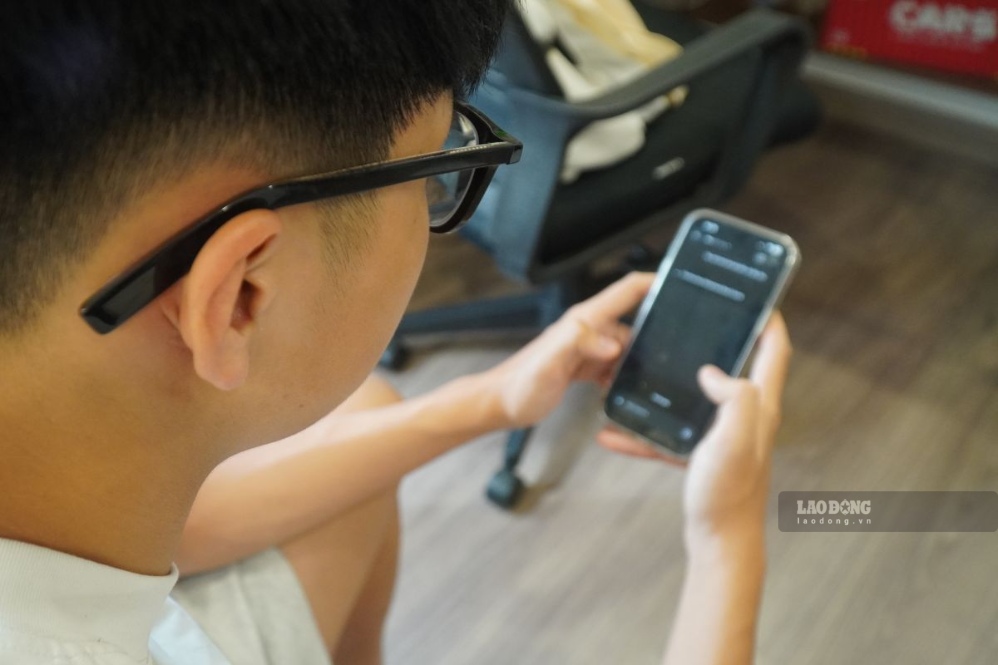
Giving up greetings to being shy about answering the phone
Not only giving up greetings, a part of young people also tend to avoid calls. In South Korea, this phenomenon is often called "Call phobia", referring to feeling stressed, anxious or uncomfortable when having to answer or make a call.
According to a survey by the Alba Heaven platform in 2024 with 765 Z generation people, 40.8% said they experienced symptoms of "Call phobia", up from 30% in 2022 and 35.7% in 2023.
Among the common manifestations, 68.3% of people said they felt stressed and anxious before answering the phone; 54.2% tended to delay or not answer the call; 48.7% were anxious about what they would say or had said in the conversation.
Notably, 73.9% of respondents prioritize communicating by text message or messaging applications, while only 11.4% prioritize calling. This trend shows that for a part of Gen Z, text communication brings a sense of proactiveness and less pressure than having to respond immediately via phone.
The above changes show that the way of communicating via phone is gradually changing. From ignoring greetings, using separate openings to avoiding calls, phone calls with a part of young people are no longer the default means of communication as before.


