
Unforgettable flood
At noon on November 18, 2025, after sending the first news bulletin recording the flood situation in Gia Lai to the editorial office, I stood leaning under the eaves of a house by the roadside. The rain was still pouring down on the corrugated iron roof. The phone in my hand had not yet dried when the bell rang continuously.
On the other end of the line was the voice of his older brother from his hometown - Tay Hoa district, former Phu Yen province, now Tay Hoa commune, Dak Lak province - swaying through weak waves: "At the state level, the roads are starting to flood.
I quickly asked a few questions. Knowing that I was still okay at home, I continued to go into the flooded area to work. Because growing up in the flood center of the Central region, flooding is no longer strange. In the afternoon, the first news bulletins about floods in Gia Lai were broadcast. Taking advantage of the break, I called home.
Water has begun to flood into the porch. The whole family is busy putting furniture up high, preparing food and drinking water like previous rains and floods. The rain lasted throughout the night of November 18, water from upstream poured in more and more. My whole family planned to evacuate the next morning if the water continued to rise.
Floodwaters don't wait until morning
In the early morning of November 19, a video call from the hometown appeared on the phone screen. The water was deeply submerged in the house, things floating in the silver water. The road in front of the house disappeared. It was too late to evacuate.
The young child - only 5 years old - suddenly had a fever amidst floodwaters surrounding all sides. From Gia Lai, I continuously called the locality for help. On the other end of the line, a commune leader said that many roads have been cut off, and rescue forces are prioritizing access to deeply flooded areas with elderly people and young children trapped. "You try to wait a little longer," the commune leader reassured.
Every time I called home afterwards, I saw the floodwaters rising higher. The familiar house became cramped in the floodwaters all around. The grandchild lay dozing off on a folding table, shivering with fever.
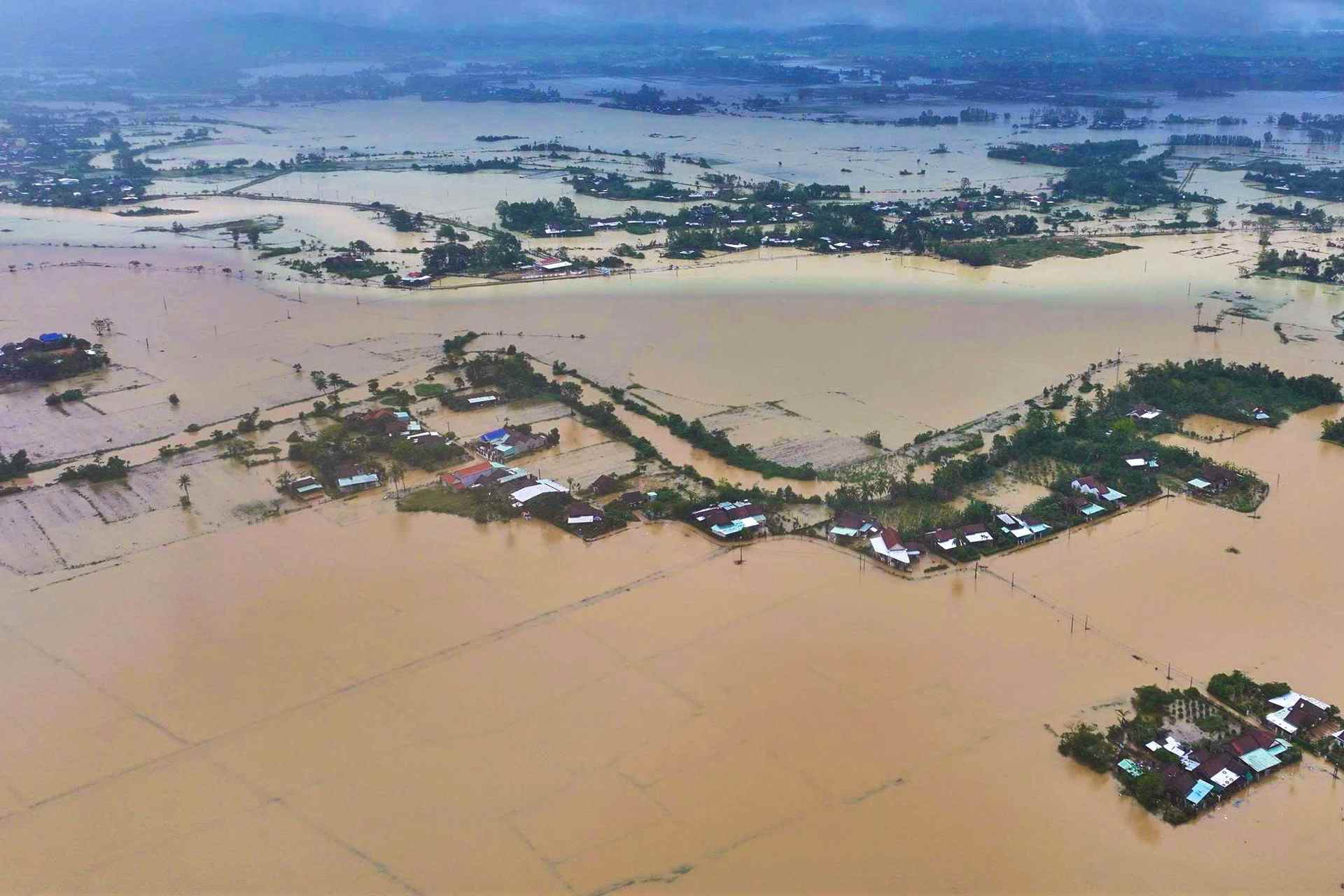
In the flood-stricken area of Gia Lai, I still stayed at the scene, continuously sending news from deep flooded points to the editorial office. In the distance, on the precarious roofs in the sea of water, people trembled and waved for help, waiting for functional forces to approach.
By the afternoon of November 19, information that hydropower reservoirs continued to increase discharge flow downstream was released, with a flow rate of more than 15,000 m3/second - a record high. I called home. The water was still rising rapidly, the worry on my brother's face could no longer be hidden.
The sky is bright...
Prolonged power outage, the power bank in the house also gradually ran out. The calls afterwards became fleeting. Each time I called, I only had time to ask: "How far has the water flooded, how are the children doing?". Then I repeatedly instructed: "If the water rises again, break the roof, bring the whole house to the roof".
On the other end of the line, my brother just replied briefly: "I know", then said in a more urgent tone: "You have to save battery so you can call when needed", then hung up. In the heart of Gia Lai flood, I thought I might lose contact with my family.
In the middle of the night of November 19, my older brother called back. The water rose too quickly, the house was nearly 2 meters deep. The whole family was forced to break the tiles and climb onto the roof to avoid the flood.
That night, social networks were flooded with cries for help. Addresses, phone numbers, and locations of stranded people were continuously shared across the network. In some places, water had overflowed the porch, people huddled on the roof waiting for rescue. There were messages and the last recordings that made people haunted and choked up in the middle of the night.
My whole family was still struggling in the flood peak, I continued to call for help from the local authorities. But amidst the raging water, rescue forces could not reach many areas, including where my family was trapped.
Staying on the roof all night, the bone-chilling cold interrupted my brother's voice. Through the screen, there was only darkness, the sound of torrential rain and the sound of water flowing non-stop. "The water has stopped, it's not rising fast anymore. Wait until morning for rescue," my brother said, his voice hoarse.
As the sky gradually brightened, I received news from the rescue force: The canoe has approached, the whole family has been taken to a safe place. I felt relieved.
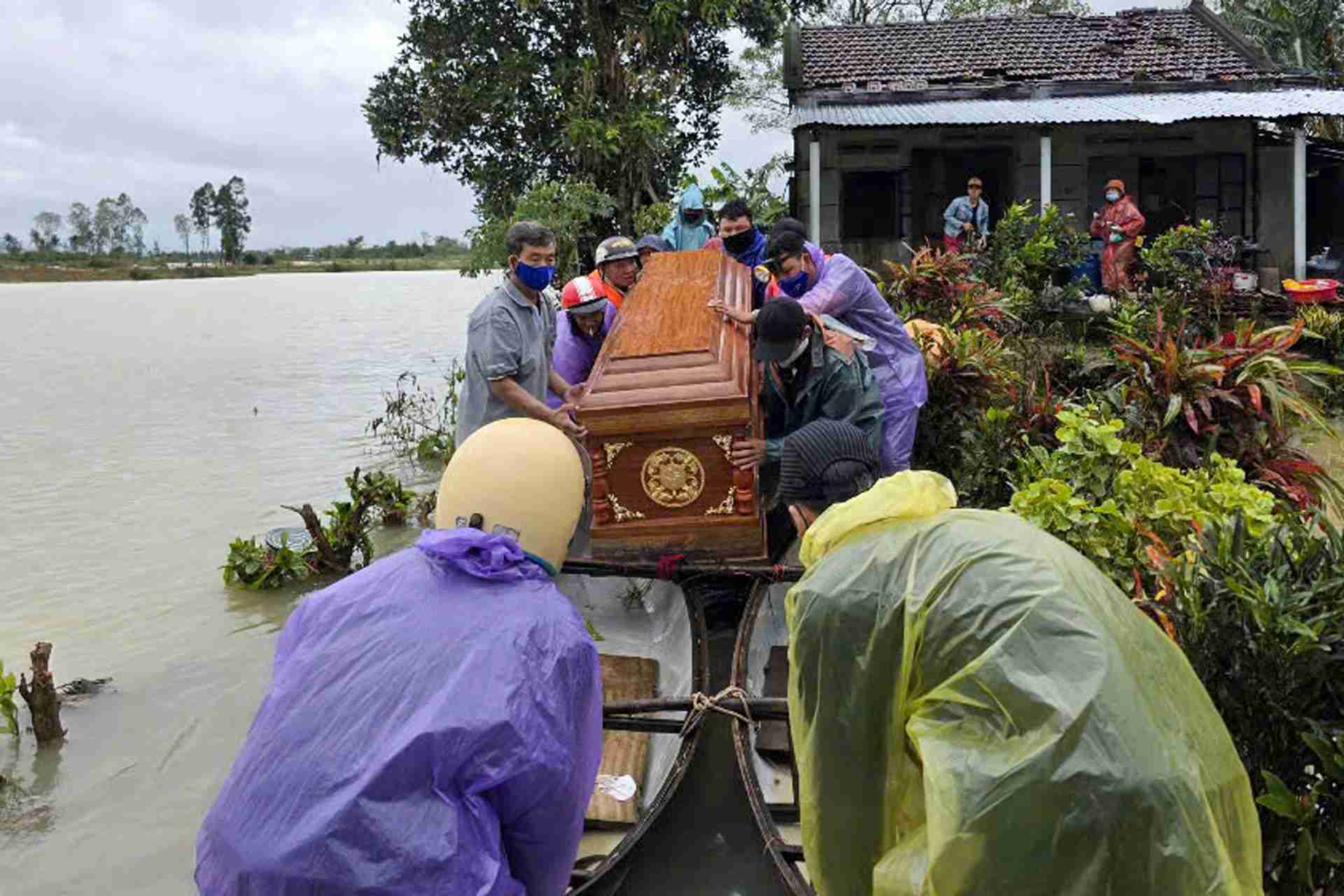
But in my hometown - the flood center of Hoa Thinh - the scene after the flood is much heavier. The water recedes, leaving thick mud and soil, houses are dilapidated, and property is washed away. There are families who have nothing left to clean up except losses.
After each flood, people often need rice, drinking water, and necessities. But in Hoa Thinh countryside, many families need coffins to take care of funeral arrangements for unfortunate relatives.
The terrible flood night has passed, but traces are still in the mud, in the dilapidated roofs and the eyes of those left behind. In Dak Lak, the historic flood killed more than 100 people, thousands of houses were swept away, collapsed or damaged, livestock and poultry were swept away... Total damage amounted to trillions of VND.
Throughout my career, I have witnessed many storms and floods passing through the Central region. But there are floods, people not only remember how high the water is, how long it will be flooded, how much damage it will cause... but also are haunted by intermittent calls in the middle of the night, where every sound of the bell can be bad news.


