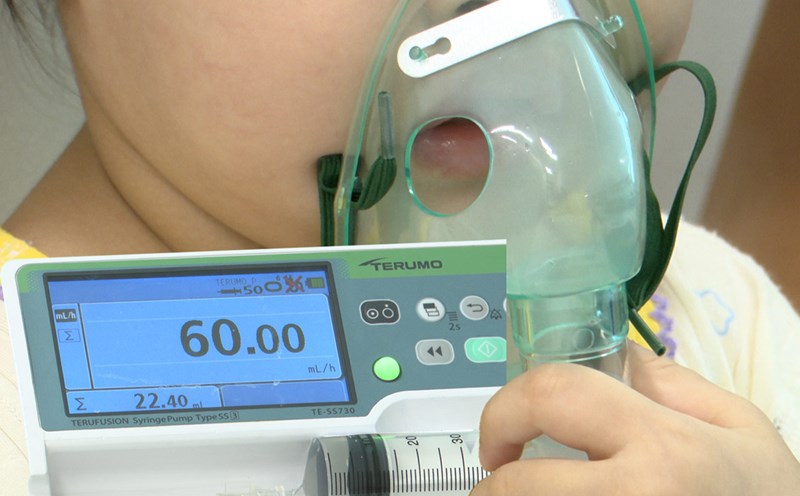
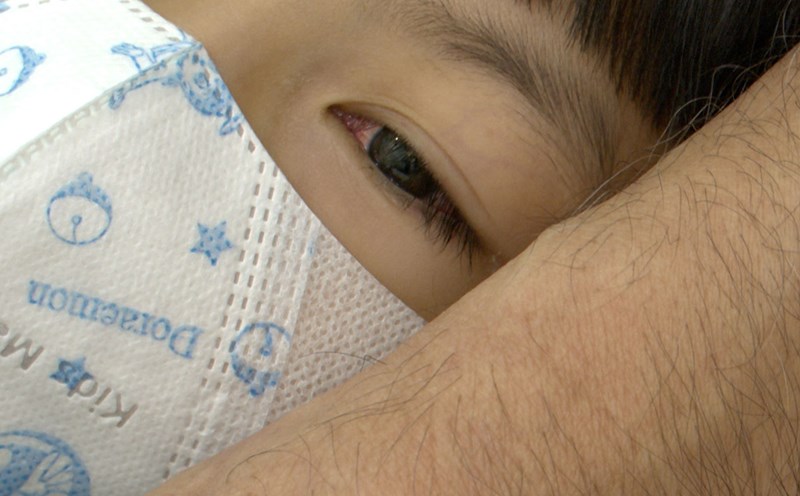
Since the beginning of the year, the National Children's Hospital has recorded 2,777 positive cases for Adenovirus, 3 times higher than the same period in 2025. In the first days of July 2026 alone, the hospital received an additional 383 children with the disease, showing that the number of cases is tending to increase rapidly.
Adenovirus is a common virus that can cause disease all year round but usually increases during transitional seasons or summer, when children participate in many outdoor activities and are frequently exposed to crowds.
The virus is mainly transmitted through the respiratory tract when the patient coughs, sneezes, or has close contact. Adenoviruses can also be transmitted through the digestive tract, eye mucous membranes, surfaces, personal items, or unhygienic domestic water sources.
When children swim in contaminated water sources, viruses can enter through the eye mucosa. Sharing towels, drinking cups and personal belongings also increases the risk of infection. Incubation usually lasts from 8-12 days.
The disease easily breaks out in places where children are concentrated such as schools, extracurricular classes, playgrounds and public swimming pools. Notably, the hospital has just recorded a group learning to swim at a public swimming pool with 4/5 children infected with Adenovirus.
According to doctors, this case shows that swimming pools can become a favorable environment for viruses to spread if water quality, hygiene conditions and density of participants are not reasonably controlled.
The symptoms of the disease are quite diverse, most common are high fever, cough, sore throat, conjunctivitis, also known as pinkeye, and digestive disorders. Many children, especially older children, may have continuous high fever and poor response to common fever-reducing medications.
If not monitored, detected and treated properly, some cases may progress severely, causing pneumonia complications and requiring hospitalization for treatment.
To proactively prevent disease, experts recommend that parents take children to medical facilities in a timely manner when children have a high fever that is difficult to lower, prolonged cough, red eyes or signs of digestive disorders. Children need to be examined, tested to determine the cause and closely monitor the progression of the disease.
Parents should not arbitrarily give children medicine or use antibiotics at home without a doctor's prescription.
When children have symptoms of illness, fever, cough, pinkeye or digestive disorders, parents should let children rest at home, temporarily stop at public swimming pools and limit going to crowded places. This helps children recover and avoids the risk of spreading the source of the disease to other children.
Facilities and locations with a large concentration of children such as schools, playgrounds and public swimming pools need to regularly clean and disinfect water sources, spaces and shared surfaces.
The management unit also needs to ensure a ventilated and clean environment, control water quality and maintain a reasonable population density, thereby limiting the risk of Adenovirus cross-infection in the community.