
Resolution No. 80-NQ/TW of the Politburo identifies the development of the cultural industry as one of the new growth drivers of the economy, with the goal of contributing about 7% of GDP by 2030.
To realize this goal, besides perfecting institutions and policies, many experts believe that it is necessary to form businesses with sufficient capacity to lead the market, create high value-added products and bring Vietnamese intellectual property to the world.
Leading enterprises decide the competitiveness of the cultural industry
According to Mr. Dinh Ba Thanh - Chairman and founder of DatVietVAC (producer of the Anh trai say hi, Em xinh say hi show series), policies can pave the way for the development of an economic sector, but for that sector to be competitive in the global market, pioneering businesses need to play a leading role.
If there is no cultural industrial unicorn, there will be no globally competitive cultural industry," Mr. Thanh emphasized.
According to him, over the years Vietnam has proven its capacity to produce entertainment programs with great spread, attracting millions of viewers and creating strong effects on digital platforms. However, if it only stops at processing formats or exploiting revenue once from programs, the value created is still very limited.

He believes that the difference between an entertainment industry and a cultural industry lies in the ability to create intellectual property.
What determines long-term competitiveness is not the number of programs produced, but the ability to own intellectual property (IP), develop a fan community and expand intellectual property into many different fields," he said.
According to Mr. Thanh, when a program, a character or a story becomes an IP, its value does not stop at one broadcast season but can continue to be exploited in cinema, music, video games, fashion, tourism, commerce, consumer goods and many other fields. It is this ability to expand the value chain that creates sustainable competitiveness for the cultural industry.
This is also the direction that many countries have chosen to turn culture into soft power and economic development momentum.
Citing experience from Korea, Mr. Thanh said that the success of K-Culture comes not only from BTS, cinema or famous television programs but also from businesses with the ability to create IP, artist management, build a fan community and expand the value chain to music, cinema, fashion, tourism, consumption and many other fields.
Businesses like HYBE focus on investing in intellectual property and fan ecosystems instead of physical infrastructure. This has contributed to the formation of'cultural industrial unicorns', making K-Culture the foundation of Korean soft power," Mr. Thanh analyzed.
According to Mr. Thanh, Vietnam has many advantages such as large population size, high internet usage rate and a potentially rich domestic market. However, these advantages will be very difficult to transform into competitiveness if there are no businesses capable of organizing the entire value chain of the cultural industry as analyzed.
Completing the mechanism to form "cultural industrial unicorns
According to Assoc. Prof. Dr. Bui Hoai Son - Specialized Member of the National Assembly's Committee for Culture and Society, for the cultural industry to become a new driving force for growth, it is important to improve the policy ecosystem, from intellectual property rights protection, financial mechanisms to public-private partnerships.
When the legal environment is favorable enough, businesses will boldly invest in the long term in creating and commercializing cultural products," Mr. Son emphasized.
Assoc. Prof. Dr. Bui Hoai Son believes that the State plays a role in creating institutions and connecting resources, while businesses will be the force directly bringing cultural assets to the market. Therefore, the formation of businesses capable of leading will be one of the decisive factors in the competitiveness of Vietnam's cultural industry.
From a business perspective, Mr. Dinh Ba Thanh believes that Vietnam needs to build a strong enough development mechanism to form industry-leading enterprises, similar to policies for priority economic sectors.
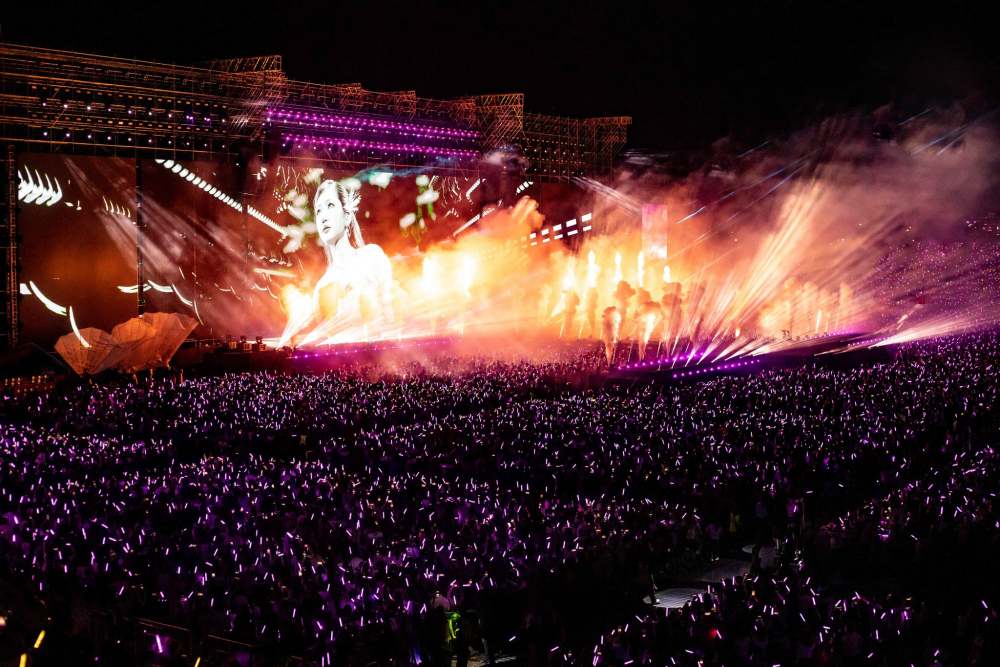
According to Mr. Thanh, it is necessary to develop a set of criteria for selecting cultural industry enterprises with potential to become national brands, based on three core competency groups including creativity and original IP ownership; technology application, digital asset development; content commercialization and expanding international cooperation.
Vietnam needs to build a strong enough development mechanism to form leading businesses in the industry, similar to policies for priority economic sectors," Mr. Dinh Ba Thanh proposed.
Mr. Thanh believes that for the cultural industry to have global competitiveness, Vietnam needs to form businesses strong enough to lead the market. This will be the force to bring Vietnamese intellectual property to the international stage and transform cultural resources into a sustainable growth engine.


