
Chelsea is currently ranked 8th with 48 points after a 5-match losing streak. They are 10 points behind 5th place Aston Villa and almost have no hope of participating in the 2026-2027 Champions League.
Just one more defeat, Cole Palmer and his teammates will lose their tickets, and it is not even known whether they will still be able to participate in the Europa League or Conference League at the end of the season.
It is not yet known what The Blues' achievements this season in the Premier League will be like, not being able to participate in the Champions League will immediately cause the team's revenue to drop by 80 million pounds.
Last season, the club's total revenue reached 490.9 million pounds. This is a rather modest level when Chelsea only participated in the Conference League last season. Although they are champions, in this 3rd division playground, money is not something worth discussing because it is too little.
Chelsea's commercial revenue last season was 201 million pounds, much lower than their rivals in the Big Six group. They signed a cooperation agreement in February 2026 with artificial intelligence technology company IFS until the end of the 2027-2028 season, including sponsorship for the rest of this season.
However, the difficult situation in winning a Champions League ticket will make their efforts difficult to secure a long-term sponsorship contract, worth more than £60 million per season.
Selling players is something that cannot be ignored. If Chelsea does not win a Champions League spot, it is their spending, not their income, that may be most severely affected.
The record loss of £262.4 million last season has exacerbated excessive spending under the current ownership, leading to the club having to sell a hotel and a women's team in an effort to comply with the Premier League's profit and sustainability regulations (PSR).
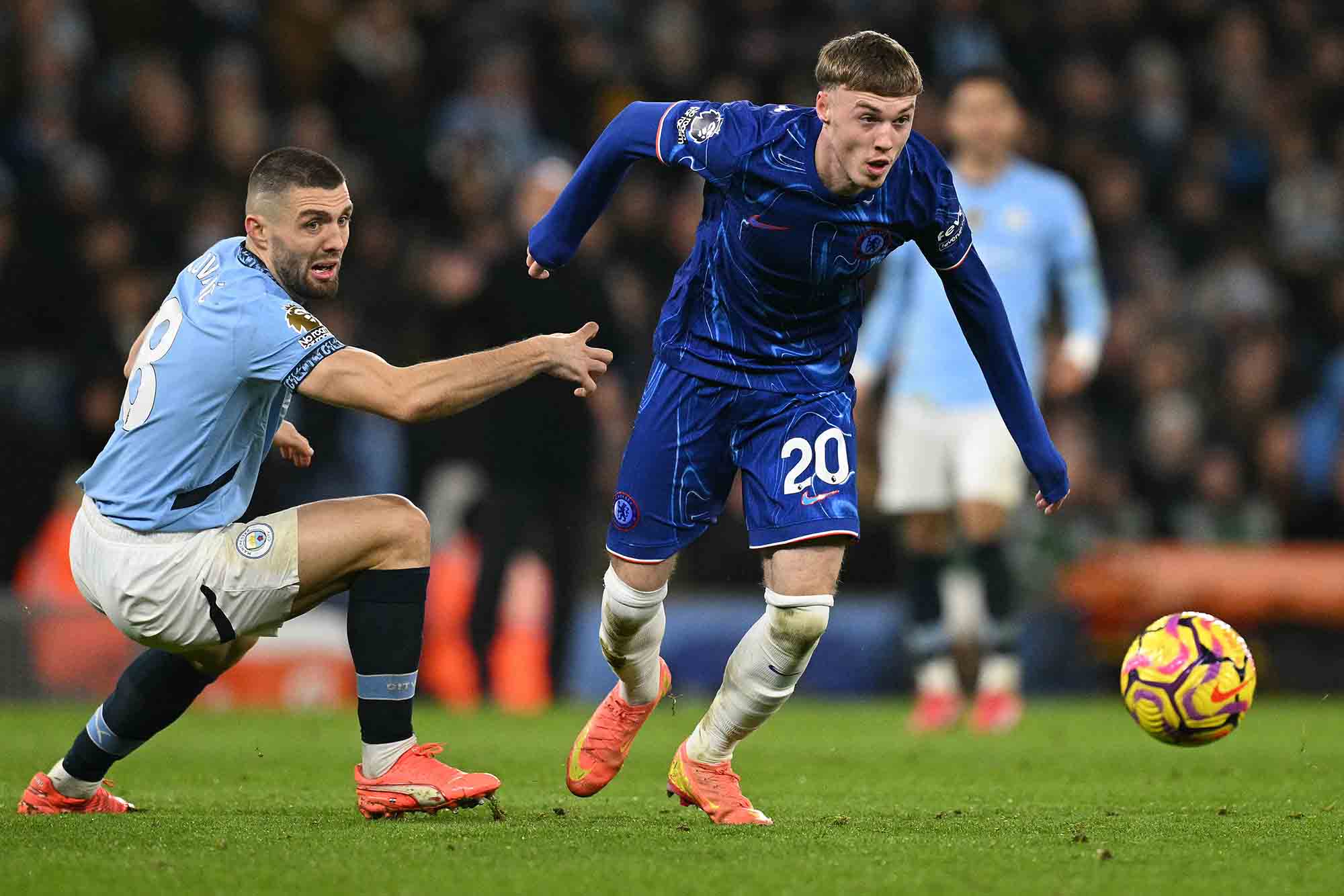
Those deals did not prevent them from violating UEFA's Club Licensing and Financial Sustainability Regulations (CLFS). Currently, Chelsea is bound by a spending limit settlement agreement, especially in the transfer market.
They will have to make more efforts to comply with that agreement if there are no revenue from the Champions League. This could lead to some players being sold this summer.
Previously, the club had affirmed that they would not be forced to sell players like Cole Palmer to Manchester United or Moisés Caicedo to Real Madrid, regardless of the club's results in the European arena. Since then, Palmer has publicly stated that he has no plans to leave and Caicedo has signed a new contract.
However, with Enzo Fernández being dropped from the squad for 2 matches for expressing his desire to live in Madrid, plus Palmer's implied statement that "everything will change" if Chelsea does not participate in the Champions League, speculations about the future of the club's stars are increasing.
Player contracts are currently structured with bonuses based on performance, associated with participating in European tournaments. Therefore, Chelsea's squad seems to be facing a pay cut next season.
Their salary-to-revenue ratio last season was the highest in the Big Six group, while the club's personnel surged from 958 to 1,169, becoming the largest operating apparatus in the Premier League.
Chelsea may even intentionally violate the settlement agreement with UEFA if they qualify for the Europa League or Conference League.
The club may prefer to be banned from playing for 1 year in the European arena if it means it is no longer bound by the current agreement that has not expired until 2029.
However, it is unlikely that Chelsea will do this and the club's board of directors believes they will comply with the agreement with UEFA regardless of what happens.

Participating in the Champions League not regularly makes Chelsea not a safe investment destination for many investors. The club's financial model is being scrutinized very carefully, especially the million-pound loans made by the group of owners and the terms of repayment.
The current total debt of the BlueCo club network, including RC Strasbourg, amounts to £1.4 billion. Recent analysis estimates that the total repayment cost of the 500 million pound secondary debt borrowed from Ares Management is £926 million.
The agreement with Ares was in-kind loans, in which interest expenses were added to the total principal, along with a form the Glazer family used in the initial loan in 2005 to buy Manchester United.


