
It only took more than 100 days for Chelsea to say goodbye to coach Liam Rosenior - who was once considered a "suitable choice" thanks to his understanding of BlueCo's system.
From the beginning, Rosenior refuted the opinion that he was appointed just because of his relationship with the board of directors. Previous success in Strasbourg in the multi-club model helped him get a chance at Stamford Bridge, at least in a way that the owners believed.
However, the problem is that not many others believe it. The skepticism from fans is growing, and the humiliating 0-3 defeat to Brighton is clear evidence that the players have never really respected this coach.
Rosenior lost 10/23 matches since replacing Enzo Maresca. Chelsea went through a 5-game losing streak in the Premier League - for the first time since 1993 - and 5 consecutive matches without scoring, something that had never happened since 1912.
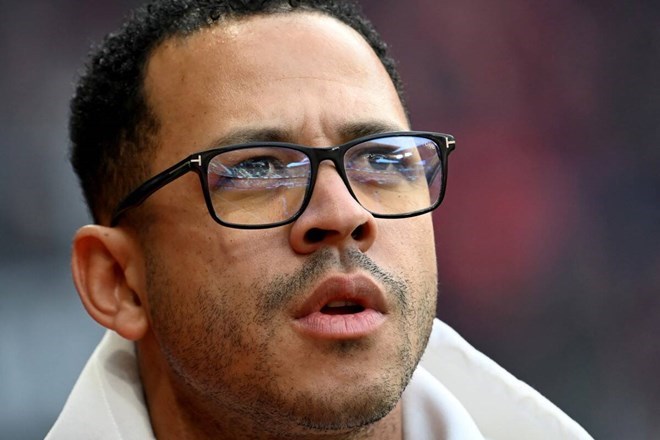
Currently ranked 8th, the London team is facing the risk of missing out on a UEFA Champions League spot, while the FA Cup semi-final against Leeds United became the last chance to save the season.
Power is not enough, the dressing room is cracked
Although considered a kind and hardworking person, Rosenior lacked peak experience - which made his voice lack enough weight. Inconsistent statements, half-hearted handling of situations and off-field controversies gradually eroded his reputation.
Many players are beginning to doubt Rosenior's management ability. The leakage of the squad, Enzo Fernandez's public reaction, or Marc Cucurella's disagreement show that the internal situation is no longer in the same direction.
Disciplining Fernandez and then facing pressure to use him further divided the dressing room. Conflicts between the coaching staff and players also gradually surfaced, culminating in lack of discipline on the field with the highest number of red cards in the league.
The problem is not just with the coach
Rosenior's mistake is obvious, but the root of the problem lies in BlueCo's operating structure.
The multi-layered model with many Sports Directors, data departments, and medical departments participating in decision-making has significantly narrowed the role of the head coach. Previously, Enzo Maresca also left because he wanted more control.
While Maresca lost power, Rosenior lost respect - two different endings but with the same problem.
Chelsea once showed signs of success with this model when they won the Conference League, participated in the Champions League and conquered the FIFA Club World Cup 2025. But when the results declined, the system revealed weaknesses.
Finding a new coach in the mess
Chelsea's leadership is now entering the process of searching for their sixth head coach since 2022. Potential candidates such as Andoni Iraola, Marco Silva or Cesc Fabregas may be considered.
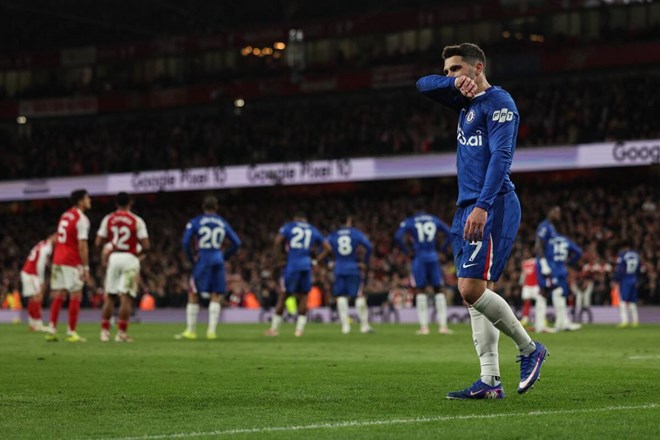
However, the requirement is not simple: a young coach, accepting a tight control system, but still reputable enough to manage the locker room.
Meanwhile, the policy of signing long-term contracts with young players makes the coaching position more vulnerable than ever.
Chelsea can adjust their transfer strategy to add experience to the squad. But if they do not change the way they operate at the highest level, all efforts risk repeating the old spiral.


