
Michael Carrick is not the type of coach who often appears on the sidelines to shout or put pressure. Calmness is part of his style, from when he played until leading Manchester United. But after the 0-2 defeat to Hull City, that quality began to raise another question: when does Carrick need to react more strongly?
Carrick was influenced by Sir Alex Ferguson and Jose Mourinho, but he did not follow the hot-tempered style of his two teachers. Against Hull, he was almost outside the developments on the field, while Man United played slowly, lacked vitality and did not create enough pressure on the opponent.
Carrick affirmed that calmness does not mean lack of emotion. Outside, there may not be violent reactions, but inside he and the players all clearly feel disappointment. The problem is that that calmness needs to be transformed into action on the field.
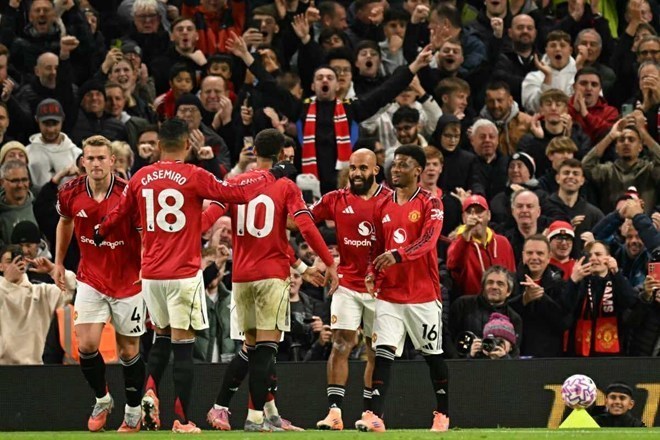
This was once a strength that helped Carrick make his mark when he was given the right to lead Man United last season. "The Red Devils" only lost 2 matches under him, and immediately reacted with victories against Aston Villa and Chelsea. The ability to help the team overcome defeat was once one of the important bases for Carrick to be given a long-term opportunity.
But the defeat to Hull was different. Man United entered the season with a strongly invested squad in midfield, but Youri Tielemans and Andrey Santos could not help them gain an advantage over Hull's much lower-value midfielders. The attack also lacked a real striker, while the 5-man defense system continued to make it difficult for Man United.
2 goals conceded from set pieces further exposed the old problem. Man United controlled the ball but lacked speed in deployment, not decisive enough in tackles and created too few dangerous opportunities.
Carrick also did not give many signs about how he will change the team. This is even more noteworthy when the defeat against Hull came in a match where M.U was expected to show a new face after the summer transfer window.
However, it is not yet possible to conclude that Carrick will maintain that approach. Last season, he proved his ability to adjust after defeats. Man United lost to Newcastle and then defeated Aston Villa 3-1. The defeat to Leeds was also followed by a victory at Chelsea's home ground.
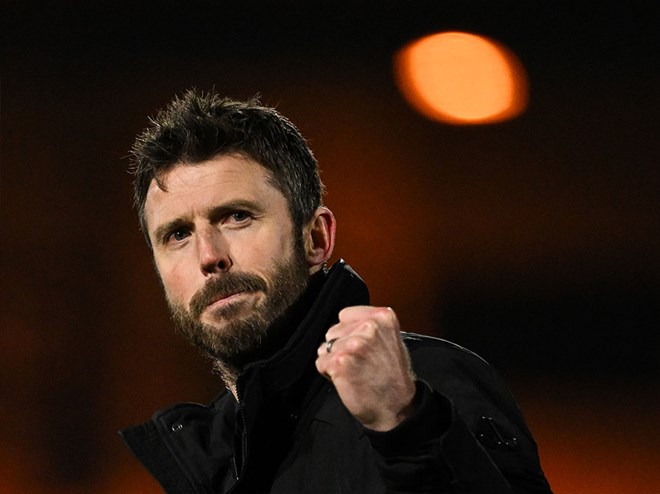
The difference lies in the ability to recognize the time to change. Carrick does not need to turn himself into a coach who is often hot-tempered. What Man United needs are clear enough decisions to change the pace and fighting spirit when the team is in a deadlock.
The match against Ipswich at home will be the first opportunity for Carrick to give an answer. After a lackluster performance at Hull, they need a reaction on the pitch rather than explanations outside the box.
Calmness once helped Carrick make his mark. But in a club under great pressure like Man United, he also has to prove that he knows when to stay calm and when to act.


