
It seemed that Tottenham Hotspur had fallen into a comprehensive crisis. No titles, poor form in the Premier League and skepticism surrounding new coach Roberto De Zerbi. There was even a time when the question appeared whether he would stay until the team started the season in the Championship (the worst-case scenario).
However, the situation has changed. Spurs escaped the relegation group and gradually built momentum after a period of fluctuation.
De Zerbi came with a commitment to bring pragmatism, when he only had a short time to save the situation. However, the Italian strategist's method has never been simple. Center-back Lewis Dunk once described the early stages of working with him at Brighton as harsh and like a purification, before the team gradually adapted.
At Tottenham, pressure does not allow prolonged experiments. However, only Georginio Rutter's late equalizer prevented De Zerbi from winning three of the first 4 matches - a start beyond expectations.
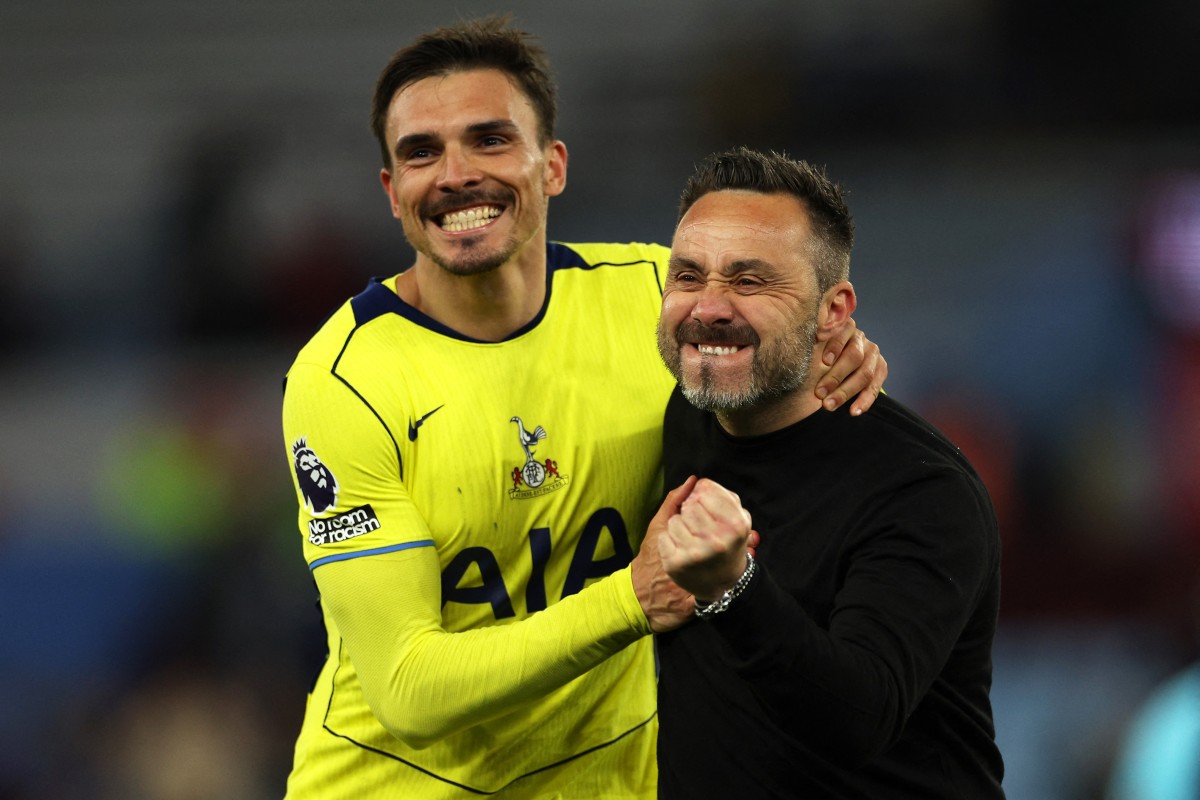
Clear tactical imprint
Spurs are showing a clear change in their operation. The high-pressing style of play is better organized, with an average of 5.3 ball recoverys in 1/3 of the opponent's field per game since De Zerbi took over - the highest number in the league in the same period.
Notably, this improvement does not come from increasing the intensity of the run. On the contrary, the "Roosters" move less, but more effectively. The organized approach helps them control the game better without consuming too much energy.
The biggest difference lies in defensive ability. The expected conceded goals (xG) index decreased sharply, from 1.52 to 0.79 per game. This shows that the new system is helping Spurs significantly reduce pressure on the goal.
Intermediate line reconstruction
De Zerbi's early stages were not smooth. The defeat to Sunderland showed a serious imbalance in midfield, when young options like Archie Gray or Lucas Bergvall had not met the requirements.
However, the Italian captain quickly adjusted. The trio Conor Gallagher, Rodrigo Bentancur and Joao Palhinha brought certainty, energy and superior tackling ability.
Despite the lack of softness, this midfield helps Spurs control the midfield more effectively, especially in the victory against Aston Villa.
Influence from De Zerbi's personality
De Zerbi's impact is not only in tactics. He quickly built trust in the dressing room, affirming that he will stick with the team regardless of the season results.
His personal philosophy - emphasizing flexibility and maximizing the strengths of each player - is gradually becoming effective. Position adjustments, such as the use of Randal Kolo Muani, show the pragmatism in this coach's thinking.
Team spirit has also clearly improved. Gallagher emerged as a new leader, playing a central role in both playing style and dressing room.
Hope for relegation
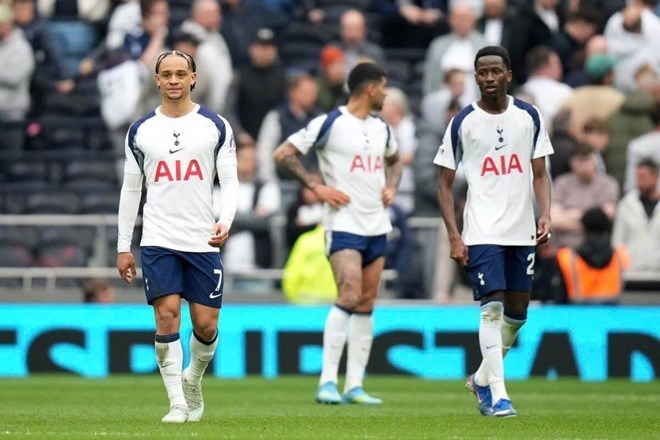
Spurs are no longer a decayed team like before. They know how to control the game, maintain the structure and wait for opportunities. Not only that, the flexibility in approaching the match is also a noteworthy point. "The Spurs" can proactively press when necessary, but are also ready to retreat deep to preserve the advantage - something rare in the early stages of the season. This adaptability helps them avoid systemic mistakes that once caused the team to continuously drop points.
Besides, the role of individuals is being promoted at the right time. Experienced players like Bentancur or Palhinha bring stability, while Gallagher plays the role of connecting and transmitting energy to the whole team. The balance between experience and youth is gradually forming a more competitive team.
The end-of-season schedule still contains many risks, but the psychological advantage is leaning towards Spurs. When confidence returns, they no longer play in a state of fear, instead they are proactive and decisive.
With the remaining 3 matches, the goal of relegation is still challenging. But for the first time in many months, confidence has returned in North London about the ability to decide their own fate.


