
Manchester United is falling into a familiar situation when considering appointing Michael Carrick as long-term head coach, with notable similarities to the path Ole Gunnar Solskjaer once took.
The results since Carrick replaced Ruben Amorim in mid-January are very impressive. However, doubts about suitability still exist, largely due to comparisons with Solskjaer - who also revived the team after a chaotic period under a Portuguese coach.
Carrick rejected those comparisons as irrelevant, but this is unlikely to extinguish a widespread argument as to whether history will repeat itself?
Solskjaer used to coach 13 matches in the Premier League before being officially appointed in 2019. Carrick has also gone through exactly this number of matches and creates a direct basis for comparison.
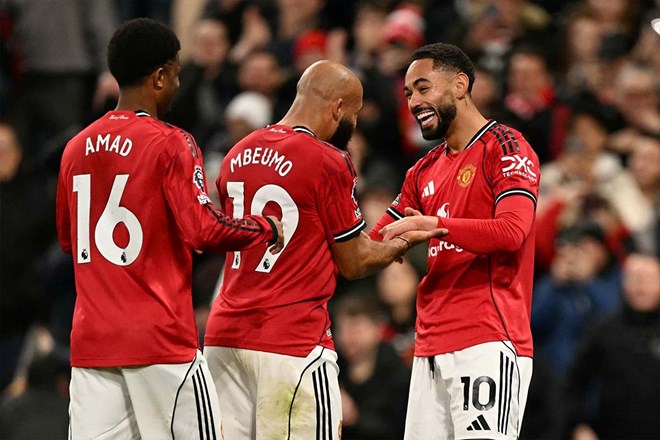
Who has better achievements?
Solskjaer is slightly ahead with 32/39 maximum points, 3 points more than Carrick. His team also scored 29 goals, 5 more goals than the current Man United, and conceded 3 fewer goals.
However, it is also necessary to consider the specific context. Solskjaer's series of matches has three relegated opponents and only 4 teams in the upper half of the rankings. Conversely, Carrick has to face a much more difficult schedule, when most opponents are in the top 10 and only one team is in the relegation group.
Solskjaer's most outstanding victory was the 1-0 victory over Tottenham Hotspur of coach Mauricio Pochettino. But Carrick even made a stronger impression when he defeated Manchester City and Arsenal consecutively in the first 2 matches.
In addition, Carrick's team also defeated Aston Villa - the team competing for a Champions League spot - thereby consolidating third place.
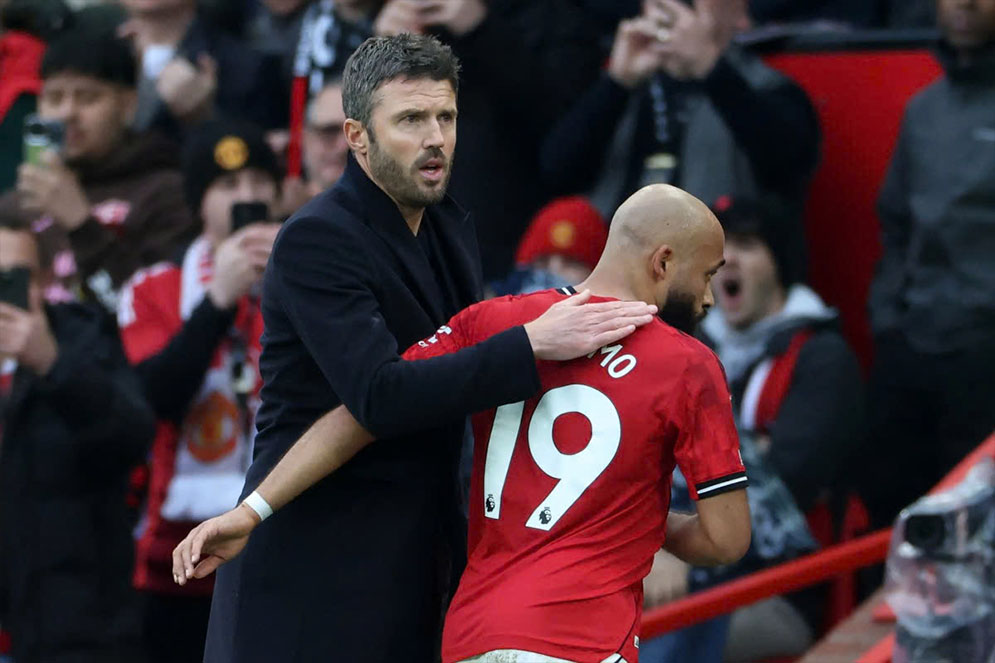
Schedule
Carrick is right to say that each coach works in a different situation. Solskjaer has to play densely on many fronts, including the Champions League and FA Cup, with 19 matches in 86 days. Meanwhile, Carrick only led 13 matches in 101 days, even with 24-day breaks between matches.
However, Solskjaer also had great achievements in the cup, such as the victory over Chelsea in the FA Cup and the famous comeback against Paris Saint-Germain in the Champions League.
Which team is stronger?
This is a factor that cannot be ignored for sure. Solskjaer has names like Romelu Lukaku, Alexis Sanchez or Paul Pogba, while Carrick works with a new generation, including recent signings and young players.
Comparison of playing style
If only looking at the results, Solskjaer was once considered one of Man United's most successful coaches after Sir Alex Ferguson. However, his playing style is often criticized for being dependent on individual moments and counter-attacks, lacking a clear structure.
Carrick also showed a similar trend. His best matches came when Man United played counter-attacking, such as in victories against Man City and Arsenal. This further fueled the view that he was a "new version of Solskjaer".
Statistical data also reflects that. The "Red Devils" under Carrick performed more fast counter-attacks, while taking good advantage of set pieces - a prominent trend in the Premier League today.
Takeover context
Solskjaer took over a cracked dressing room under Jose Mourinho, where internal conflicts were made public. Meanwhile, Amorim left mainly due to conflicts with the leadership, and there are very few signs that he lost control of the dressing room.
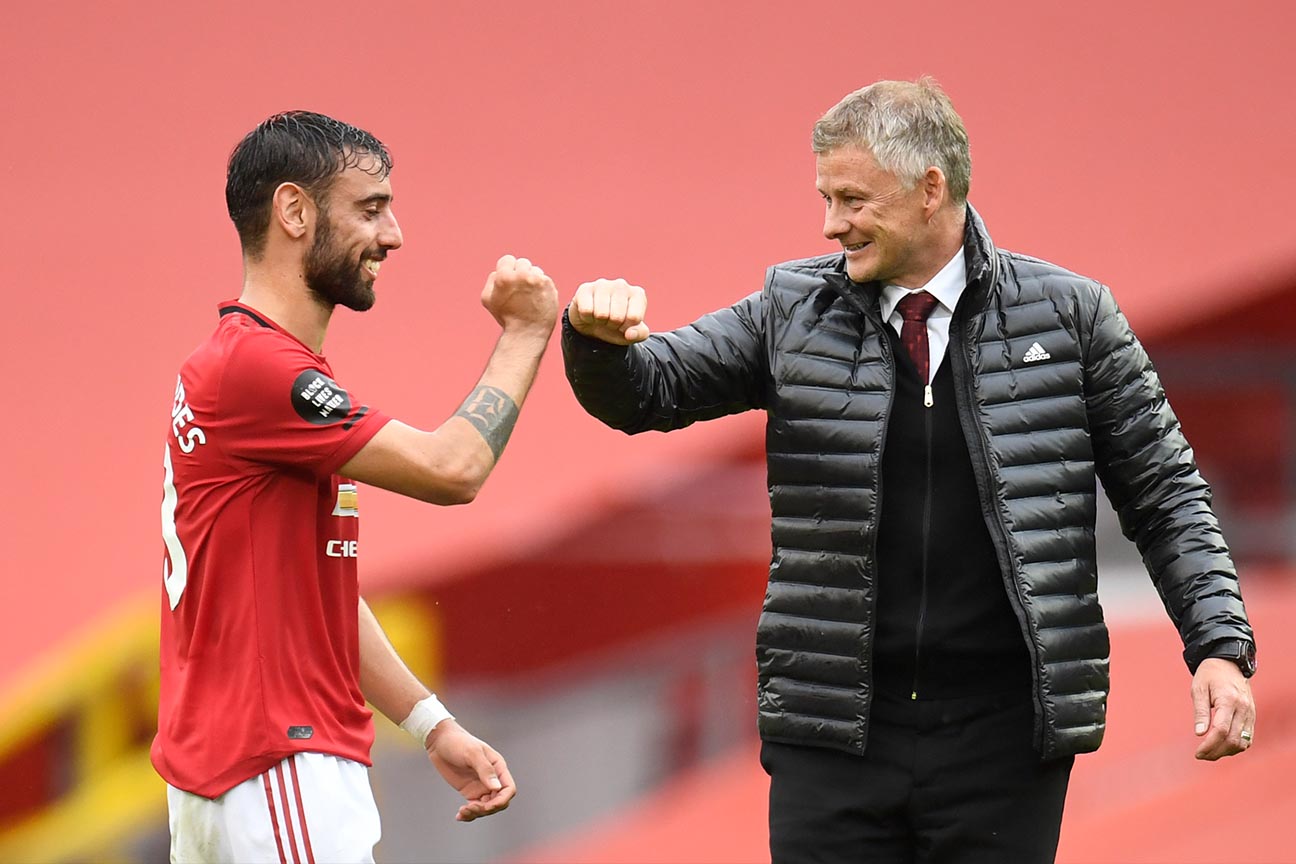
Before being sacked, Man United under Amorim even only lost one of the last 8 matches, but unstable tactical decisions - especially the return to the 3-defender formation - caused him to lose points.
From a certain perspective, both Solskjaer and Carrick are given opportunities in similar circumstances - correcting tactical mistakes of their predecessors. Solskjaer brings positivity, while Carrick simplifies the system and helps the team stabilize quickly.
But the big problem is still there. Should Man United repeat the decision that once brought Solskjaer to official status - a decision that once brought great hope, but in the end could not bring the team back to the top?


