
Liverpool is entering a sensitive transitional period. Trent Alexander-Arnold has left, Mohamed Salah and Andy Robertson are also preparing to say goodbye, while the future of Alisson Becker and Virgil van Dijk is still not really clear. All raise a big question. How much experience will Liverpool lose, and how will that affect future ambitions?
For more than a decade, Liverpool has owned a generation of players considered the most glorious in club history. Names like Georginio Wijnaldum, James Milner, Jordan Henderson, Fabinho, Sadio Mane or Roberto Firmino have successively left, but the core squad is still maintained, helping the team continue its competitive position. However, that is now gradually changing.
It is not an exaggeration to say that Alisson, Alexander-Arnold, Van Dijk, Robertson and Salah all deserve to be in the Liverpool's best squad of all time. They are not only outstanding individuals but also the foundation for collective success. Last season, all five still won the Premier League together. But currently, that squad is gradually disbanding.
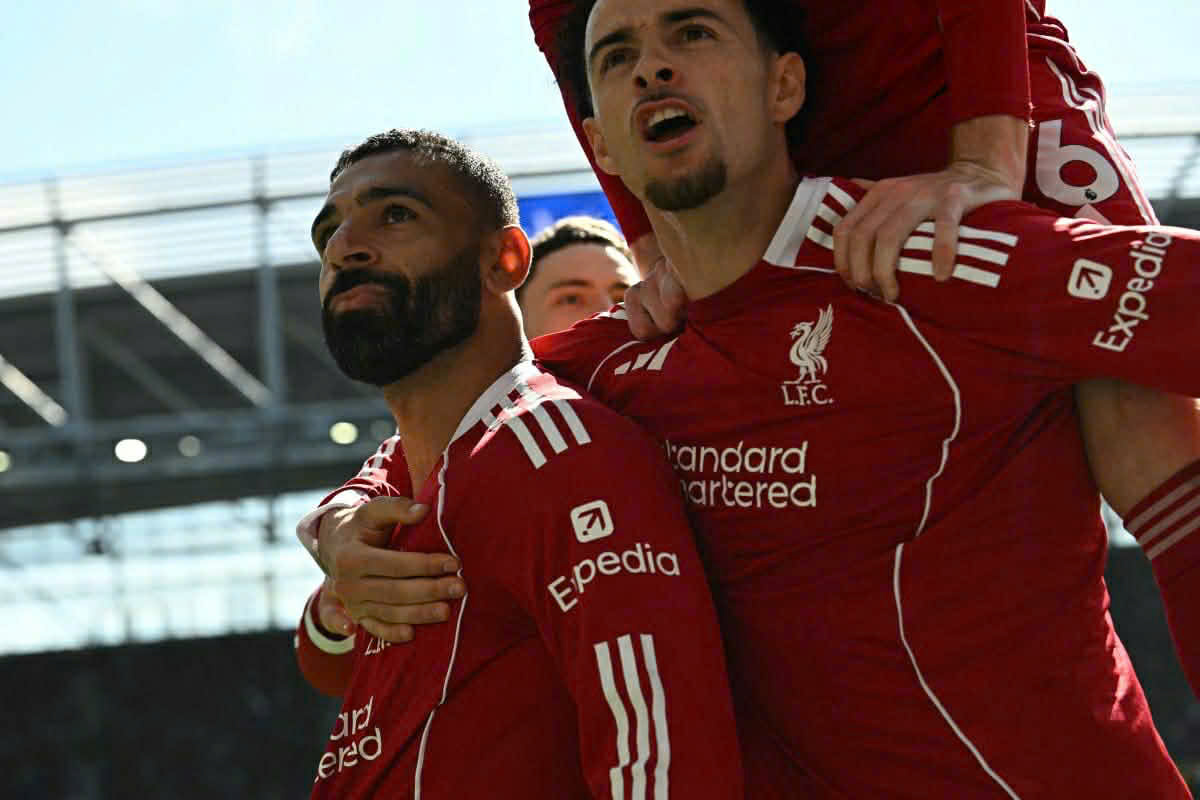
Alexander-Arnold has moved to Real Madrid, Salah and Robertson are almost certain to leave after the season. Alisson, although activating the extension clause, is still in contact with Juventus, while Van Dijk enters the final year of his contract at the age of 35. These signs show that a cycle is coming to an end.
Coach Arne Slot has repeatedly emphasized that stability is the key to success. Liverpool has proven that when they won the Premier League in their first season with very few personnel changes. However, football cannot resist the law of time. Ageing and force fluctuations are inevitable.
This season, The Kop has partly shown signs of stagnation. The departure of Alexander-Arnold and Luis Diaz, the shock related to Diogo Jota, along with injuries and unstable performance of many players have made the team no longer maintain the same certainty as before.
What is worth mentioning is not only the number of players who leave, but also the value of experience and the understanding they bring with them. Salah and Robertson have played together more than 250 matches in the Premier League - a rare number. Van Dijk also has a special connection with his teammates, from long passes for Salah to the ability to command the defense with Robertson. Meanwhile, Alisson has played more than 200 matches with the above key players, contributing to creating a tightly connected system.
That understanding cannot be replaced immediately. Newcomers like Florian Wirtz or Alexander Isak show great potential, but they still need time to adapt to the environment and playing style at Anfield. Milos Kerkez is also expected to replace Robertson, but filling the experience gap is not simple.
The Red Brigade" is not wrong to rejuvenate the squad. In modern football, refreshing the force is mandatory if you want to maintain long-term competitiveness. However, what the team may lack is identity - something formed from players who have been attached for many years, understand the pressure and expectations at the club.
In fact, Liverpool is still dependent on the experience of veterans. Although over 30 years old, Van Dijk is still the player who has played the most this season. Salah still contributes more than 20% of the team's total goals under Slot - a figure showing huge influence. In total, Salah, Robertson, Van Dijk and Alisson have played more than 1,500 matches for Liverpool - more than the entire remaining team combined.
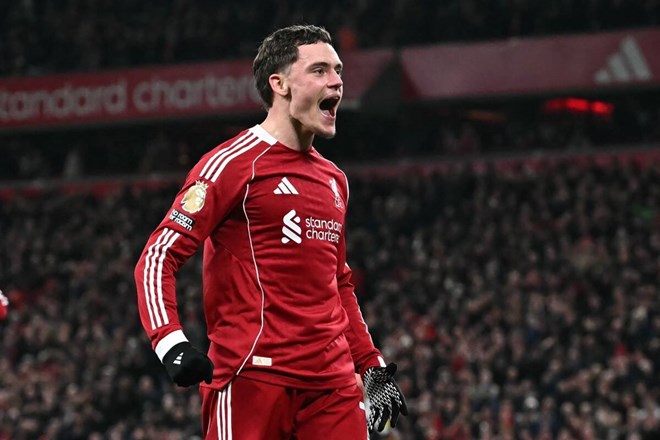
Liverpool has gone through similar transitions. When Jamie Carragher and Steven Gerrard left, the team also faced many doubts, but then regained success under Jurgen Klopp. This shows that change is not always negative, but always comes with risks.
Liverpool's current problem is not only to replace each individual, but to rebuild a complete team. A team not only needs talent, but also needs cohesion, understanding and bravery to overcome pressure.
In the short term, Liverpool may keep Van Dijk for another season and hope Alisson will continue to stick with them. But in the long term, success will depend on how quickly and effectively they build a new generation.
Change is inevitable. But for Liverpool, the biggest challenge is not about saying goodbye to legends, but about how they write the next chapter.


