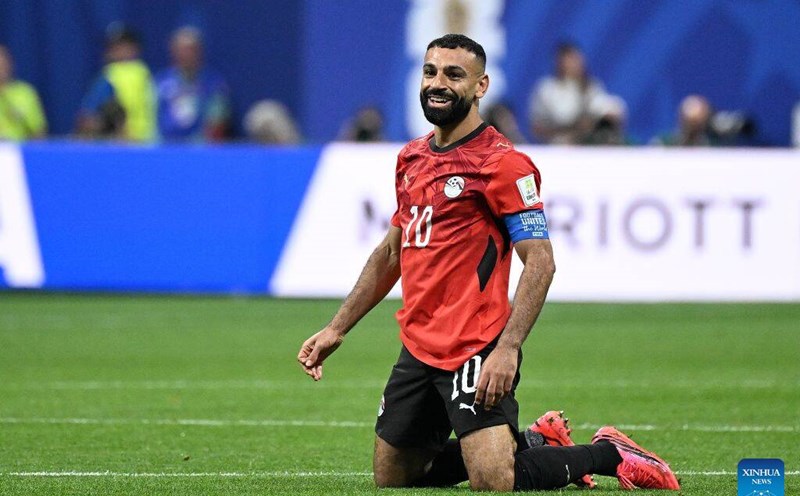
Argentina had a super-imaginable comeback against Egypt in the match of the 1/8 round of the 2026 World Cup. Until the 78th minute, they were still 2 goals behind. From Cristian Romero's goal in the 79th minute, the reigning world champion took exactly 14 minutes to complete the comeback with a score of 3-2.
Before Mostafa Ziko of Egypt increased the score to 2-0 in the 67th minute, the African representative was denied a goal in the 58th minute when Ziko himself put the ball into the net. After referee Francois Letexier listened to advice from the VAR room, he went to watch the slow-motion screen and decided to cancel Egypt's goal.
This is a situation that left many controversies after the match ended because the decision of the French "black-clad king" completely changed the situation. If Egypt had recognized that goal, it is not certain that Lionel Messi and his teammates would have reversed the super-realistic situation like that. However, football does not have the word "if" and now is the time to reconsider that situation from a multi-dimensional perspective surrounding Mr. Letexier's decision.
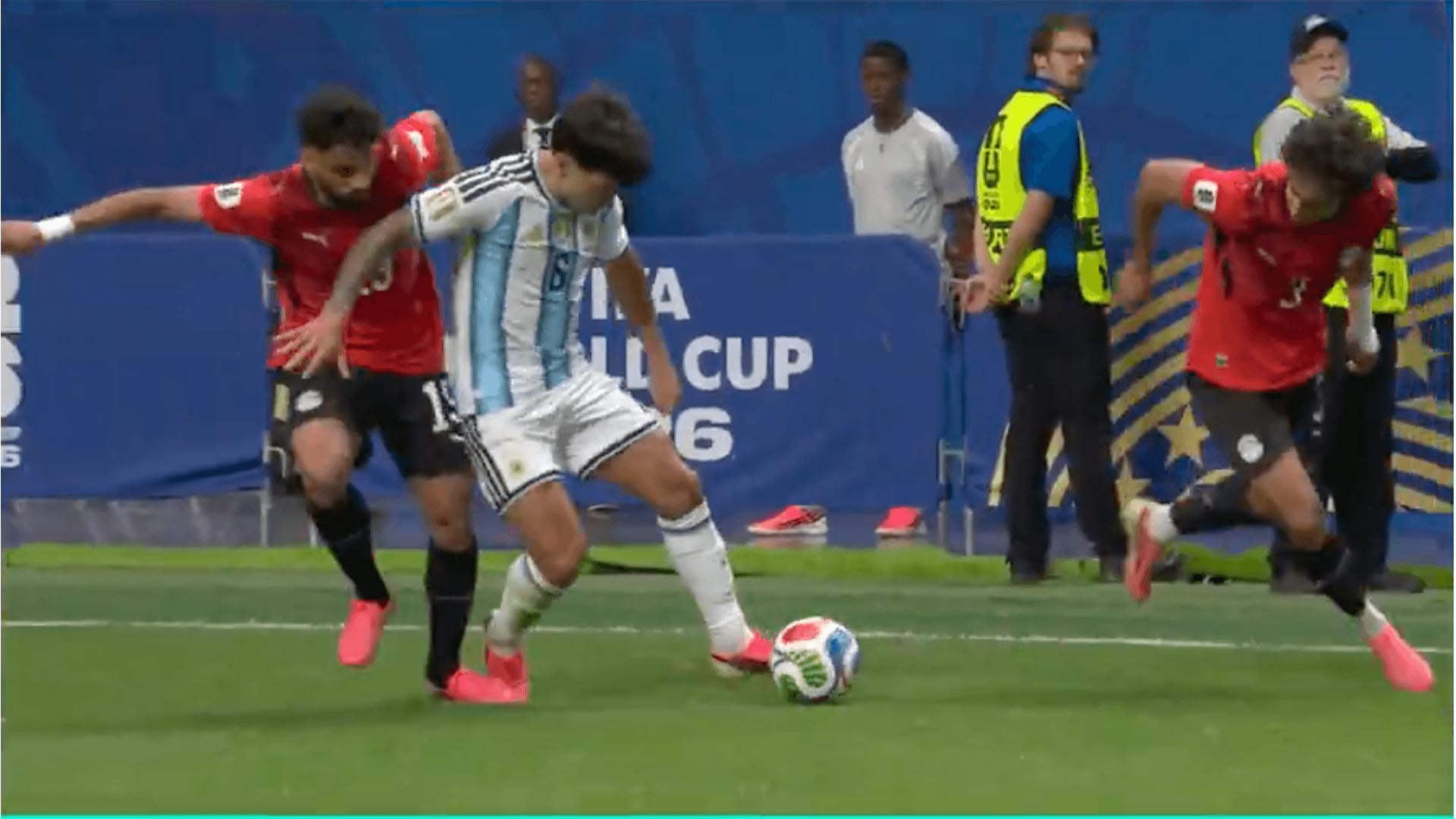
Marwan Attia's challenge with Lisandro Martinez took place in a position about 80m from Argentina's goal. This is a distance enough for Albiceleste to have time to re-establish the defense system after losing the ball. From the Egyptian team and their fans, it was just a normal collision, not negatively affecting Argentina's defense before Ziko put the ball into the net.
The time from the collision to the moment Ziko scored is quite long. VAR only intervenes when the foul situation is too obvious and has a direct impact on whether a team scores or not. Looking from this perspective, it is easy to understand why the Egyptian coaching staff was so angry when they were denied a goal.
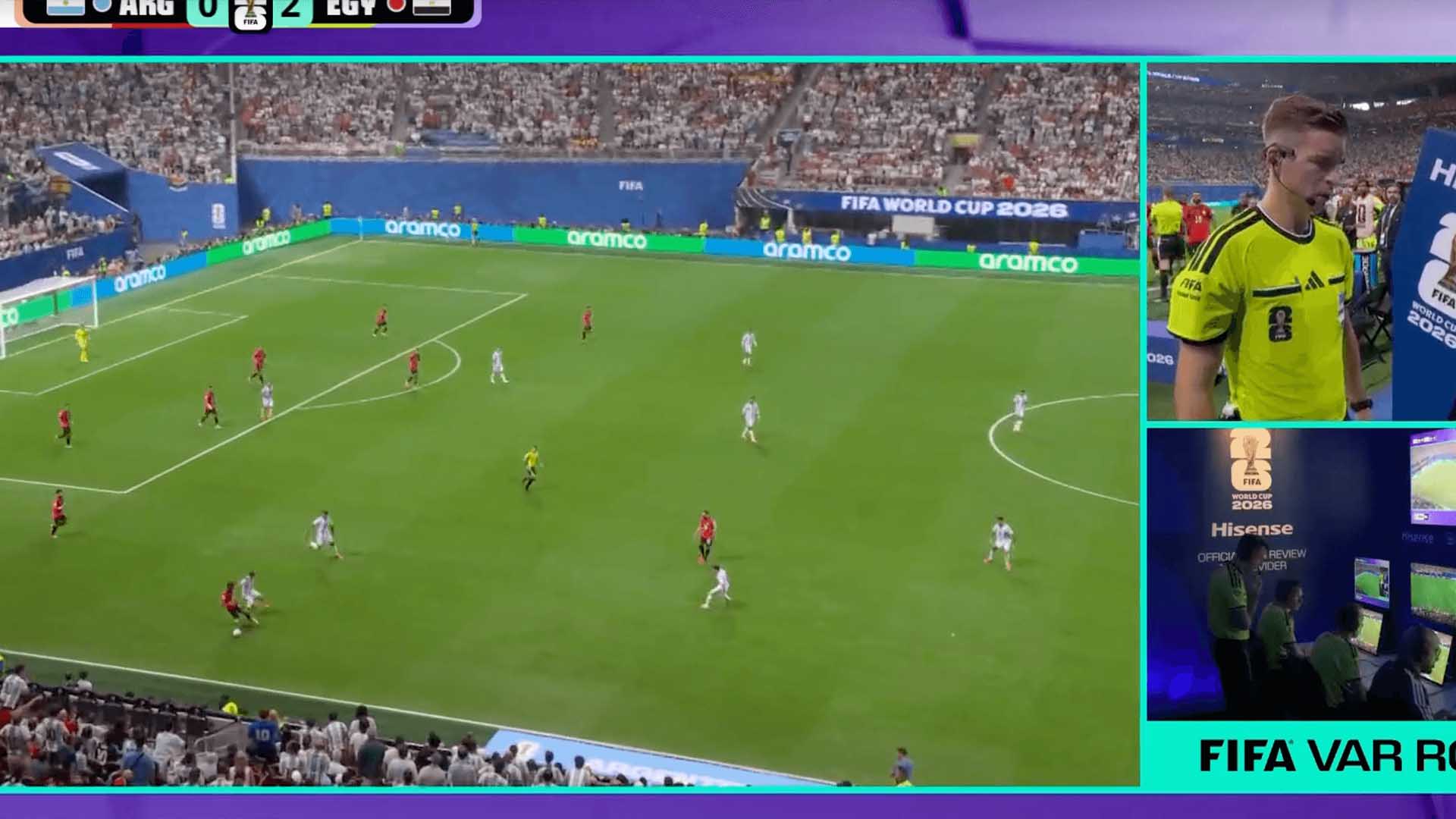
However, when viewed from Argentina and their supporters, the referee was right to decide to watch VAR and deny Egypt's goal. When a team loses control of the ball from the opponent's foul, then leads to a goal, even though the distance is 8m or 80m is not a problem. Argentina believes that Attia's foul on Martinez caused them to lose the ball, leading to a quick counter-attack and conceding a goal.
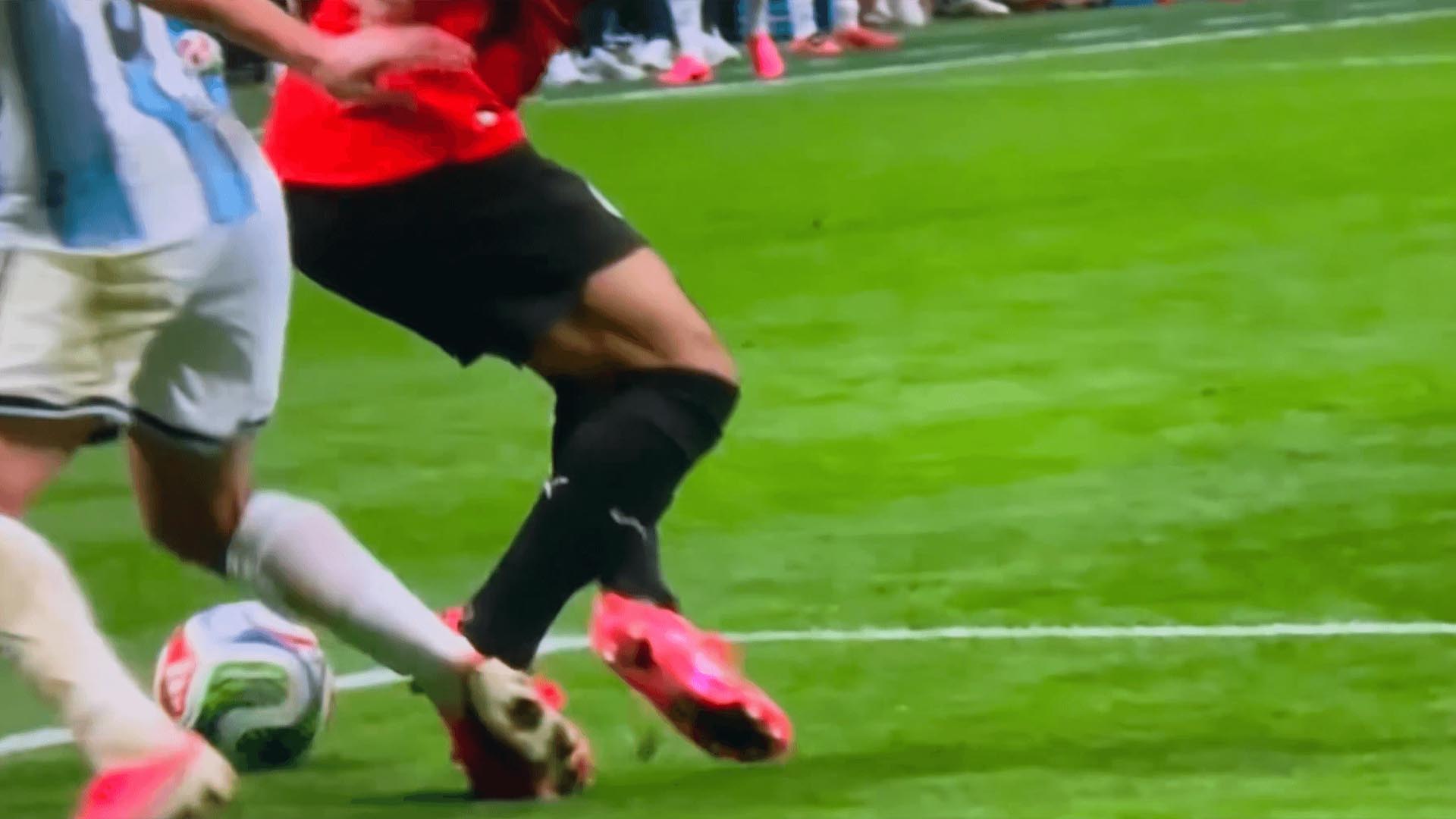
Many famous former referees such as Graham Scott or Mark Clattenburg all said that it was not too serious a foul affecting Egypt's scoring situation. But for Mr. Francois Letexier, it was still a foul. The law does not stipulate how far the foul leads to losing the ball. Mr. Letexier saw the image of Attia stepping on Martinez's foot and that was enough.
And in the situation afterwards when Mohamed Salah fell in the penalty area, Egyptian fans also went furious when the referee did not award them a penalty. However, it was not a clear foul when the impact was not enough for the former Liverpool striker to fall in such a way.
In terms of law, Mr. Francois Letexier is not wrong. Remember that the 37-year-old referee is primarily responsible for the decisions on the field, not Graham Scott or Mark Clattenburg. When the EFA files a complaint, FIFA will receive and resolve it according to the correct procedure. If Mr. Letexier is found to have made a mistake, then a penalty decision will be made.
In case Mr. Letexier is judged to have made a mistake, what many Egyptian fans want most cannot happen, which is to replay or cancel the result. Only blame Mr. Letexier for being too strict in a situation that many colleagues will ignore. Otherwise, Egyptian football could deepen another record at the World Cup, after the achievement of surpassing the group stage and the first knockout match.