Bringing public administration to people's homes
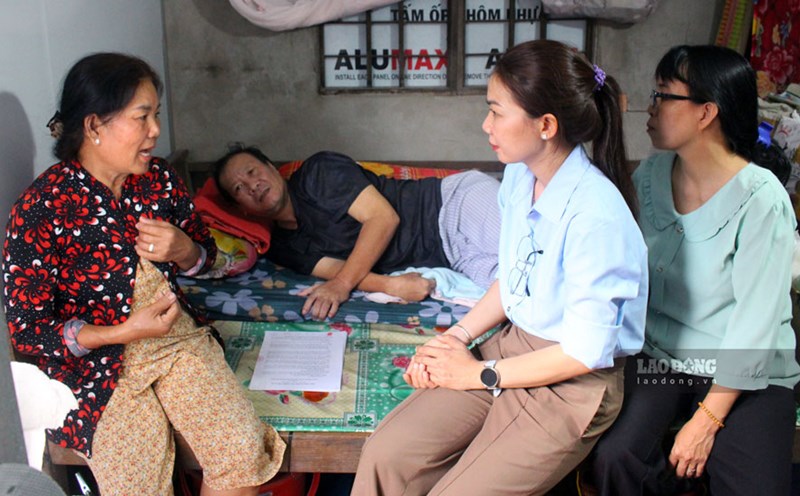
Mr. Mai Quoc Chanh (block 8, My Ngai ward, Dong Thap province) is bedridden after a stroke. When the family needs to complete the authorization procedures to resolve work, bringing him to the Public Administrative Service Center (PVHCC Center) is almost impossible.
Instead of asking people to come to the headquarters, the Center's staff proactively brought documents to their homes. Right next to the hospital bed, the procedures were completed, helping the family remove difficulties that seemed deadlocked.
On May 7, when signing the final papers, Ms. Nguyen Thi Thanh - Mr. Chanh's wife - could not hide her emotion: "If it weren't for the officials coming to my house to support, I really wouldn't know what to do to take him to the center to get papers done.
That is just one of dozens of cases supported from the "Administrative knocking on doors" model implemented by Support Team 102.
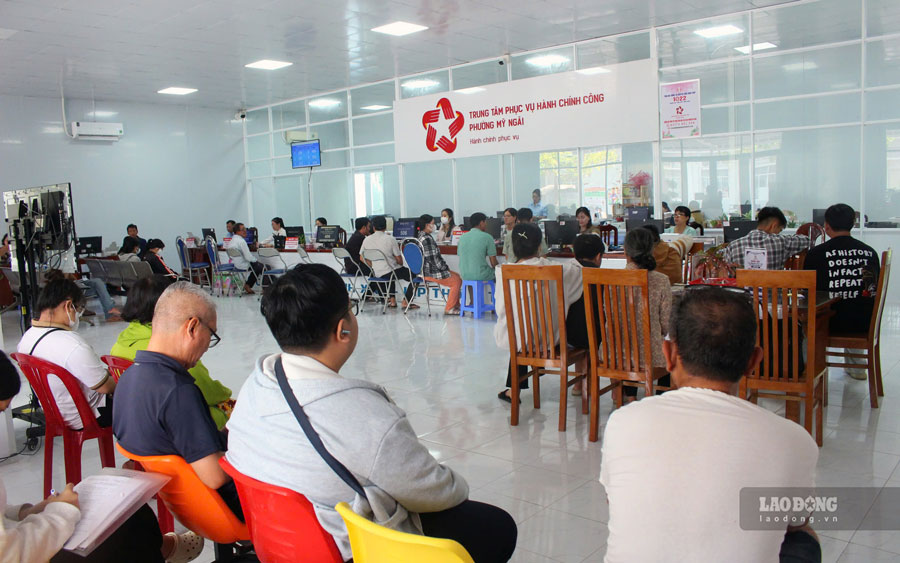
My Ngai Ward, Dong Thap province was established on the basis of merging 3 communes and 1 ward. The area is large, most people live in rural areas, many elderly people are not used to using online public services. There are many cases where they have to travel dozens of kilometers, many times up and down the center just to complete one set of documents.
Witnessing that reality, Ms. Le Tran Phuong Khanh - Director of the PVHCC Center of My Ngai ward, and colleagues have built a model to support people right at home.
With special attention and support from the Party Committee and People's Committee of the ward, in April 2026, Support Group 102 officially went into operation with the core force being officials of the Center, coordinating with unions and people's committees of the hamlet.
According to Ms. Khanh, the name "102" also sends the message of the model: "One call arrives, there is no distance left and both sides - government and people - are aiming for satisfaction.
Not only solving administrative procedures (TTHC), the model also shows a change in service thinking. Instead of letting people turn to the government, the government proactively turns to people, especially the elderly, sick, disabled or those in special circumstances.
Motorbike trips carrying dossiers are therefore not simply performing tasks, but also carrying the sharing and responsibility of grassroots authorities.
The transition from direct service to digital service
Behind the "Administrative knocking on doors" trips is the huge workload of the staff. Currently, the PVHCC Center of My Ngai ward has 15 officials and civil servants, but each day receives about 150 - 200 dossiers. To ensure progress, many people regularly work more than 10 hours a day. Many weekends, officials are still present at the agency to review dossiers, preparing to return results to people at the beginning of the week.
According to Ms. Le Tran Phuong Khanh, direct support will still be maintained for special cases. However, if only based on human strength, it is difficult to meet long-term requirements as the workload is increasing. From that reality, the Center is completing a project to build 12 digital service points in 16 hamlets in the area.
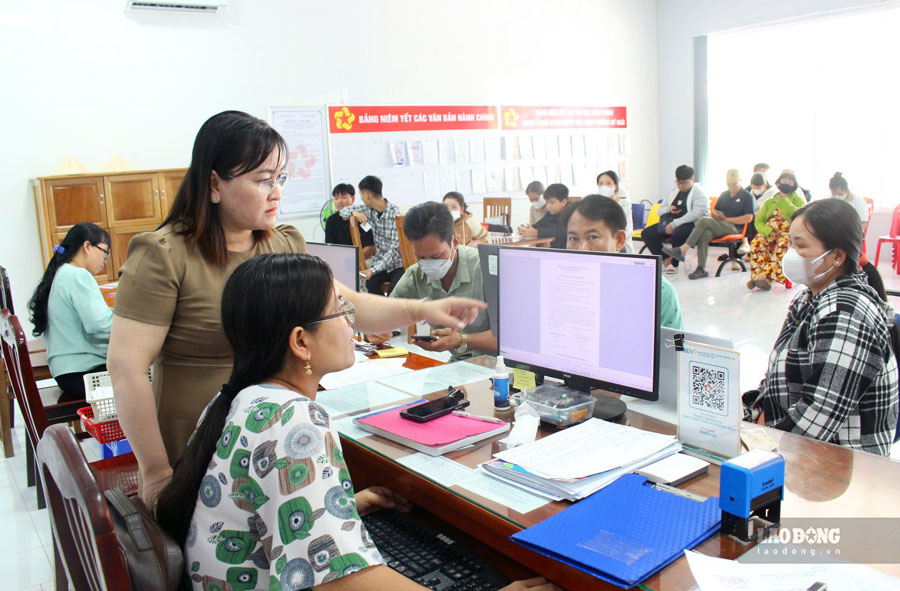
Each point will be equipped with internet-connected computers, TTHC forms and have forces trained to guide people to use online public services. If "Administration knocks on doors" is a solution for cases where they cannot go to administrative agencies, then the Digital Service Point aims to serve the majority right in residential areas. People can be guided to create accounts, submit dossiers online, look up results and perform many TTHC right in their living area instead of having to go to the ward headquarters many times.
More importantly, the model will contribute to forming digital skills for people, especially the elderly and people in rural areas - subjects who are still confused when accessing online public services.
In the opposite direction, reducing the number of direct dossiers will help the one-stop-shop department have more time to focus on processing complex professional dossiers, thereby improving service quality and reducing pressure on civil servants.
Two models, one goal
From "Administration knocking on doors" to Digital Service Points are two consecutive steps in the process of building a service administration in My Ngai ward. One model solves the immediate needs of vulnerable people; the other model aims for a long-term goal of universalizing digital public services to each residential area. The common point of both is not in technology or processes, but in the mindset of putting people at the center of administrative reform.
As motorbike trips continue to bring dossiers to patients' homes, and digital service points are gradually forming in each hamlet, local authorities are gradually proving that digital transformation is not only about putting technology into management, but first of all changing the way of service.
That is also the way My Ngai ward narrowed the gap between the government and the people after arranging administrative units, so that each procedure is resolved not only in accordance with regulations but also with dedication, responsibility and the spirit of accompanying the people.