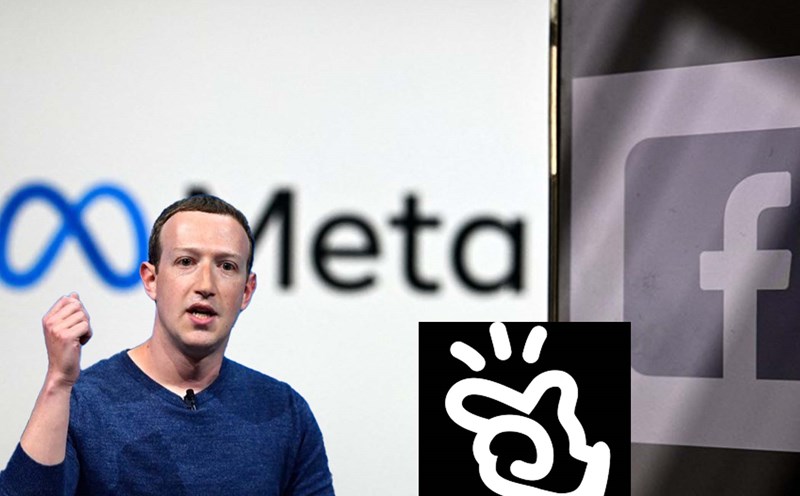
Meta Platforms is planning to cut about 10% of personnel at Reality Labs, the unit in charge of products related to metaverse, virtual reality and smart wearable devices.
This information was published by the New York Times, citing three sources who understand the company's internal discussions.
According to NYT, Reality Labs currently has about 15,000 employees and the cuts are expected to be announced soon, possibly this week.
Personnel streamlining is said to have a stronger impact on the metaverse team, especially in the fields of virtual reality headphones and virtual social networks, which are areas that consume a lot of resources but have not yielded commensurate commercial results.
Metaverse was once a big gamble for CEO Mark Zuckerberg. Since 2020, Meta has poured more than 60 billion USD into Reality Labs with the ambition to build a vivid digital universe where users can work, entertain and communicate in connected virtual worlds.
However, this vision faces many difficulties in persuading consumers and investors, as market demand is increasing slowly and technology is still not mature enough.
However, Reality Labs is not only associated with metaverse. This division also develops Meta Quest mixed-reality headphones, Ray-Ban-combined smart glasses from EssilorLuxottica, as well as augmented reality glasses projects.
Notably, Meta has recorded initial positive signals with smart glasses, in the context that competitors such as Google or Apple have not achieved clear success in the early stages of this segment.
According to an internal memorandum cited by NYT, Meta Technology Director Andrew Bosworth, who directly supervised Reality Labs, convened a meeting of all employees in the middle of the week and requested direct attendance. Meta has not yet made an official comment when contacted by Reuters.
The personnel cut takes place in the context that Meta is under great pressure from the artificial intelligence race in Silicon Valley, especially after the Llama 4 model received not very positive feedback.
The restructuring of Reality Labs is seen as Meta's effort to focus resources, control costs and adjust strategies in the face of increasingly fierce challenges from both AI and consumer hardware.