
Trí tuệ nhân tạo hay trí thông minh nhân tạo (Artificial intelligence – viết tắt là AI) là một ngành thuộc lĩnh vực khoa học máy tính (Computer science) nhằm tạo ra một hệ thống có thể phản ứng một cách thông minh như con người.
Hệ thống giao thông thông minh (Intelligent Transport Systems – ITS) không phải là điều gì quá mới mẻ trên thế giới. Ý tưởng về hệ thống này đã được khởi xướng từ những năm 60, 70 của thế kỷ trước tại Mỹ và các nước Châu Âu. Đến nay, mô hình này đã được áp dụng thành công tại nhiều thành phố lớn trên thế giới.
Hệ thống giao thông thông minh là công nghệ được sử dụng để giải quyết các vấn đề của giao thông đường bộ, trong đó bao gồm việc xử lý tai nạn và ùn tắc giao thông. Về cơ bản, ITS sẽ sử dụng kết nối thông tin giữa hệ thống giao thông, phương tiện đang di chuyển và con người nhằm hình thành một mạng lưới, qua đó tối ưu việc vận hành và tham gia vào quá trình điều tiết giao thông.
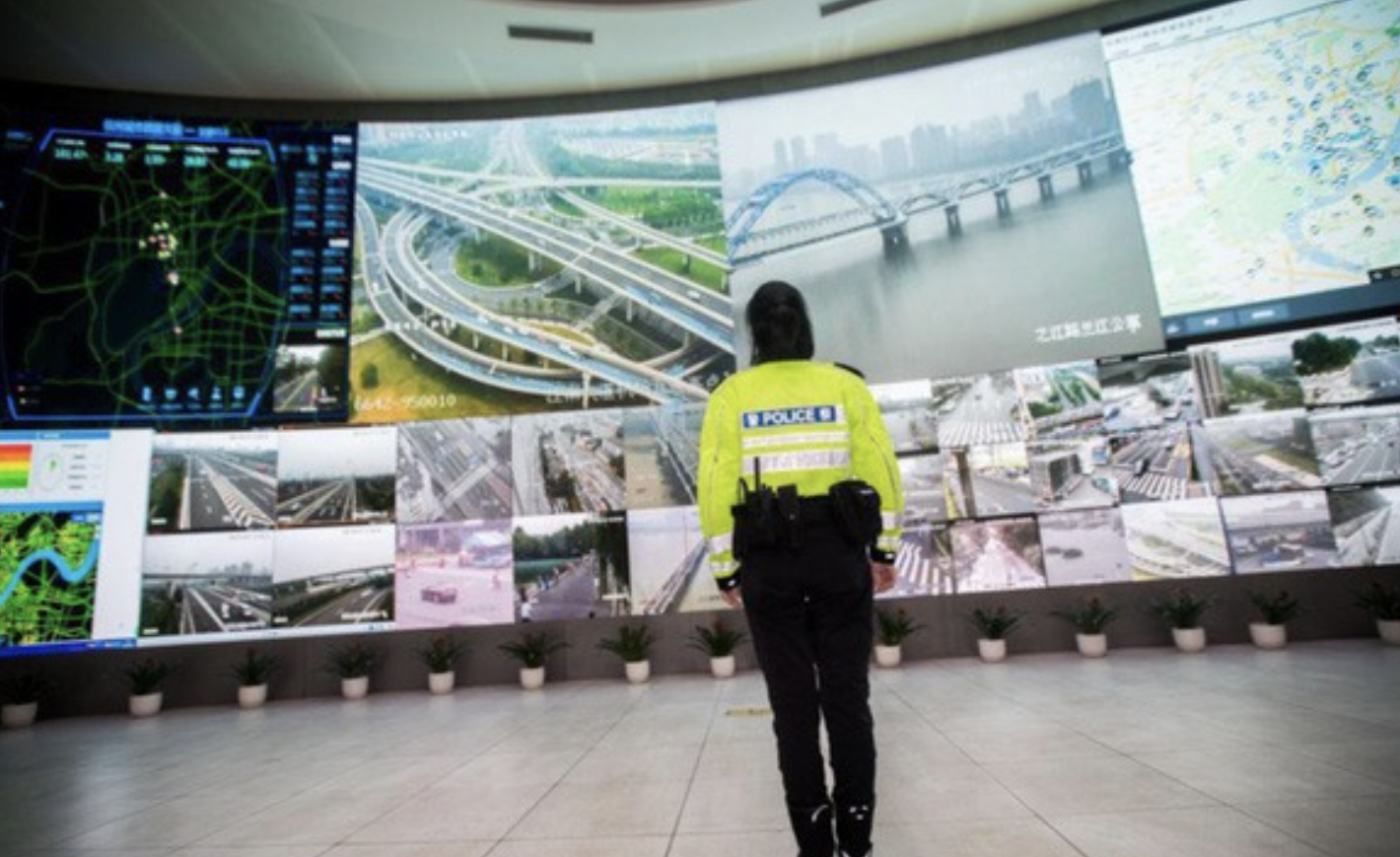
Tại các nước Châu Á, sau khi chính quyền thành phố Hàng Châu - Trung Quốc khởi động dự án “bộ não thành phố” (city brain), tình hình ùn tắc và tai nạn giao thông tại đây được cải thiện rõ rệt, đây cũng là thành phố đầu tiên trên thế giới quản lý các vấn đề cộng đồng với sự hỗ trợ của công nghệ AI.
Điểm lõi của hệ thống “bộ não thành phố” là một trung tâm AI chuyên xử lý dữ liệu lớn, giúp nó “suy nghĩ” và đưa ra quyết định tốt hơn. Theo đó, một mạng lưới camera được lắp đặt để giám sát mọi hoạt động và tình trạng giao thông trong thành phố 24/24 giờ, giúp cảnh sát giao thông điều tiết các phương tiện và phản ứng nhanh hơn trước các vụ tai nạn trên đường.
Bên cạnh đó, vào đầu năm 2018, Malaysia cũng trở thành quốc gia đầu tiên tại Đông Nam Á sử dụng một AI mang tên “bộ não thông minh” do Alibaba phát triển để đối phó nạn kẹt xe.
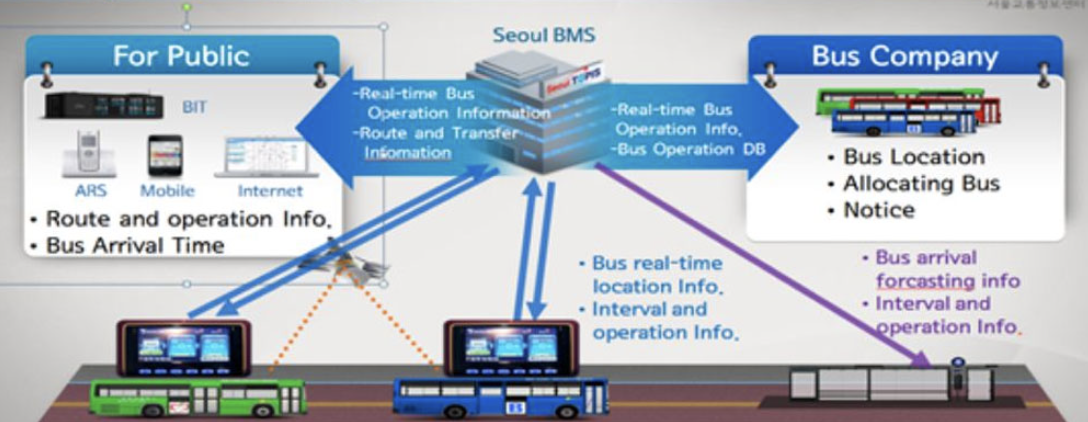
Không những thế, Hàn Quốc là quốc gia đi tiên phong trong việc ứng dụng công nghệ nhằm phát triển Hệ thống giao thông thông minh. Thủ đô Seoul của nước này được nhận định là thành phố có hệ thống giao thông thông minh tốt nhất thế giới, ở đó chính phủ thiết lập một hệ thống vận hành giao thông có tên TOPIS. Khi truy nhập vào hệ thống này, người dân sẽ được cung cấp các thông tin liên quan đến tình trạng giao thông. Với những người đang chờ xe buýt, thông tin này bao gồm cả vị trí cụ thể của chuyến xe đang tới, thời gian dự kiến sẽ tới bến và lượng ghế còn trống trên xe là bao nhiêu.
Mới đây, Quốc hội Mỹ cũng đã đặt ra yêu cầu đối với các nhà sản xuất xe hơi tại nước này, đó là sáng chế ra công nghệ nhằm ngăn những người say rượu lái xe ô tô. Sam Abuelsamid hiện làm việc cho công ty nghiên cứu thị trường Guidehouse Insights cho biết, hệ thống hiện đại nhất và có khả năng ngăn chặn tình trạng lái xe khi say rượu là các camera hồng ngoại theo dõi hành vi của người lái. Các camera này sẽ nhận diện được người lái xe đang quan sát đường hay không, bật đèn cảnh báo khi người điều khiển xe có dấu hiệu buồn ngủ hoặc suy nhược, cũng như giảm tốc độ và di chuyển vào lề đường nếu lái xe cố tình phớt lờ cảnh báo.
Tại Anh, công nghệ trí tuệ nhân tạo mới được phát triển bởi công ty công nghệ Now Wireless có độ chính xác khoảng 97%, sẽ dự đoán mức độ ô nhiễm không khí trước một giờ dựa trên luồng dữ liệu chất lượng không khí và số lượng phương tiện lưu thông trên đường được camera ghi lại. Nó có thể dự báo tình trạng kẹt xe trước 1h chỉ trong vòng 48h kể từ khi cài đặt ứng dụng. Đối với chính quyền địa phương, những nơi đang phải đối mặt với tình trạng tắc nghẽn ngày càng tăng và chất lượng không khí kém, công nghệ dự đoán mới sẽ đưa ra một giải pháp thay thế cho các lệnh cấm xe hoàn toàn.
Ứng dụng thành công trí tuệ nhân tạo là lời giải cho bài toán giao thông vốn ngày càng hóc búa do sự phát triển quá nhanh của các phương tiện tham gia giao thông tại các nước phát triển hiện nay.


