
Areas such as Chernobyl (Ukraine) or Fukushima (Japan) are often considered places with severe radiation contamination. However, one of the best known radiation-tolerant organisms has never lived there. The ancient bacterium Thermococcus gammatolerans can withstand up to 30,000 grams of radiation, about 6,000 times higher than the level that can cause human death.
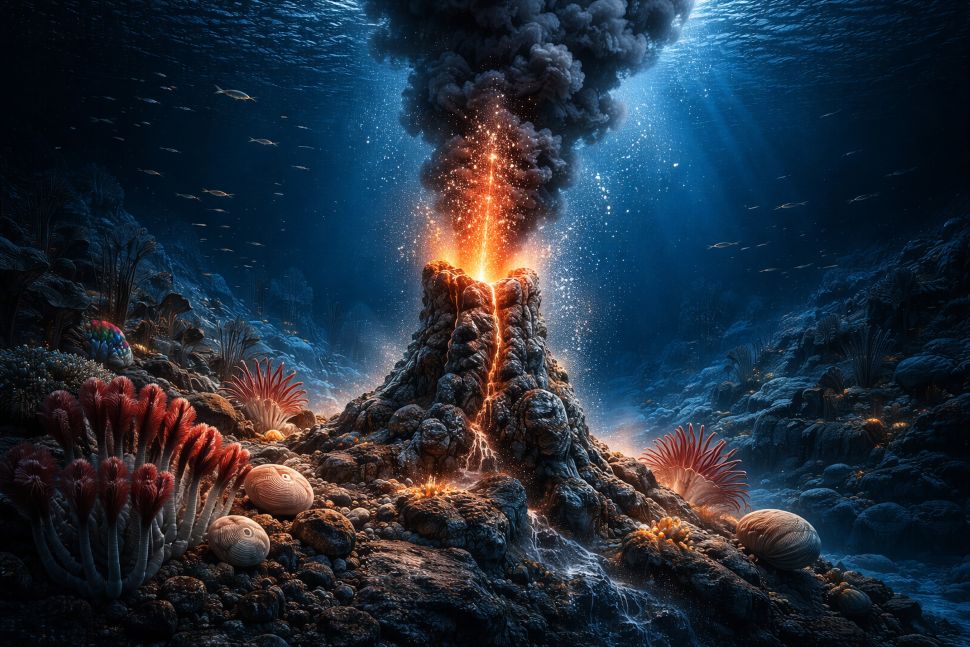
This microorganism lives in the Guaymas basin in the Gulf of California (Mexico), at a depth of about 2,600 meters below sea level. This is an area with continuous hydrothermal vents releasing super-hot liquids, rich in minerals in a dark environment, high pressure and almost oxygen-free.
Thermococcus gammatolerans was discovered when scientists used submarines to collect samples at hydrothermal vents. In the laboratory, a research team led by Edmond Jolivet of the French National Center for Scientific Research irradiated samples with gamma rays. A bacterial strain continues to grow even when exposed to extremely high levels of radiation.
It is noteworthy that this radiation resistance is not a necessary factor in the natural living environment of bacteria. Thermococcus gammatolerans thrives at temperatures around 88 degrees Celsius and uses sulfur compounds to survive.
Genome research published in 2009 showed that this bacterial species does not possess a superior DNA repair system. However, subsequent experiments showed that the level of damage caused by radiation was lower than expected, and most damage was quickly overcome thanks to effective repair enzymes.
Scientists believe that the harsh living environment at the hydrothermal vent may be the cause of this special ability. Conditions such as high temperatures, high pressure and strong chemical reactions can also damage DNA, forcing microorganisms to develop effective protection mechanisms.
The radiation tolerance of Thermococcus gammatolerans is seen as a consequence of the process of adapting to extreme environments, rather than evolving directly to resist radiation. This shows that mechanisms that help organisms survive in harsh conditions can provide capabilities far beyond initial needs.


