
On June 6, in an exchange with Lao Dong Newspaper, Mr. Nay Phi La - Director of Dak Lak Provincial Department of Health - said that the locality is piloting a periodic health check-up and screening program for people in 4 communes and wards. After evaluating the effectiveness, the province will replicate the model throughout 102 communes and wards.
According to Mr. Nay Phi La, this is a policy of particular importance, expressing the view of putting people at the center in the work of caring for, protecting and improving health.
This is not only a professional activity of the health sector but also an important political task, contributing to improving the quality of human resources, ensuring social security and promoting sustainable development of the locality," Mr. Nay Phi La emphasized.
Through the program, the health sector has conditions to detect non-communicable diseases early such as high blood pressure, diabetes, cardiovascular disease, cancer... From there, provide timely advice and treatment, limit complications and reduce the cost burden for people.
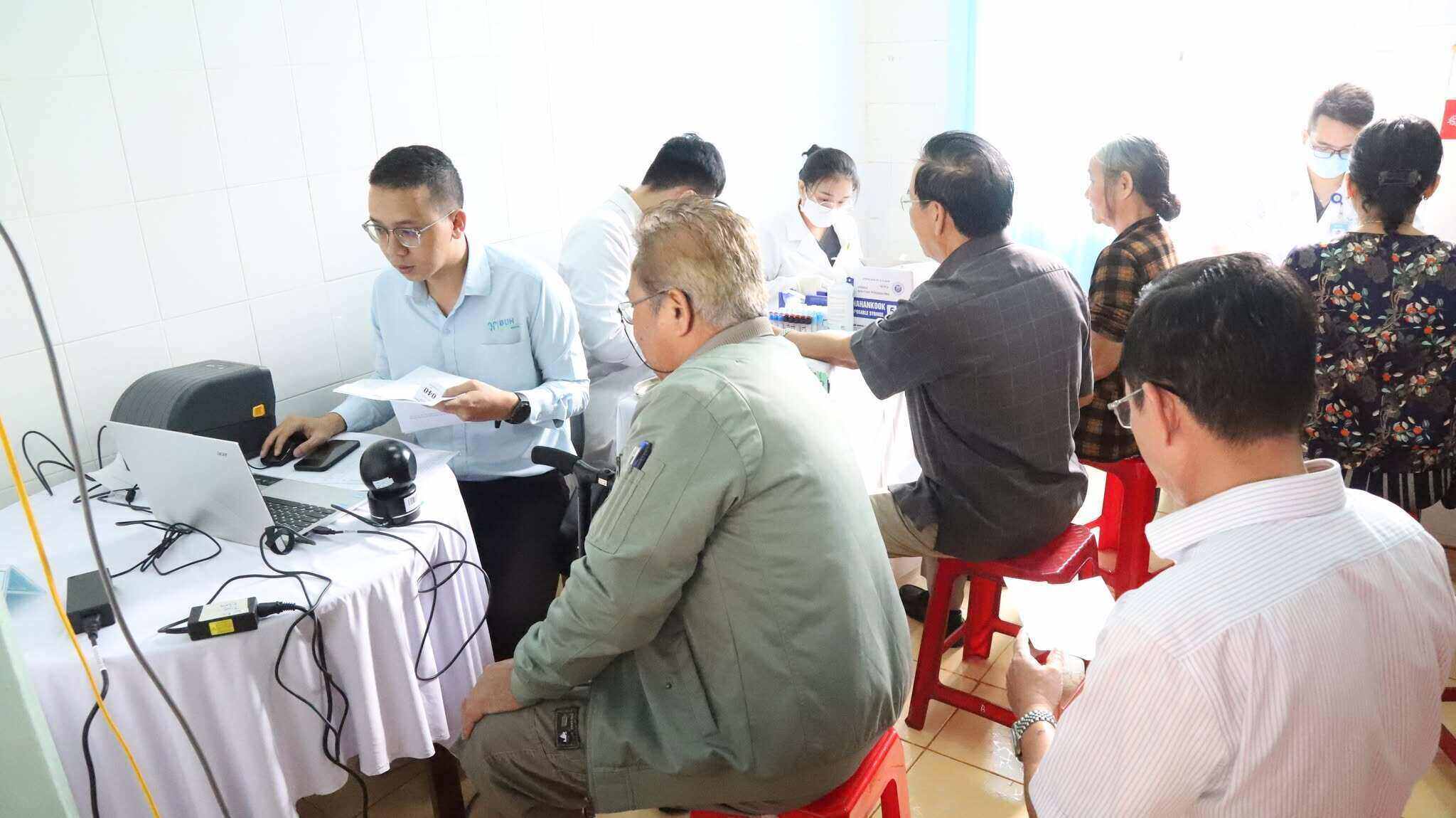
The program also contributes to building and perfecting electronic health records, creating a foundation for universal health management and promoting digital transformation in the health sector.
However, the implementation process still faces many difficulties due to the wide area, many remote and isolated areas, and ethnic minority areas still have limited travel conditions. Human resources and equipment at some medical facilities have not fully met the requirements.
In addition, a part of the population still has a mentality of only going to medical facilities when symptoms appear, and has not formed the habit of periodic health check-ups. This requires levels and sectors to continue to promote propaganda and raise community awareness about the role of early detection and timely treatment of diseases.
In the coming time, the Dak Lak health sector will advise the Provincial People's Committee to invest in upgrading facilities, supplementing equipment for medical examination and treatment facilities, especially at the grassroots health level; strengthening training and fostering human resources; promoting the application of information technology, completing the people's health database and expanding mobile health check-up programs in remote and isolated areas, and ethnic minority areas.
Mr. Nay Phi La affirmed that the implementation of the periodic health check-up and screening program is a step in line with modern medical trends, shifting strongly from "healing" thinking to "prevention, care and protection of health".
At the same time, this is also an important premise to improve the quality of life of people, reduce the burden of disease and treatment costs. Thereby, contributing to building Dak Lak to develop rapidly and sustainably, putting people at the center of all development policies.
The prioritized target groups for early deployment include the elderly, people with meritorious services to the revolution, people with disabilities, poor households, near-poor households, people with chronic diseases, ethnic minorities and people living in difficult areas.


