
On December 30, Corps 15 (Ministry of National Defense) said that the Ia Dom border commune cultural house is one of 9 houses built by the Central Military Commission and the Ministry of National Defense directing agencies and units in the Army to coordinate with local Party committees and authorities.
According to Major General Hoang Van Sy - Commander of Corps 15, the Rong house is the "heart", "soul" and sacred cultural symbol of the Central Highlands ethnic people; at the same time, it is a community activity center, a place to preserve traditional cultural values and show the strength of national unity.
In recent years, along with the task of socio-economic development associated with national defense and security, Corps 15 has paid special attention to propaganda and support for ethnic minorities in the area to preserve and promote traditional cultural identity.
Typical activities include supporting the construction and repair of communal houses and living houses; developing gong and chieng cultural spaces; restoring and maintaining unique cultural festivals. Thereby, contributing to building the potential and solid national defense and security posture right from the grassroots level, from villages and hamlets.
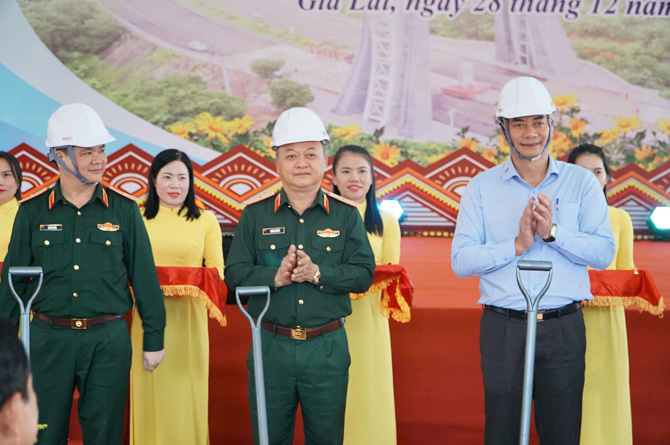
The cultural brothel projects are implemented according to a roadmap including 3 stages: completing design documents and appraisal and reporting procedures; organizing construction; acceptance, inauguration and commissioning, expected to be completed in September 2026.
The project carries profound political, cultural and social significance; is a vivid symbol of the spirit of military-civilian solidarity, the cultural life of the community of ethnic groups in the Central Highlands; and at the same time expresses the responsibility, feelings and affection of officers and soldiers of the Vietnam People's Army towards ethnic minorities in the Central Highlands in general, and the people of Ia Dom commune in particular.
The design and construction process of works must ensure compliance with the cultural identity, customs, habits and beliefs of local ethnic minorities; harmony between traditional values and the requirement of sustainable and long-term use.
At the same time, strengthen close coordination between construction units and local Party committees, authorities and people; promote the supervisory role of the community; manage and use resources effectively and transparently, prevent and combat wastefulness and negativity.


