
On May 18, the Dak Lak Provincial Agricultural Extension Center announced that it had just organized technical training classes on mulberry growing, silkworm farming and silkworm silkworm value chain development in Ea Knop and Ea Kar communes to support farmers in accessing technical advances, expanding production, and increasing income. Each class has about 60 participants.
Participants include households growing mulberry, households with the need to develop silkworm breeding, agricultural extension officials, commune-level agricultural officials, village and hamlet officials, and representatives of local mass organizations.
The training content focuses on introducing new high-yield strawberry varieties, guiding strawberry planting techniques according to procedures and sharing effective value chain linkage models.
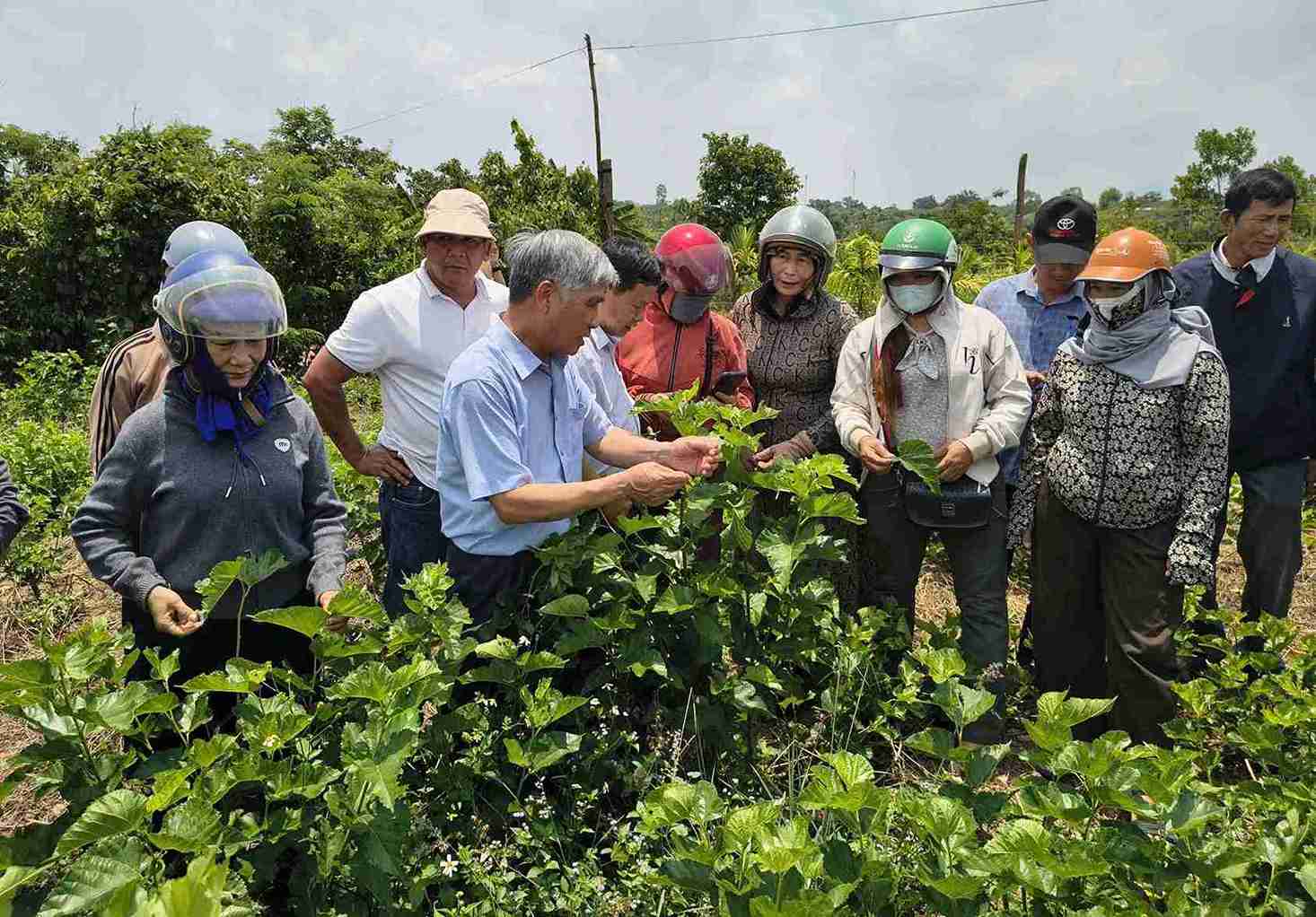
Dr. Le Quang Tu - Chairman of the Vietnam Silkworm Strawberry Association - said that the training process focused on introducing new strawberry varieties with high yield and quality; guiding strawberry growing techniques according to procedures; and sharing effective value chain linkage models for strawberry growing and silkworm farming in the locality.
In addition to the theory part at the hall, students also visited the reality at households that are developing mulberry growing and silkworm farming models to exchange production experiences, learn about economic efficiency and the ability to replicate the model.
Hopefully after the training course, people in the two localities will effectively apply the techniques that have been guided to production practice, gradually improve the household economy, contributing to sustainable poverty reduction in the locality," Dr. Tu shared.
Mr. Nguyen Duc Vuong - Chairman of the Board of Directors of EaKar Organic Agricultural Cooperative - said that the unit has coordinated with the Provincial Agricultural Extension Center to organize 2 training classes, each class with 60 trainees participating.
The goal of the program is to develop mulberry growing areas to serve silkworm breeding for cocoons, contributing to creating sustainable livelihoods and increasing income for farmers. Mulberry trees after planting for about 6 months can harvest leaves for silkworm breeding. This model brings high economic efficiency, with estimated income of about 500 million VND/ha/year.
The mulberry growing and silkworm farming profession also creates a stable monthly income for people; and at the same time, it takes advantage of local labor, including the elderly and children who can participate in helping with suitable jobs" - Mr. Vuong added.
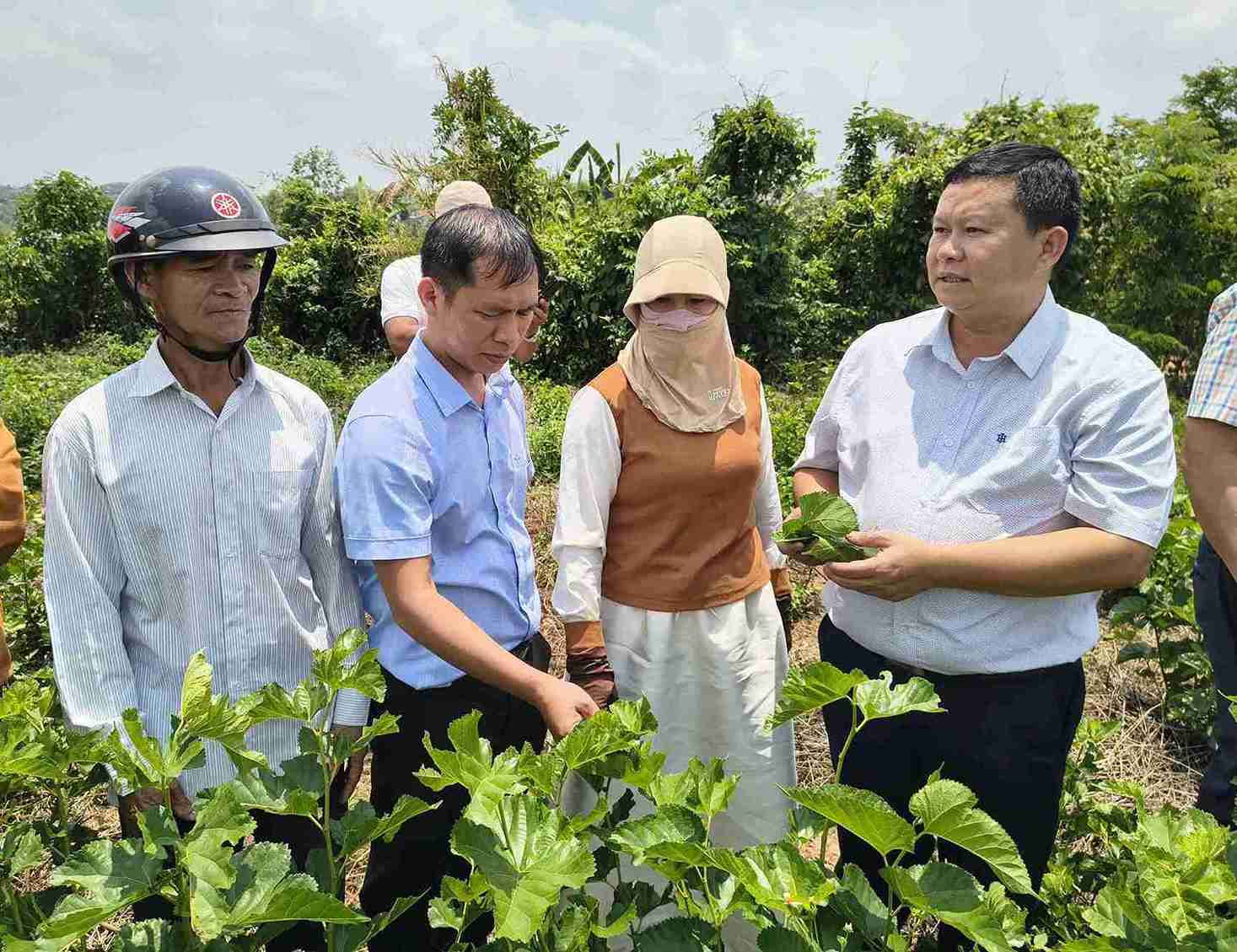
Mr. Dinh Van Dang, Director of Dak Lak Provincial Agricultural Extension Center - said that in the coming time, the unit will continue to advise the Department of Agriculture and Environment to propose to the Provincial People's Committee to create favorable mechanisms, prioritize resources, and build raw material areas for growing mulberry and raising silkworms, associated with traditional craft villages.
The unit also deployed the construction of many demonstration models; opened training classes to transfer scientific and technical advances to support people to access more economic models suitable to the conditions of each locality. Thereby, contributing to improving income and developing the rural economy.


