
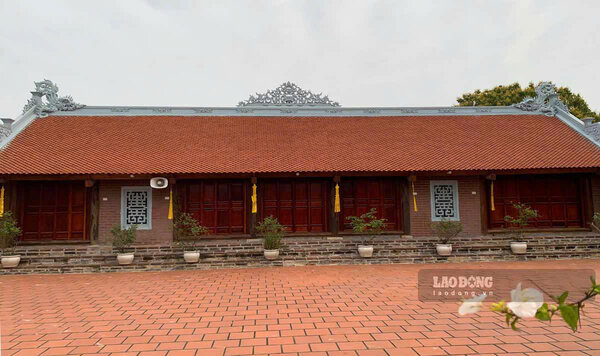
Phuc Chi Pagoda in Van Thang commune, Ninh Binh province was built from the Tran Dynasty, associated with Tran Nhat Duat after victory over the Nguyen army. The pagoda is located on a spacious, airy land, and in the 19th century, it was greatly restored, creating a majestic appearance like today.
According to preserved documents, the pagoda is a place for religious activities, along with a close connection with the revolutionary struggle movement. At the end of 1929, the Indochinese Communist Party Cell was established here in Nghia Hung with 13 people.
During the resistance war against France, the pagoda became a meeting place, hiding documents and an important liaison station of the revolutionary forces.
From this basis, the spirit of solidarity among the local people was ignited, contributing to neighboring regions participating in seizing power, protecting and nurturing revolutionary cadres.
Thanks to its typical historical, cultural and revolutionary values, Phuc Chi Pagoda was recognized as a National Relic in 1990.
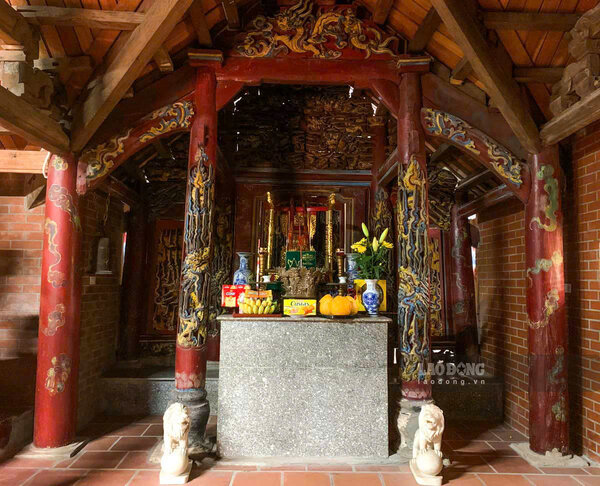
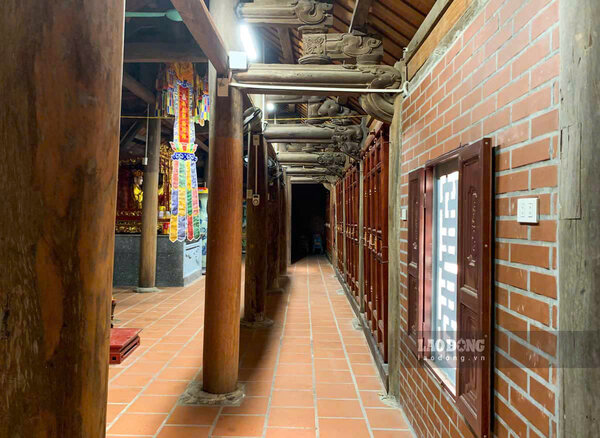
In terms of architecture, the pagoda is built according to the Son-shaped plan, in the style of "trùng thềm điệp ốc". The project includes a 7-compartment front hall and 3 rear buildings, of which the central building has 3 compartments, and on both sides of each building are 2 compartments for worshiping Mother Goddess and Tran Nhat Duat. Right at the entrance is the Cuu Pham tower, more than 10m high, creating a highlight for the overall relic.
Currently, the pagoda is a spiritual activity point, and also a place for schools to organize visits, contributing to educating historical traditions and fostering patriotism for the younger generation.


