
In the peaceful rural space of Hanh Thien village (Xuan Hong commune, Ninh Binh province), Keo Hanh Thien Pagoda has long been considered one of the typical architectural works of the Northern Delta region.
This place is not only famous for its ancient beauty but also associated with the tradition of studiousness of the land known as the village of scholars.
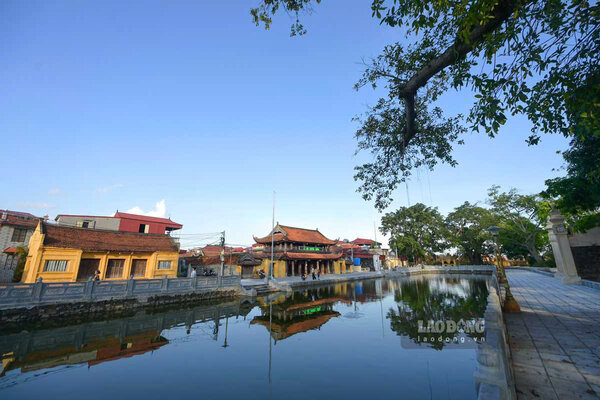
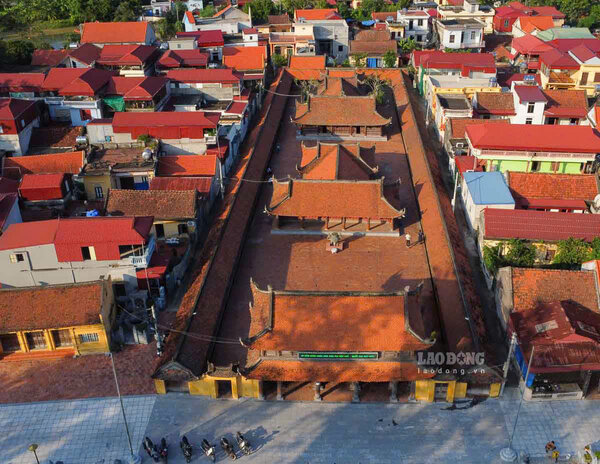
The pagoda consists of 2 main areas: Keo Trong Pagoda (Than Quang Pagoda) and Keo Ngoai Pagoda (Dinh Lan Pagoda). The predecessor of the relic was Nghiem Quang Pagoda, built by Zen Master Duong Khong Lo in 1061 under the Ly Dynasty in Giao Thuy region (now Ninh Binh province).
After historical upheavals, especially the major flood in 1611 that swept away the old pagoda, residents relocated and built a new pagoda in Hanh Thien village today.
Currently, the pagoda is located on a campus of more than 1ha with a complete system of works such as: Tam quan, bell tower, Phu Mau, Buddhist pagoda, Saint temple and ancestral house.
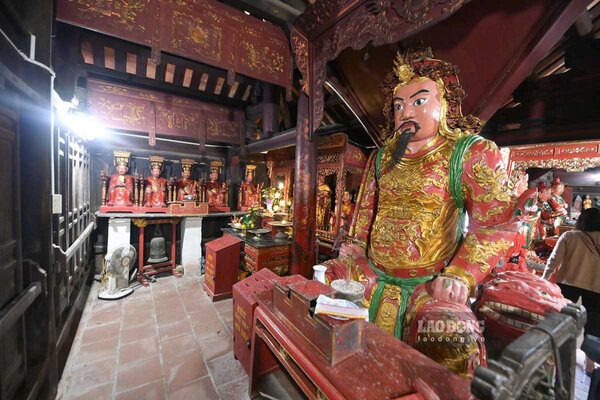
The entire architecture is made of ironwood, highlighted by sophisticated carved details. The pagoda layout is in the style of "nội công ngoại quốc" with 121 continuous compartments, creating a harmonious and symmetrical overall.
In front of the pagoda is a calm semi-moon lake, contributing to creating a peaceful and ancient landscape. The space here brings a feeling of relaxation, separated from the noisy pace of life.
With its unique historical and architectural values, Keo Hanh Thien Pagoda was ranked as a Special National Relic in 2016. In 2019, the pagoda festival was also recognized as a National Intangible Cultural Heritage.
Another unique feature is that the pagoda does not have a abbot. The caretaking work is performed by village heads in a rotating manner, continuing the tradition of "father-to-child succession" that has been maintained through many generations.


