
Starting from April 17-19, at the Village of Culture - Tourism of Vietnamese Ethnic Groups, a series of activities on the Vietnamese Ethnic Culture Day will take place.
This year's event is of special significance as it celebrates Vietnamese Ethnic Culture Day (April 19) and the 80th anniversary of Uncle Ho's letter to the Congress of Southern ethnic minorities. Thereby, affirming the concern of the Party and State for the work of preserving and promoting traditional cultural values.
The opening highlight is the National Conference to deploy national cultural work, combined with commending village elders, village chiefs, and typical artisans - "people who keep the fire" of culture in the community. In addition, the delegation will organize reports and visit the Mausoleum of President Ho Chi Minh, expressing gratitude and continuing the spirit of national unity.
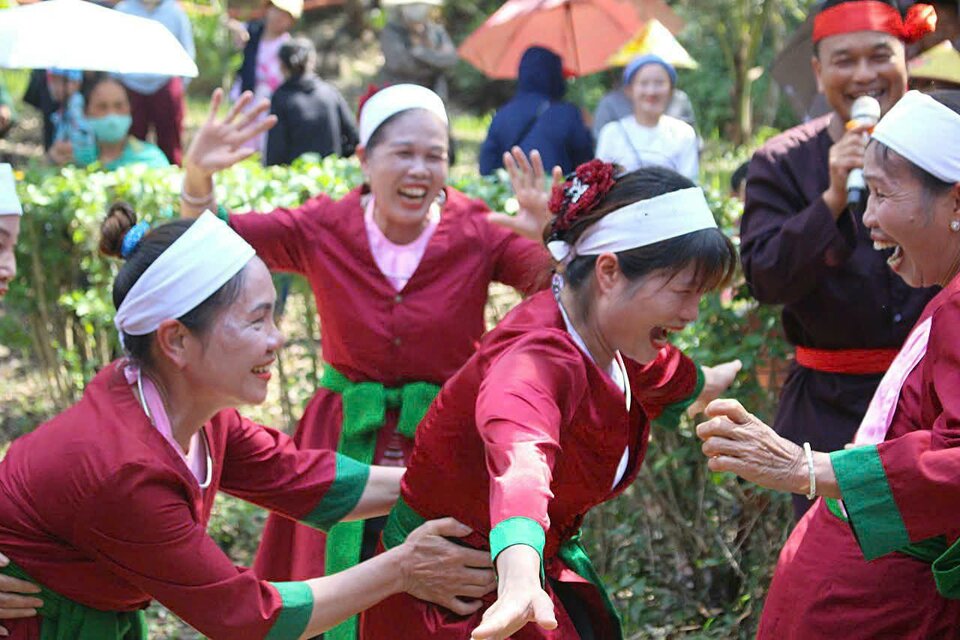
The festival gathers more than 300 artisans and ethnic minorities representing 54 ethnic groups from 34 provinces and cities across the country. Among them, there are about 125 ethnic minorities from localities such as Vinh Long, Lam Dong, Thanh Hoa, Quang Ninh; along with more than 100 artisans from 16 ethnic groups who are regularly living in the village. In particular, many village elders, village heads, artisans and typical prestigious people also participate, contributing to spreading and preserving traditional cultural values.
The festival space became vibrant with community exchange activities, heritage performances, and re-enactment of unique traditional rituals. Prominent are the Ok-om-bok moon worshiping ceremony of the Khmer people in Vinh Long province; the new rice celebration of the Chu Ru ethnic group (Lam Dong); the unique double wedding ceremony of the Thai people (Thanh Hoa); or the Then teaching ritual of the Tay ethnic group (Quang Ninh).
In parallel, there are folk art programs, traditional craft performances, culinary spaces, tourism and cultural experiences, creating conditions for tourists to directly interact and explore the depth of each region's identity.
Not only is it an occasion to honor, this series of activities also opens up a space for meeting, exchanging, and learning between ethnic communities, contributing to tightening the great unity bloc and spreading traditional cultural values in modern life.


