
7.5 million visitors from Ho Chi Minh City to the Mekong Delta
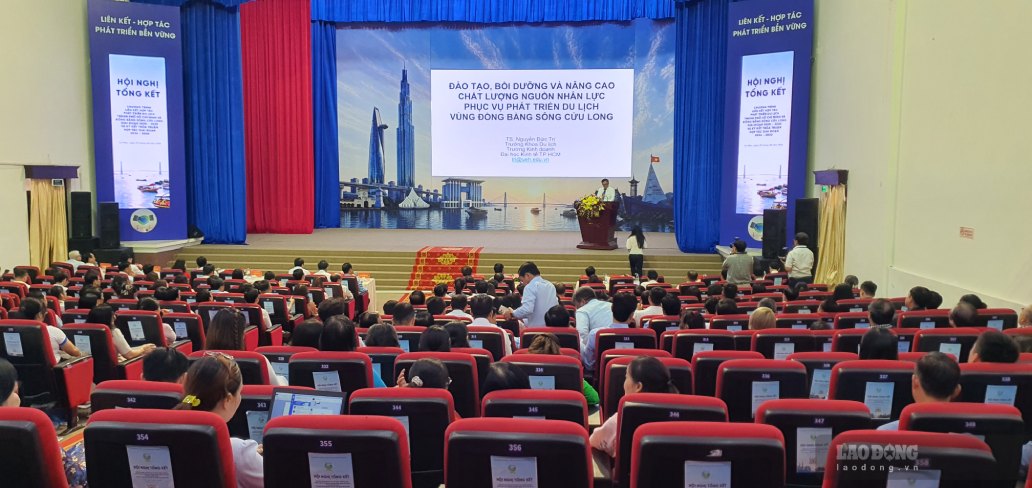
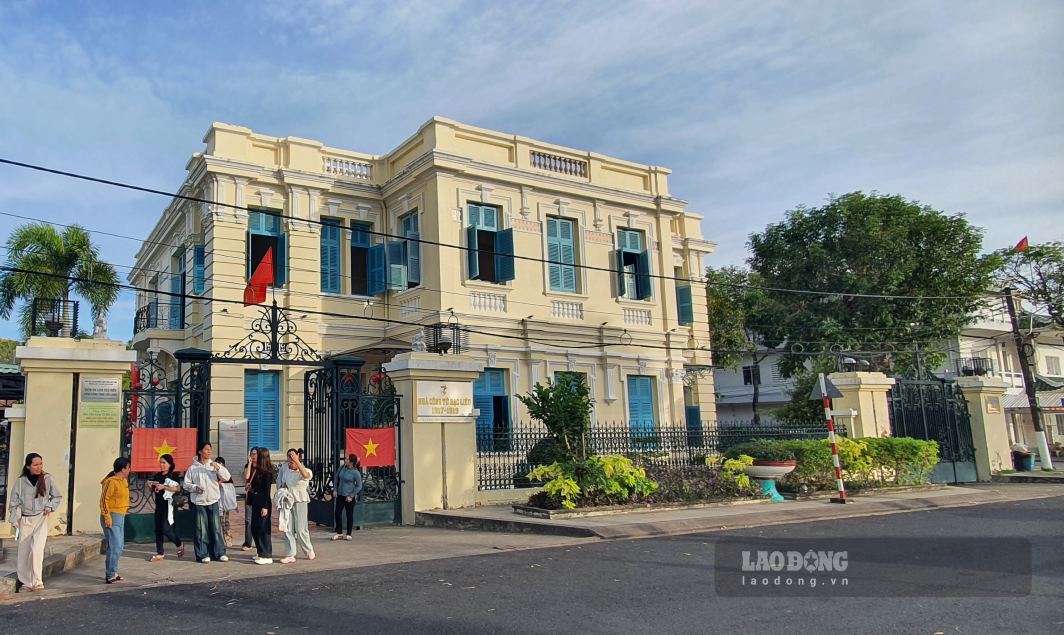
On August 29, in Bac Lieu ward, Ca Mau province, the Ho Chi Minh City Tourism Development Cooperation Coordination Council and Mekong Delta provinces and cities organized a conference to evaluate the results of cooperation and discuss solutions for regional tourism development in the new period.
At the conference, many presentations frankly contributed ideas on the bottlenecks of Mekong Delta tourism, from human resources, products, agricultural tourism to service quality and the ability to retain tourists.
According to the Ho Chi Minh City Tourism Development Cooperation Liaison Council and Mekong Delta provinces and cities, in the period 2020-2024, about 7.5 million visitors were regularly brought to the Mekong Delta by 100 Ho Chi Minh City tourism and travel businesses participating in the linkage.
Domestic tourists dominate, mainly experiencing culture, ecology, rivers and gardens, and Southern cuisine.
This figure shows that Ho Chi Minh City is an important visitor market for Mekong Delta tourism. However, many opinions believe that the increase in the number of visitors does not mean effectively exploiting the value of each trip.
The problem is how to make tourists stay longer, spend more and have a reason to return, instead of just visiting for a short time and then continuing to travel.
In the 2026-2030 period, provinces and cities are oriented to select typical products to be included in the common product chain. Ho Chi Minh City continues to promote strengths in urban tourism, MICE, culture - history, cuisine and night economy; Mekong Delta localities focus on riverine ecology, agriculture - rural areas, craft villages, communities, islands and sea and waterways.
Deeper linkage to improve the quality of Mekong Delta tourism
Speaking at the conference, Chairman of Ca Mau Provincial People's Committee Lu Quang Ngoi said that the tourism link between Ho Chi Minh City and the Mekong Delta provinces and cities has contributed to connecting resources, markets, businesses and products, gradually forming an inter-regional tourism space.
However, he also pointed out limitations when products between localities are still duplicated; the connection between routes, points and businesses is not tight; infrastructure and service quality at some destinations do not meet requirements.
These are also issues that many delegates focused on discussing. The Mekong Delta has advantages in rivers, water, agriculture, culture, islands and cuisine, but turning these advantages into competitive tourism products still requires methodical investment.
Many opinions mentioned the requirement to improve the quality of human resources, from service skills, communication to organizational and product management capacity. Tourists' experiences depend not only on the beauty but also on the way they are welcomed, served and cared for throughout the journey.
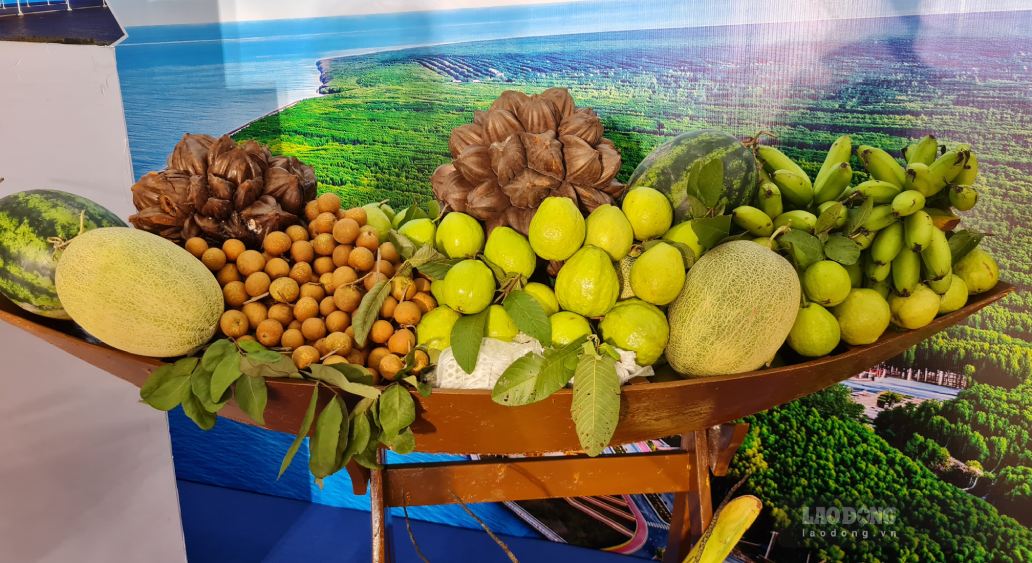
Agricultural tourism is considered a large potential of the Mekong Delta. However, localities need to avoid the simple way of taking visitors to visit gardens and fields, but must link experiences with local culture, people's lives, specialty products and the unique stories of each region.
Ca Mau proposes that in the 2026-2030 period, tourism linkages need to shift from coordinating activities to jointly creating products; from sharing information to jointly exploiting the market; from linkages between management agencies to deeper linkages between businesses and entities in the tourism value chain.
According to this orientation, Ho Chi Minh City continues to play the role of connecting and distributing customers; Mekong Delta provinces and cities promote their own advantages to form complementary inter-regional journeys, limiting product duplication.
The problem of tourism in the Mekong Delta is not only to attract more tourists but also to improve the quality of experience, extend the length of stay, and create reasons for tourists to return.


