
Honoring wet rice civilization
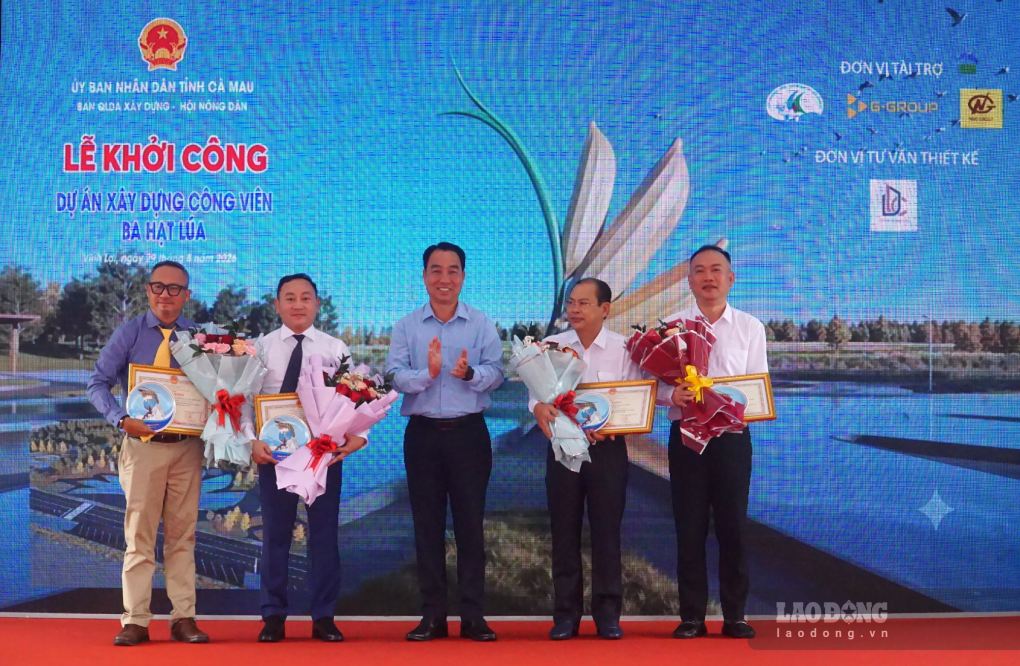
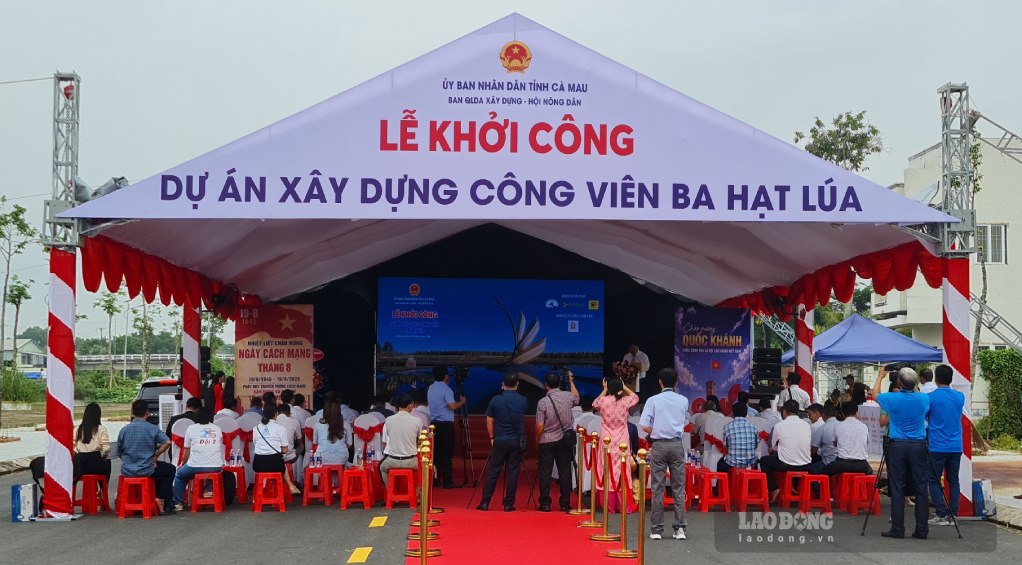
On the morning of August 29, Ca Mau Provincial People's Committee held a groundbreaking ceremony for the Three Rice Grains Park construction project in Vinh Loi commune. The project is part of a series of activities to celebrate the 81st anniversary of the August Revolution and National Day 2/9.
The park is invested on an area of nearly 1.5ha, including technical infrastructure items and symbolic works honoring wet rice - Three Grains of Rice.
The project will invest synchronously in yards, internal roads, power supply and drainage systems, green trees, lawns, landscape lakes, flower beds, public toilets, outdoor performance stages and auxiliary works.
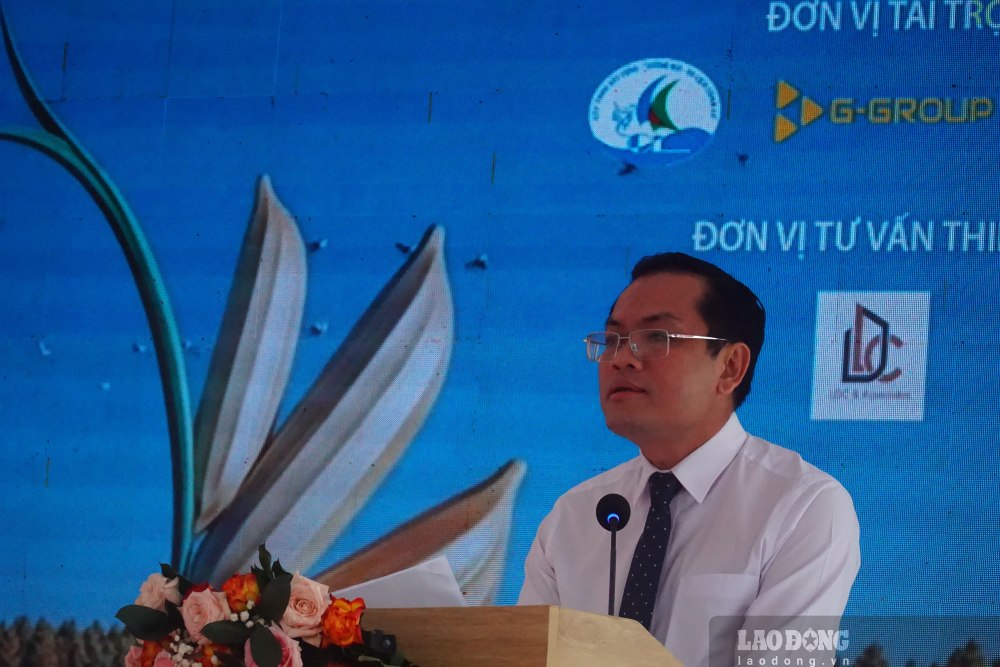
Chairman of the Ca Mau Provincial Farmers' Association Nguyen Hoang Thoai said that this is a project of special significance for farmers in the province. For the first time, Ca Mau has a symbolic space to honor rice, rice farming and the values of agricultural production.
According to Mr. Nguyen Hoang Thoai, when completed, the Provincial Farmers' Association will coordinate with sectors and localities to research and exploit the park not only as a place to visit and take photos but also to become a space for cultural, educational, and agricultural experience activities; introducing products, labor achievements, and typical agricultural models of the locality.
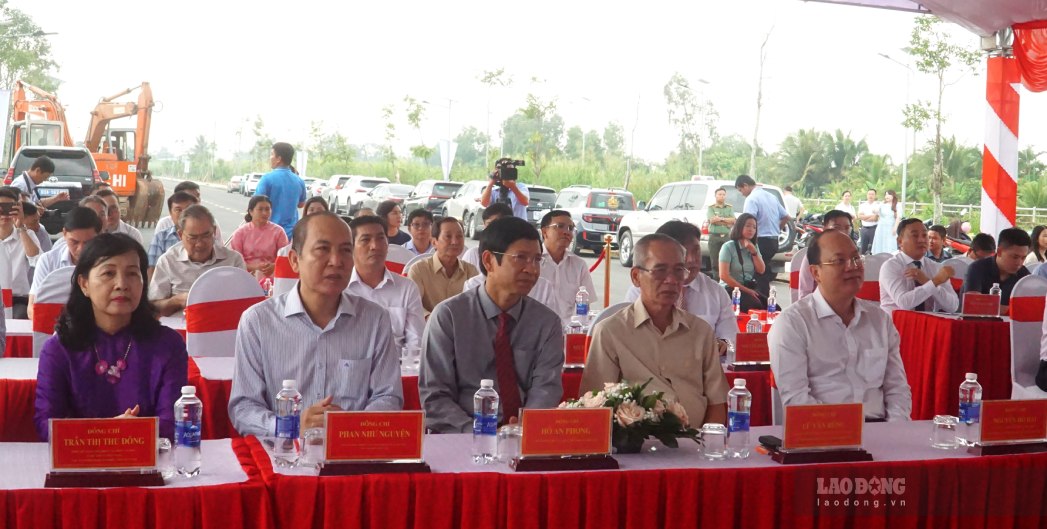
Vice Chairman of Ca Mau Provincial People's Committee Ngo Vu Thang said that Ca Mau land with alum and salt conditions once posed many challenges for the agricultural development process. Therefore, rice grains are not only a product of labor but also a symbol of diligence, creativity and the aspiration to rise up of many generations of farmers.
In the overall park, the Three Rice Grains symbol is an architectural and cultural highlight. The Three Rice Grains are arranged vertically, representing different growth states, evoking the story of the rice plant life cycle and the development journey of the rice farming profession.
Connecting destinations on the heritage route
According to the Vice Chairman of Ca Mau Provincial People's Committee, when completed, Ba Hat Lua Park will not only serve the entertainment and cultural activities of the people but is also expected to become a tourist destination, experience and check-in, contributing to promoting wet rice culture, agricultural products and local specialties.
Notably, the park is identified as a connecting point in the orientation of forming the province's "Heritage Road" in the future.
From Ba Hat Lua Park, the connecting route will gradually expand to landmarks and relics such as Vinh Hung ancient tower, Ho Chi Minh Temple, Vinh Loi District Party Committee base area, Giac Hoa Pagoda, Chau Hung communal house, agricultural tourism experience area, Ancient Nong Temple and Dam La Toi Troi.
Through this route, visitors can visit buildings, learn about the history and cultural identity of the locality, experience agricultural activities, and enjoy the unique cuisine of Ca Mau land.
Connecting destinations is expected to contribute to diversifying tourism products, extending the length of stay of tourists, creating more livelihoods for people and promoting the image of Ca Mau through unique cultural, historical and agricultural values.


