
Tourism development is a common task
With the goal of developing tourism into a key economic sector, Resolution 26-NQ/TW of the Politburo affirms 5 guiding viewpoints that need to be thoroughly grasped and implemented drastically, synchronously, and effectively, including:
Developing tourism to truly become a key economic sector, a new driving force for the country's growth, contributing to the implementation of the "two-digit" growth target; taking culture as the core foundation, identity and quality of experience as a competitive advantage; developing based on the application of science and technology, innovation and digital transformation.
Developing tourism according to the integrated economic ecosystem, creating motivation for the development of trade, services, transportation, cultural industry, creative industry, agriculture, digital economy, night economy and other industries and fields, both resonating to increase added value and ensuring the connection and sustainable development of economic - cultural - social - environmental pillars, consolidating national defense and security, social order and safety, expanding cultural diplomacy, and international integration.
Restructuring the tourism industry, strongly shifting the development model from quantity to quality, smart, green, and creative; focusing on improving the quality, experience efficiency, and competitiveness of tourism products and services; improving the quality of human resources, and effectively solving labor, employment and social security issues.
Improving tourism management capacity in a modern direction, applying digital technology, data-based management associated with development space planning, expanding creative space, preserving and promoting the cultural heritage values and good traditions of the nation.
Tourism development is the task of the entire political system under the leadership of the Party and the management of the State; businesses are the pioneering force; the people are the participating and beneficiary subjects; ensuring close, synchronous, and effective inter-sectoral and inter-regional coordination; a fair and favorable tourism business investment environment; mobilizing, allocating, and effectively using domestic and international resources for tourism development.
Target by 2030, Vietnam tourism will welcome 45-50 million international visitors
The Resolution sets a target that by 2030, Vietnam's tourism is a key economic sector directly contributing 10-12% of GDP, maintaining its leading position in Southeast Asia in terms of scale and growth rate; striving to welcome 45-50 million international visitors, serve 160 million domestic visitors; focusing on the high-spending, long-term accommodation market; total revenue from tourism reaches 80-90 billion USD.
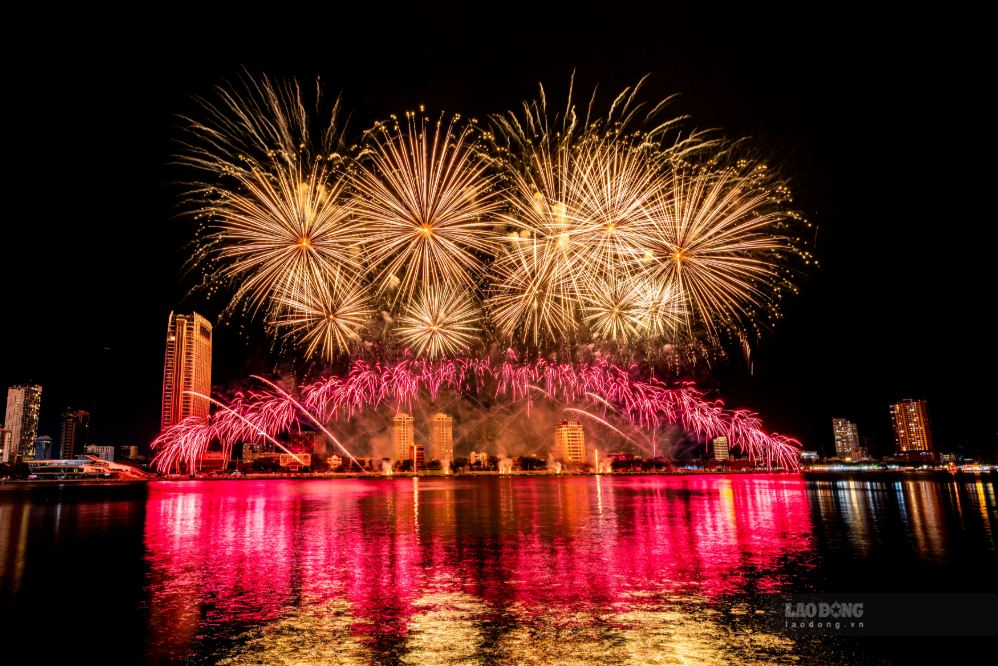
Strongly develop 3 growth poles of tourism: Hanoi, Ho Chi Minh City, Da Nang; 10 key tourist centers; 20 national tourist areas; 15 tourism corporations and general corporations with strong brands and international competitiveness; ensuring about 1.5 million tourist accommodation rooms. The entire industry creates about 2.3 million direct jobs and 3.5 million indirect jobs.
At the same time, forming a synchronous smart tourism ecosystem, national tourism database, and national digital tourism platform.
Striving to 2045, Vietnamese tourism develops modernly and sustainably, affirming the driving role of the economy, directly contributing 14-15% of GDP; belonging to the group of 30 countries with the world's leading tourism competitiveness; striving to welcome 70 million international tourists.
8 groups of strategic solutions: Unlocking resources, creating new development space
To realize the goal of making tourism a key economic sector in the new era, the Resolution identifies 8 groups of key tasks and solutions that are comprehensive and breakthrough.
First, innovate thinking, raise awareness and responsibility in tourism development.
Second, improve institutions and policies, create strategic breakthroughs, promote and unlock resources for tourism development.
Third, develop synchronous infrastructure, forming highly competitive tourism centers.
Fourth, develop markets, high-quality tourism products, and improve tourism economic efficiency.
Fifth, strengthen and improve the effectiveness of tourism promotion and promotion, and elevate the Vietnamese tourism brand.
Sixth, develop human resources, businesses and the tourism community to meet new development requirements.
Seventh, promote the application of science, technology, innovation, digital transformation and smart tourism development.
Eighth, innovate tourism management methods, improve the quality of green, smart, safe, and sustainable tourist destinations.


