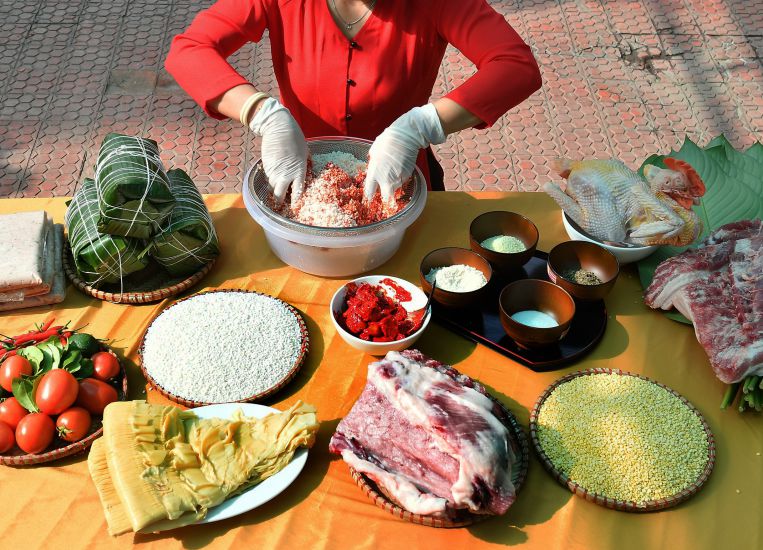
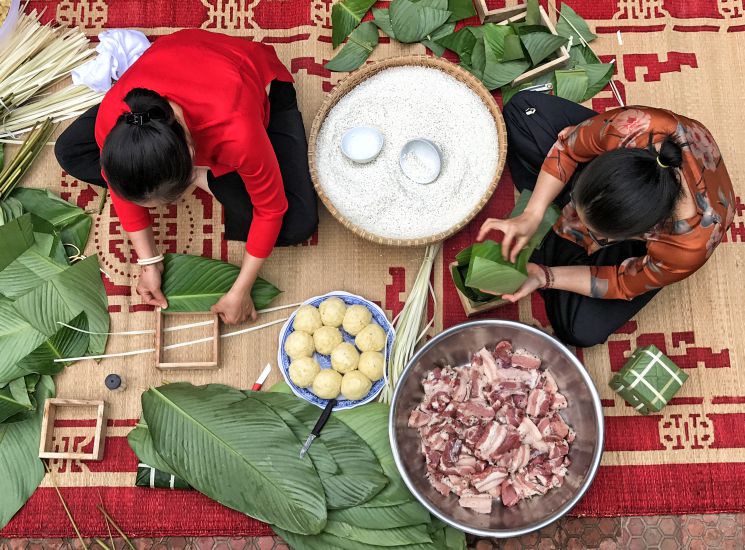
Speaking of Tet, one cannot fail to mention banh chung and banh tet. The banh chung is square or long and round, wrapped inside with sticky rice, green beans, and fatty meat - familiar ingredients, but when combined, they carry the meaning of fullness and warmth. On the last night of the year, the whole family gathers around a pot of boiling banh chung, adults tell old stories, and children eagerly wait for morning. The banh chung is not just for eating, but for remembering: Remembering the cold of the North, remembering the smell of moist dong leaves, remembering the feeling of staying awake with loved ones in the moment the old year gradually passes.
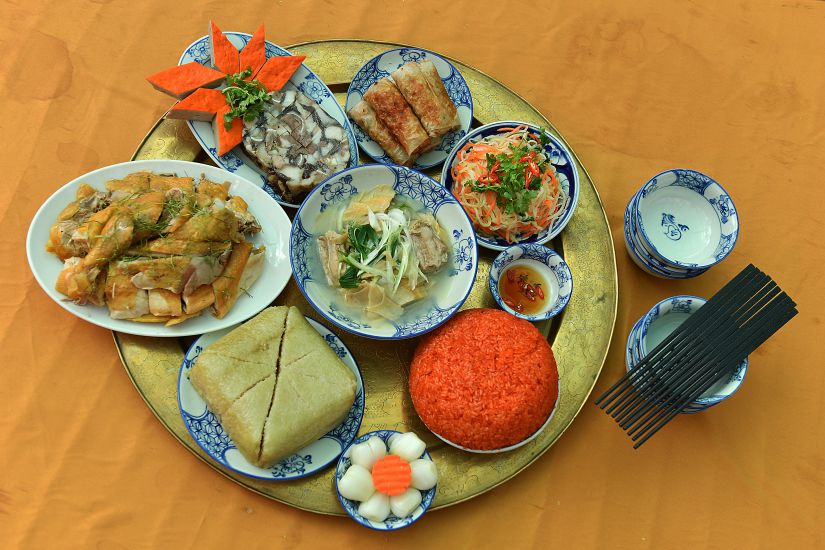
Besides banh chung, there is a Tet feast with countless symbolic dishes. In the North, it is a bowl of bamboo shoot soup cooked with pork legs, a plate of gio lua cut into round slices, clear frozen meat served with lightly sour pickled onions. In the Central region, it is rich with fermented pork roll, tré, pork soaked in fish sauce, salty dishes like the personality of people here. In the South, there is a bustling flavor of braised pork, bitter melon soup stuffed with meat, sending the wish " bitter melon", a new year lighter and more peaceful.
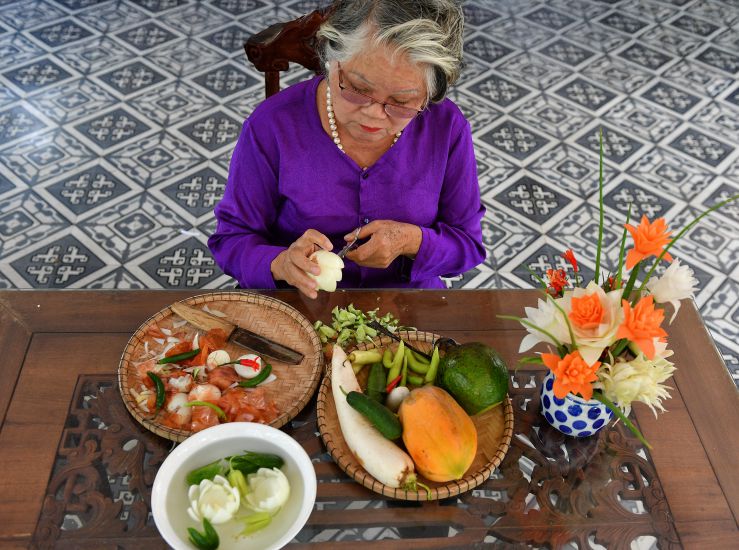
Pickled onions, pickled onions, and pickled dishes are indispensable "supporting characters" on the Tet dining table. Just a crispy, slightly spicy piece of pickled onion, the meal is much more balanced. Vietnamese people are skillful in using sourness to soothe the fatty taste, using simplicity to support elaborate dishes. It is this sophistication that makes Tet cuisine not boring, even if it lasts for many days.
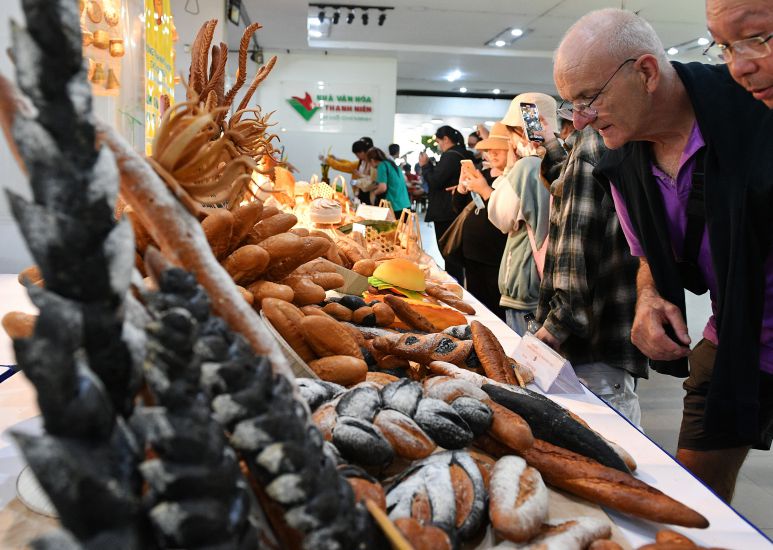
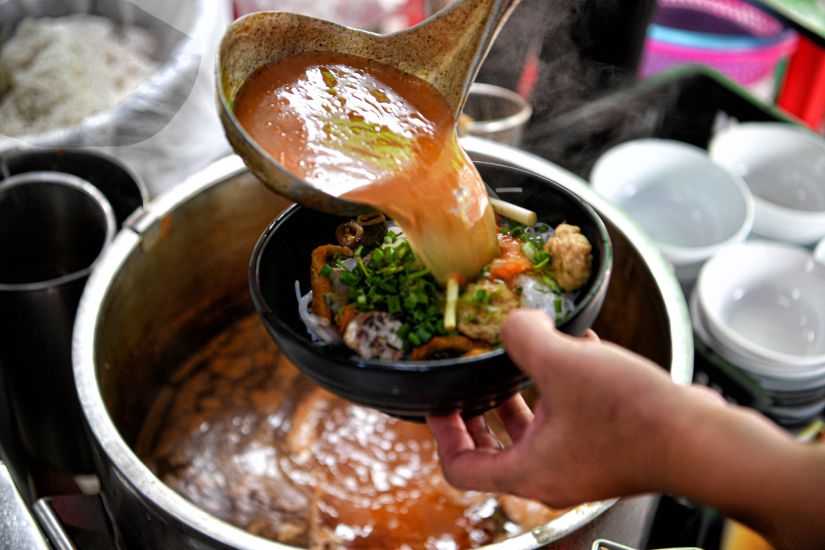
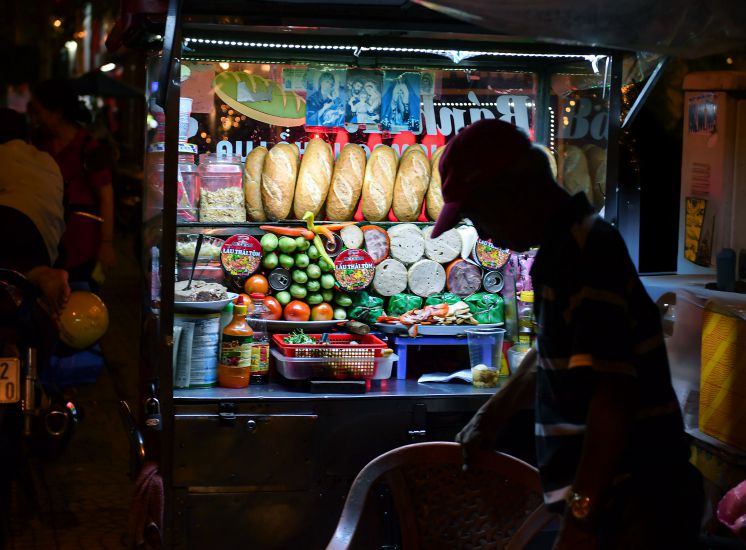
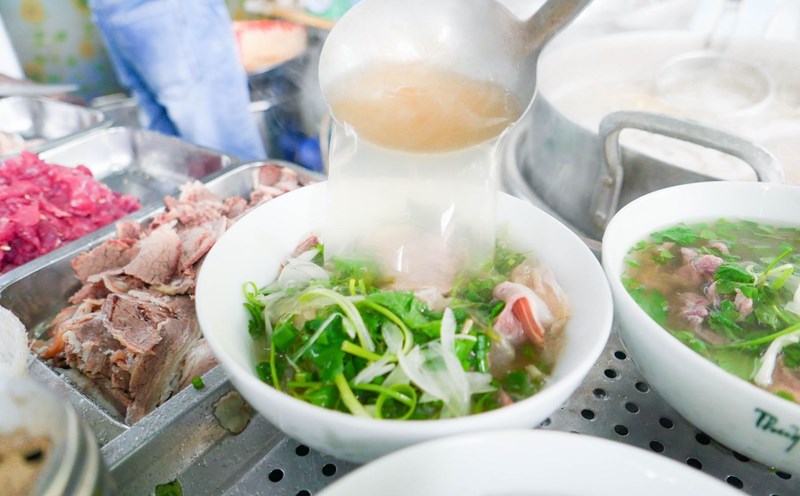
However, Vietnamese cuisine does not only live in holidays. After Tet, when peach blossoms begin to fade, life returns to its normal pace, familiar dishes continue to be present, silently but persistently. A hot bowl of pho in the morning, thin smoke rising in the chilly spring weather, enough to awaken the whole city. A crispy loaf of bread, with pate, spring rolls, herbs, quickly but completely, follows Vietnamese people for many years.
Everyday family meals with vegetable soup, eggplant, braised fish in a pot or a plate of fried eggs also carry a very unique beauty. It's not fussy, but a familiar feeling, a "home flavor" that people remember wherever they go. These dishes do not need special occasions, but that's why they are associated for a long time, becoming a part of life.
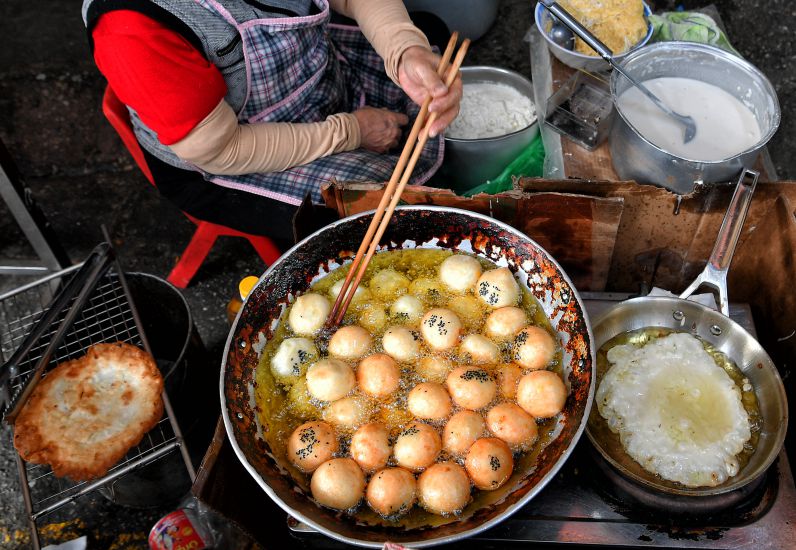
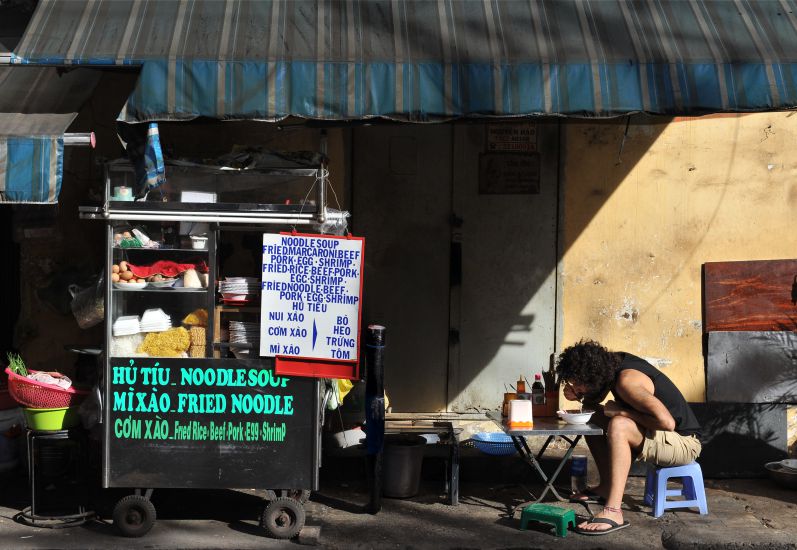
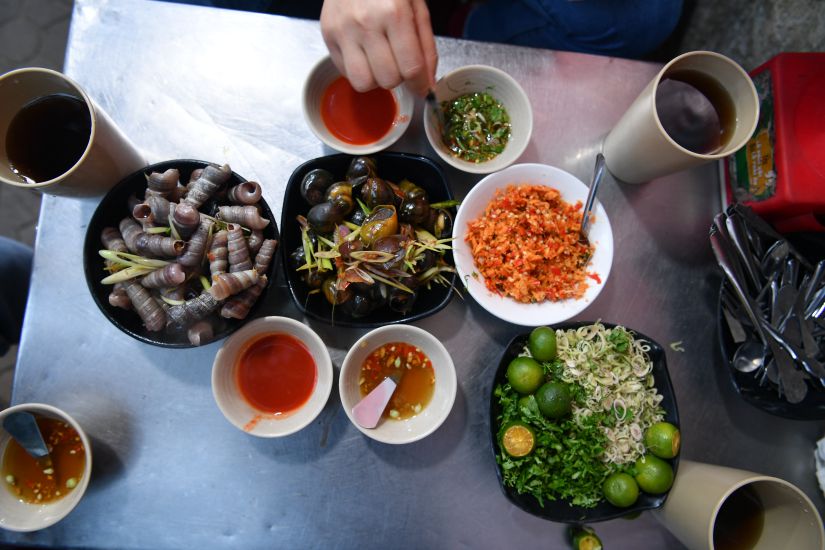
Interestingly, whether Tet or normal days, Vietnamese cuisine is always associated with people and space. From the image of street vendors, crowded markets before Tet, to simple meals after work, dishes always go hand in hand with the pace of life. Cuisine is not standing alone at the banquet table, but blending into festivals, labor, and collective memories.
Perhaps that's why every time spring comes, people not only want to eat well, but also want to eat together. A pot of shared braised pork, a plate of well-cut banh chung, a meal full of laughter, that's the spirit of Vietnamese cuisine. And amidst the brilliant spring colors, those dishes still quietly tell stories about reunion, about the belief in a new year full, warm and very familiar.