
Every morning at Nguyen Thi Minh Khai Elementary School, Tam Ky ward, the work of preparing lunch for nearly 400 students begins when food is just brought to the school gate.
Meat, vegetables, and fresh food are not immediately put into the kitchen. Teachers in the supervisory team must directly check, compare delivery documents, take pictures and update them into the school's common group.
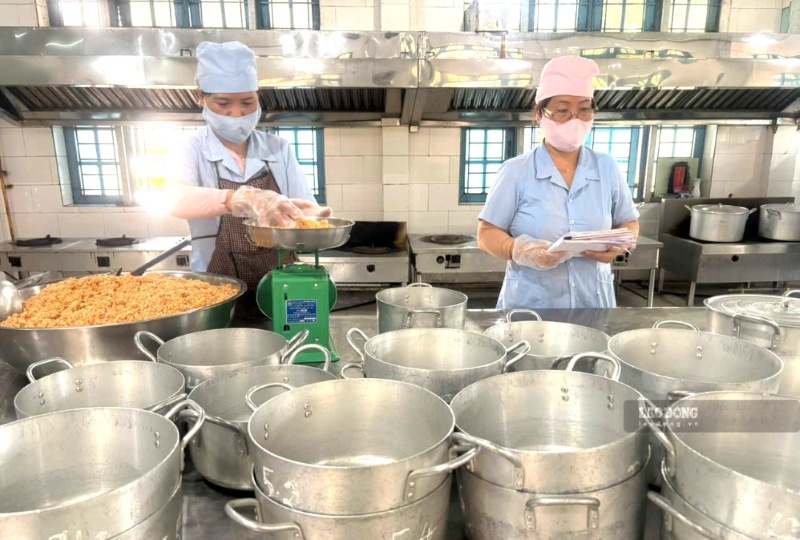
Ms. Bui Thi Diem - Principal of the school said that the supplier must have complete legal documents on food safety, and the meat must have a quarantine certificate.
Food entering the school must be of clear origin. The school is also regularly guided by the health agency on procedures and periodic inspections to ensure food safety for students" - Ms. Diem said.
Control from the "entrance" like this is being implemented more strictly by many schools before the new school year.
At Binh Minh Kindergarten, Tien Phuoc commune, this school year there are about 450 children eating daily at the school. In addition to selecting qualified suppliers, the school controls ingredients, cleans the kitchen, processing tools and prepares handling plans if abnormal signs appear after meals.
These seemingly small stages are especially important for boarding kitchens, where an error can affect hundreds of students at the same time.
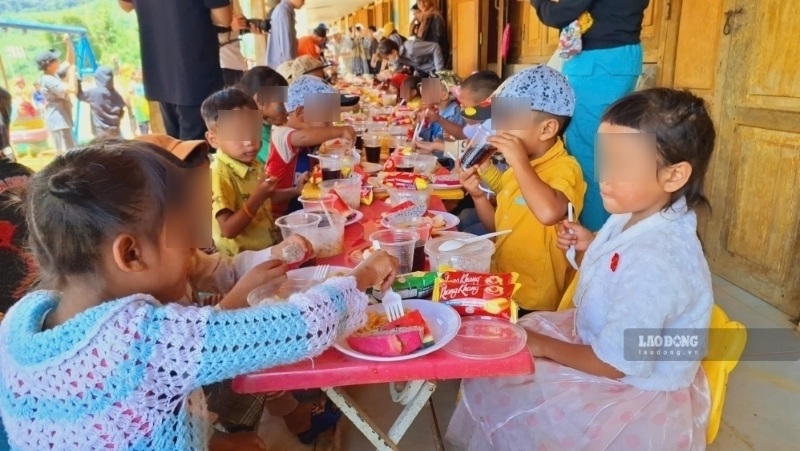
In October 2024, nearly 300 students of Nguyen Ngoc Binh Elementary School, Dai Hiep commune, Dai Loc district, former Quang Nam province, now Da Nang city, used yogurt for a snack. After that, 15 students experienced abdominal pain, vomiting, and fatigue, and had to go to medical facilities.
The health sector later determined that the incident was not a food poisoning. However, the fact that many students simultaneously developed symptoms in a short time is a clear warning about the level of sensitivity of semi-boarding meals.
Worryingly, through recent surprise inspections, the Da Nang Department of Education still discovered some "loopholes" in school kitchens. Some places do not ensure a one-way kitchen process, the processing area is unreasonably arranged; semi-boarding records and documents are incomplete; health checks for catering staff are not in accordance with regulations.
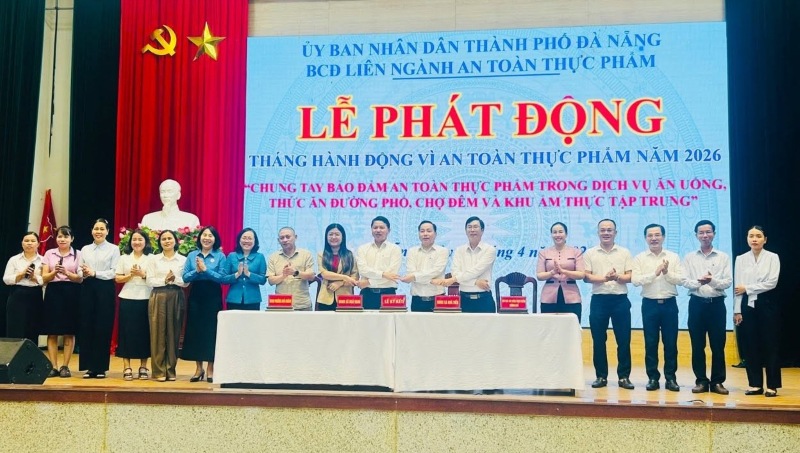
Talking to Lao Dong Newspaper, Mr. Dinh Van Tuan - Head of Da Nang City Sub-Department of Food Safety said that the kitchen must be arranged reasonably, avoiding cross-contamination between raw and cooked foods; water sources meet standards; have appropriate preservation equipment. The person directly processing must be health checked and have knowledge of food safety.
Another requirement emphasized is that schools absolutely do not sign contracts with food and meal suppliers that do not meet the conditions.
Before the new school year, the Chairman of Da Nang City People's Committee also requested not to let dirty, unknown origin, and substandard food enter schools. Principals and owners of educational institutions must be directly and comprehensively responsible if poisoning or food safety violations occur.
The Chairman of the People's Committee of the commune or ward must also be responsible if violations occur due to lax management, lack of inspection and supervision, or timely handling.


